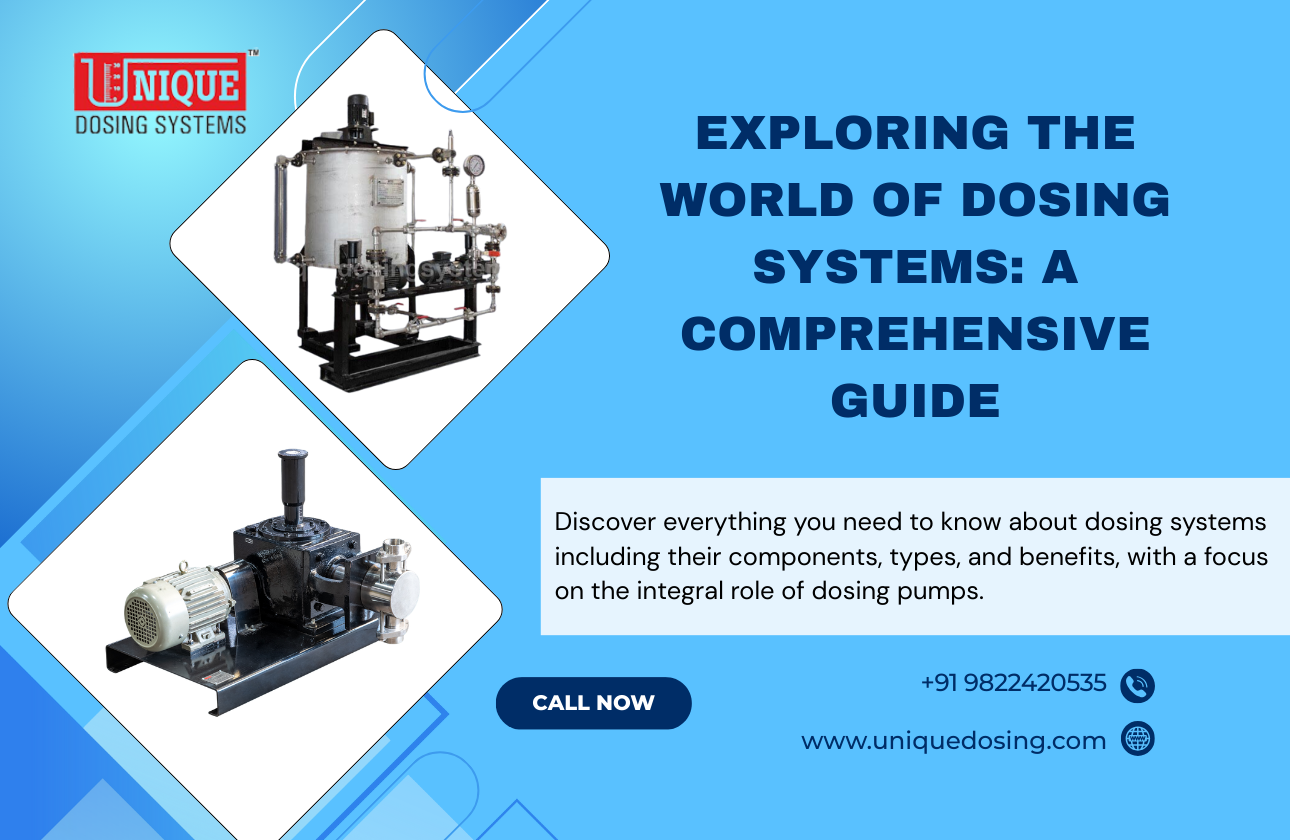
Exploring the World of Dosing Systems: A Comprehensive Guide
Dosing systems have become an indispensable component in various industrial processes, bringing precision and efficiency to sectors ranging from water treatment to food and beverage production. If you've ever wondered what makes these systems so crucial, you're in the right place.
What is a Dosing System?
A dosing system is a sophisticated setup designed to deliver precise amounts of a substance - typically a liquid or chemical - to another process or system. This capability is vital in industries where maintaining specific levels of concentration is crucial for quality control and safety.
Components of a Dosing System
Dosing systems usually consist of several key components, each serving a unique function to ensure accurate dosing:
- Dosing Pump: The heart of the system, dosing pumps are responsible for moving and controlling the volume of fluid dispensed.
- Control Panel: Provides the interface for setting parameters and monitoring system performance.
- Storage Tanks: Used to hold the material being dispensed.
- Valves and Fittings: Essential for regulating flow and ensuring the system operates within designated safety parameters.
Understanding Dosing Pumps
Dosing pump are precision instruments designed to ensure the correct volume and timing of fluid delivery. Different types of dosing pumps, such as diaphragm, peristaltic, and piston pumps, each offer unique benefits suited to specific applications. For instance, diaphragm pumps are popular for their accuracy and resistance to wear, making them perfect for chemically aggressive materials.
Applications of Dosing Systems
Dosing systems serve an array of purposes across diverse industries. Here are some common applications:
- Water Treatment: Used for adding chemicals like chlorine or flocculants to treat and purify water.
- Food and Beverage: Ensures consistent flavor and ingredient levels in products like dairy and soft drinks.
- Pharmaceuticals: Helps in accurate formulation of medications.
Advantages of Using Dosing Systems
Incorporating a dosing system into your process offers numerous benefits:
- Efficiency: Saves time and resources by automating the precise mixing of substances.
- Accuracy: Reduces human error by maintaining exact dosing pump measurements.
- Cost-Effective: Minimize waste and optimize resource usage.
- Safety: Limits manual handling of potentially dangerous substances.
Conclusion
Dosing systems, with their intricate design and technological advancements, represent an essential tool in modern industry. Whether you are dealing with simple liquid transfers or complex chemical formulations, understanding the components such as the dosing pump and their applications can significantly enhance the efficiency and safety of your operations.
By integrating a well-designed dosing system, your business can achieve meticulous control over its processes, which not only meets quality standards but also optimizes operational performance.
Published on January 2, 2026 by Admin