
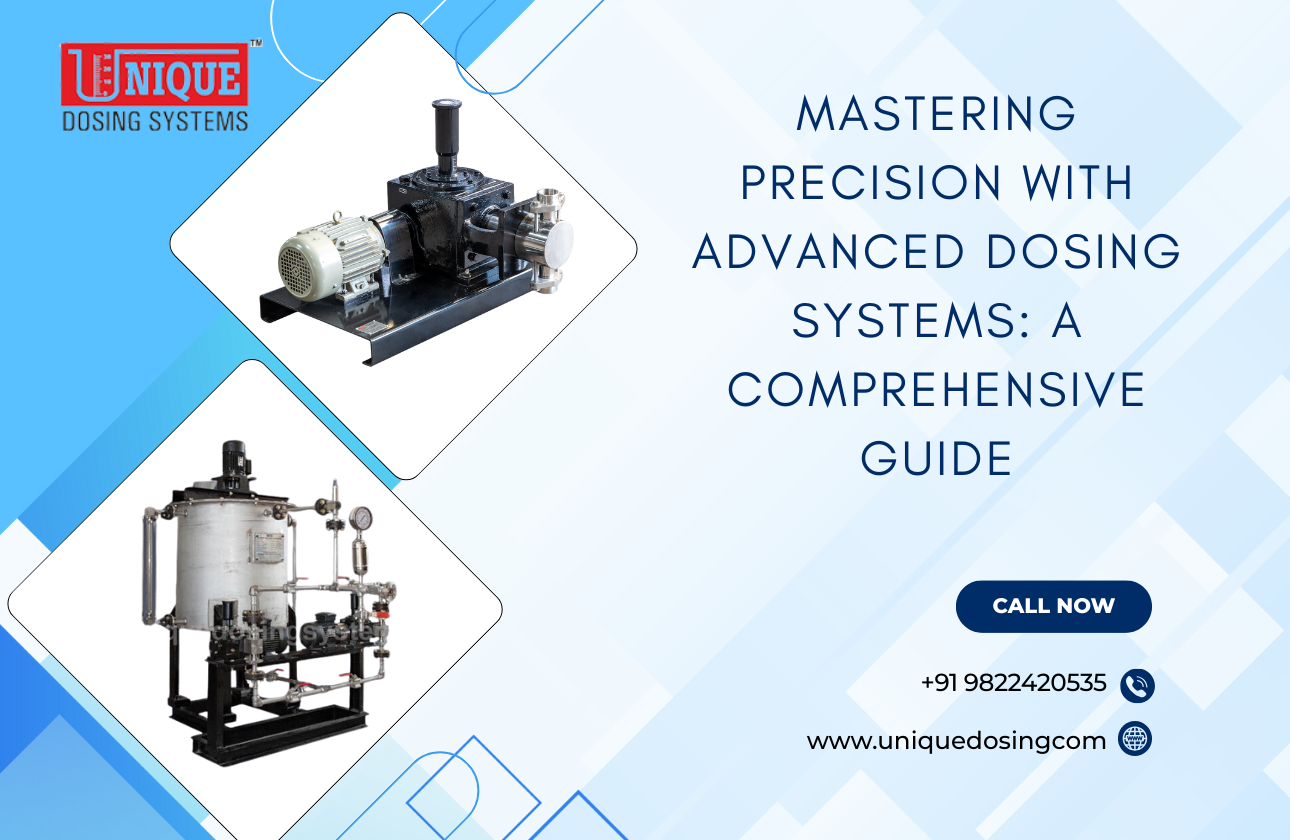
Mastering Precision with Advanced Dosing Systems: A Comprehensive Guide
In a world where accuracy and efficiency are paramount, dosing systems have emerged as critical components across diverse industries. From water treatment to pharmaceuticals, these systems ensure the precise delivery of various substances, thereby optimizing processes and maintaining quality standards. This comprehensive guide delves into the mechanics of dosing systems, with a particular focus on dosing pumps, illuminating their indispensable role in modern applications.
Understanding Dosing Systems
Dosing systems are automated setups designed to release a precise amount of a substance into a particular medium. Depending on the application, the substance could range from chemicals in wastewater treatment to nutrients in agricultural settings. These systems help ensure that exact quantities proportional to the desired outcome are dispensed, minimizing waste and maximizing efficiency.
Key Components of Dosing Systems
- Pumps: Central to the operation, dosing pumps regulate the flow and pressure of the substances being dispensed.
- Controllers: These manage the operation of dosing pumps, regulating the timing and quantity for effective dosing.
- Flow Meters: Essential for monitoring the flow rates, ensuring compliance with predefined settings.
- Tanks and Tubing: Provide storage and conveyance for the substances involved.
The Role of Dosing Pumps
Dosing pump are specialized devices employed in dosing systems to provide an accurate flow of liquids. Due to their precision, they are often used in applications requiring strict adherence to specified flows, such as in chemical processing or industrial food production. These pumps are available in various types, including diaphragm pumps, peristaltic pumps, and piston pumps, each tailored to specific needs.
Benefits of Using Dosing Pumps
Dosing pumps offer numerous advantages, including:
- Precision and Accuracy: Capable of dispensing very small volumes accurately, hence common in laboratory and industrial processes.
- Consistency: Provide a steady and predictable schedule, crucial for processes that depend on regular chemical dosing pump.
- Efficiency: Reduce wastage by ensuring that only the necessary amount of substance is used, cutting costs in the long run.
Applications of Dosing Systems
Dosing systems have found widespread application across various sectors:
- Water Treatment: For the precise dosing system of filtration chemicals, disinfectants, and other treatment agents.
- Food and Beverage: Ensure the consistency and safety of food items by exact flavoring, colorants, and preservatives dosing.
- Agriculture: Accurate administration of fertilizers and pesticides can significantly improve crop yields.
- Pharmaceuticals: For manufacturing processes where accurate dosing of raw materials and active ingredients is crucial.
Choosing the Right Dosing System
When selecting a dosing system, consider the specific requirements of your application. Key factors include:
- The viscosity and temperature of the medium being pumped.
- The required accuracy and flow rate.
- The chemical compatibility of the system's materials with the substances being used.
- Your budget and maintenance capabilities.
Conclusion
In conclusion, dosing system and dosing pumps represent precision and efficiency in various industries. Their capacity to deliver accurate volumes of substances not only enhances operational efficiency but also ensures that industries comply with stringent regulatory standards. By understanding their components and applications, businesses can better leverage these systems to enhance their operations.