
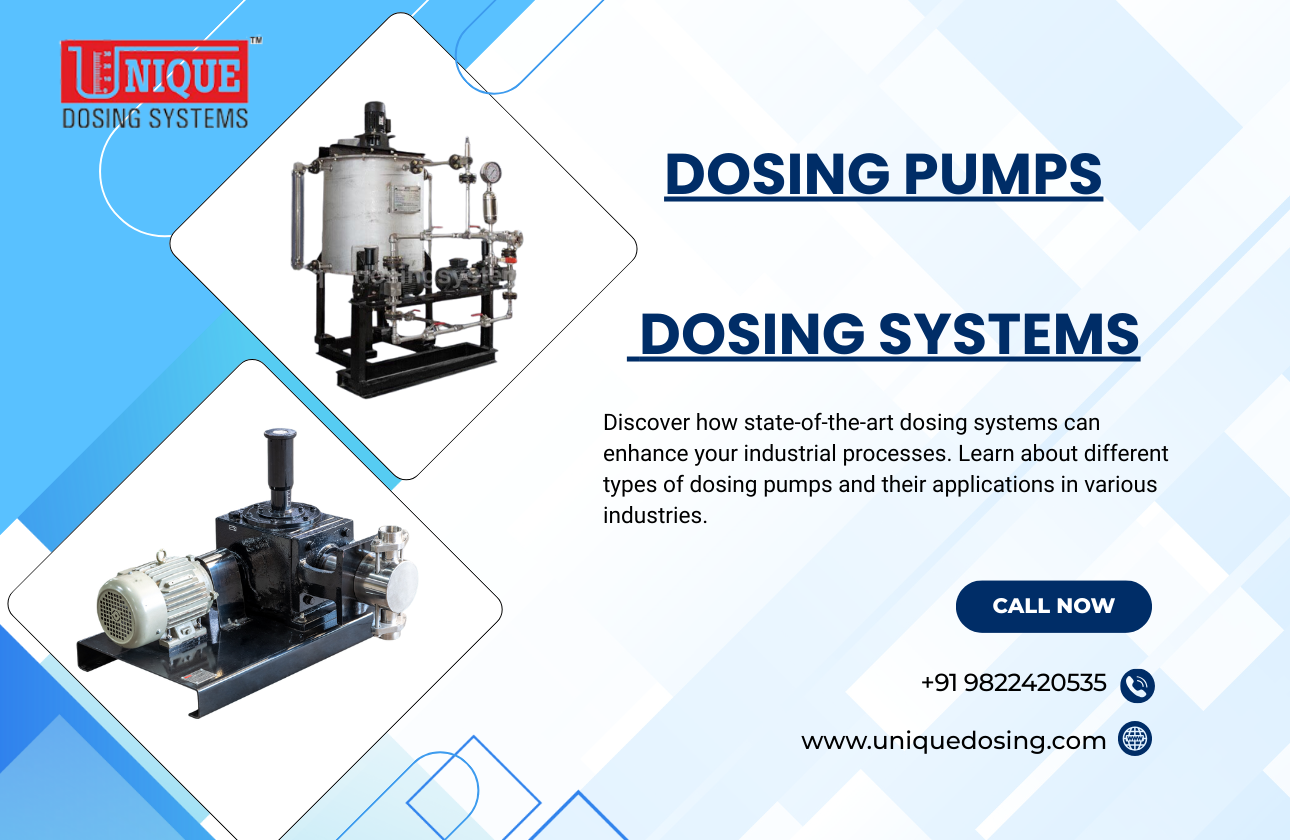
Optimizing Your Workflow with Efficient Dosing Systems
In the realm of industrial operations, precision and efficiency remain paramount. Whether it's in chemical manufacturing, water treatment, or food processing, the role of a highly functional dosing system cannot be overstated. These systems, known for their accuracy and reliability, have revolutionized the way industries handle materials.
Understanding Dosing Systems
A dosing system is engineered to add specific amounts of a substance into a process at controlled rates. Dosing systems are integral to operations where precision in mixing components is crucial. They ensure that the exact quantity of a substance is added to the process, thus maintaining quality and compliance.
The Role of Dosing Pumps
The heart of any dosing system is the dosing pump. These are designed to handle a wide range of materials from viscous fluids to corrosive chemicals. Dosing pumps are typically positive displacement pumps, which means they work by discarding a fixed amount of fluid with each stroke. This feature is critical in ensuring accuracy and consistency.
Types of Dosing Pumps
- Diaphragm Dosing Pumps: These dosing pumps are known for their ability to handle hazardous fluids with minimal exposure. They are suitable for applications requiring high-pressure outputs.
- Peristaltic Pumps: These pumps are excellent for moving viscous and slurry fluids, often used in food and beverage production due to their gentle pumping action.
- Piston Pumps: Characterized by their robust construction, piston pumps are ideal for high-pressure and high-flow applications, commonly used in chemical dosing.
Applications Across Industries
Dosing systems and pumps find applications across a multitude of industries:
- Chemical Manufacturing: Precise chemical dosing ensures reaction stability and enhances product quality.
- Water Treatment: Dosing systems treat water by adding specific reagents, managing pH levels, and controlling pollution.
- Food and Beverage: Ensures a consistent blending process, crucial for maintaining flavor profiles and quality.
Key Benefits of Modern Dosing Systems
Adopting modern dosing systems presents numerous advantages:
- Cost Efficiency: Reduces waste and overconsumption of materials, leading to cost savings.
- Enhanced Safety: Limits exposure to hazardous substances, ensuring operator safety.
- Environmental Compliance: Accurate dosing minimizes environmental impact through controlled releases.
Choosing the Right System
Selecting the appropriate dosing system involves evaluating several factors: the nature of the materials, the required precision, the industry standards, and the specific application needs. Consultation with manufacturers and industry experts can aid in making informed decisions, ensuring optimal integration into your processes.
Conclusion
Integrating cutting-edge dosing systems and pumps into your operations not only enhances productivity but ensures process accuracy and safety. As technology progresses, these systems will continue to adapt, providing innovative solutions to meet the rising demands of modern industries.