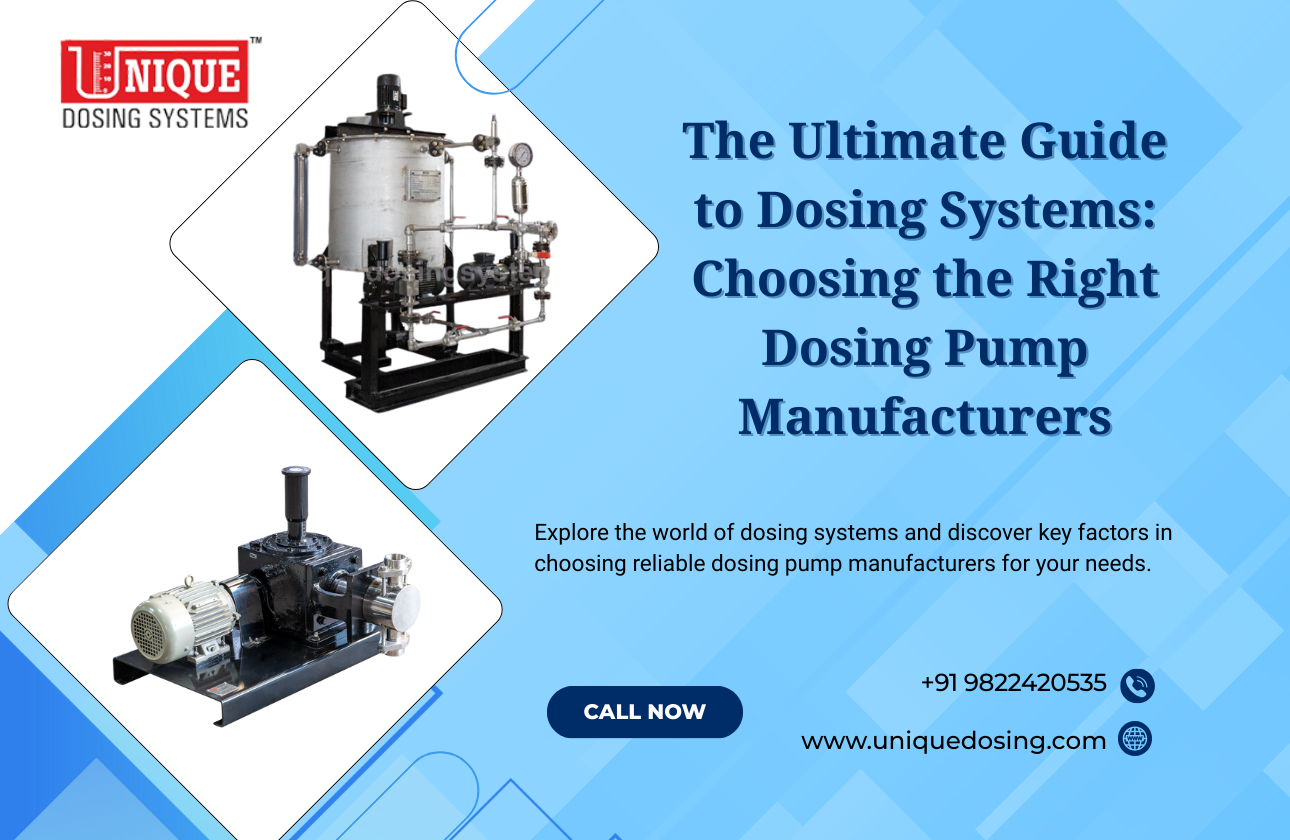
The Ultimate Guide to Dosing Systems
Dosing systems have become an essential component in a myriad of industries, from pharmaceuticals to water treatment, owing to their precision in delivering exact quantities of chemicals or substances. In this guide, we delve into what a dosing system is, understand its vital components, and offer insights into selecting the perfect dosing pump manufacturers for your specific requirements.
What is a Dosing System?
A dosing system is a mechanical setup that ensures the accurate delivery of a specific volume of fluid or substance. This can vary from simple liquid additives in manufacturing to complex chemical injections. Key to its operation is the dosing pump, which determines the rate and quantity of material dispensed.
Key Components of a Dosing System
- Dosing Pump: This is the heart of the dosing system, focusing on precision, pressure, and volume control.
- Control Units: These regulate the operation and feedback mechanisms, ensuring consistency and safety.
- Measurement Devices: Sensors and meters that monitor flow and concentration, making adjustments as necessary.
- Valves and Piping: Directs the chemical to the right place, usually integrated to withstand the corrosiveness of certain chemicals.
Understanding the Types of Dosing Pumps
Dosing pumps are integral to dosing systems, and selecting the right type is crucial for efficiency and accuracy. Common types include:
- Diaphragm Pumps: Ideal for their accuracy and capability to handle aggressive chemicals without leakage.
- Piston Pumps: Known for their capability to produce a high pressure flow, suitable for viscous substances.
- Peristaltic Pumps: These pumps are perfect for liquids sensitive to cross-contamination as the media doesn't touch the moving parts.
Choosing the Right Dosing Pump Manufacturers
Finding the right dosing pump manufacturers is paramount for optimal performance and longevity of the dosing system. Here are critical factors to consider:
- Reputation and Reliability: Research the manufacturer's history and reviews. Long-standing companies with proven track records are preferred.
- Technological Innovation: Manufacturers that invest in research and development often produce more efficient and modern solutions.
- Custom Solutions: Consider manufacturers offering tailored solutions to adapt to specific industrial needs.
- After-Sales Support: Robust customer service and availability of spare parts can prevent costly downtimes.
Conclusion
Incorporating an effective dosing system is pivotal for many industrial and commercial applications. With the insights outlined in this guide, you can confidently select a dosing pump manufacturer that offers reliability, precision, and the necessary technological advancements to meet your specific needs. Remember, the right choice not only maximizes efficiency but also safeguards long-term operational stability.
Published on December 9, 2025 by Admin