
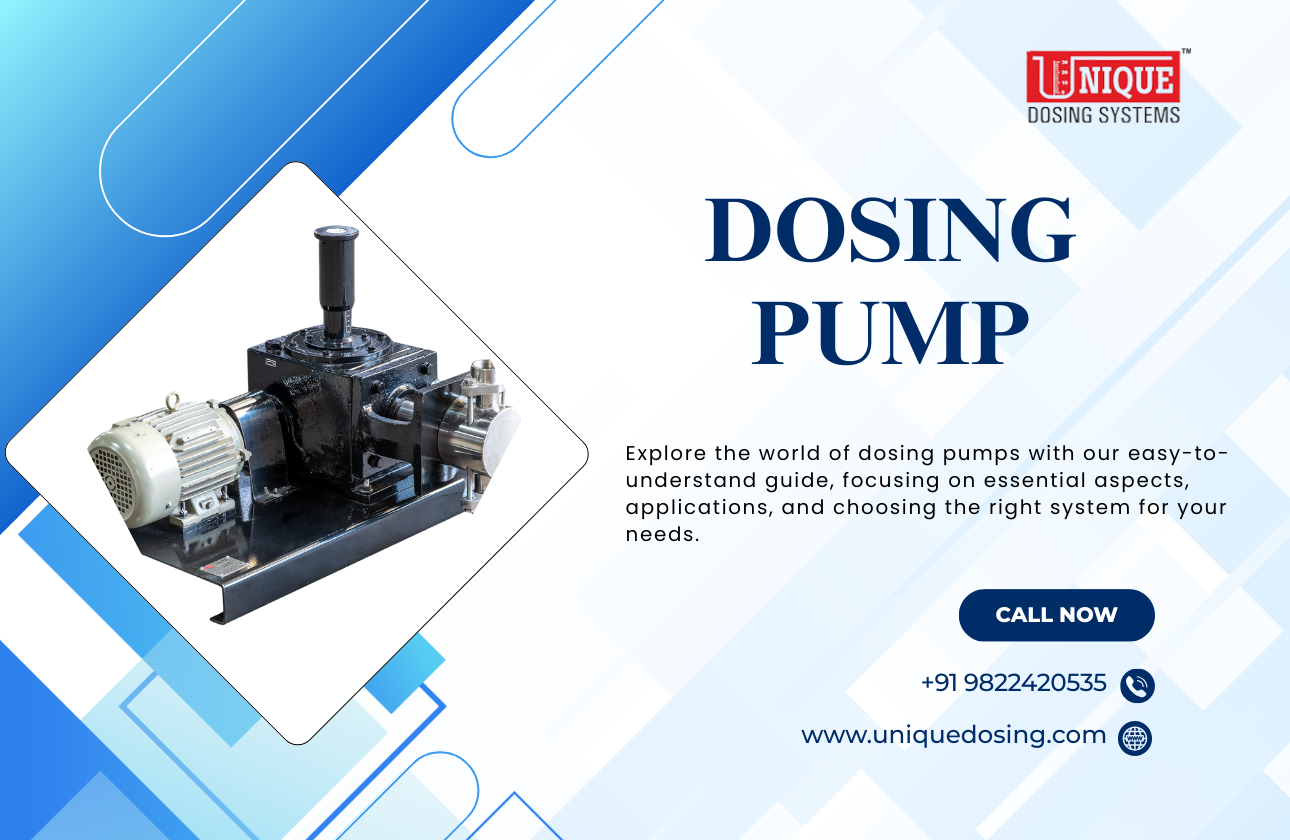
What is a Dosing Pump?
A dosing pump is a device used to deliver precise amounts of fluids. These can be chemicals, medications, or other solutions. The main job of these pumps is to ensure that the right amount gets dispensed reliably and accurately at the right time. They are pivotal in various applications, ranging from industrial processes to water treatment and even aquarium maintenance. The appeal of dosing pumps lies in their ability to function autonomously with minimal human intervention, ensuring efficiency and uniformity in operations. Understanding how they work helps in maintaining precise control over fluid distribution.
How Do Dosing Pumps Work?
Dosing pumps operate by drawing a fixed amount of fluid from a reservoir and delivering it to a destination. This is typically done through a series of simple mechanisms, like pistons, diaphragms, or gears. The pump's calibration is essential, as it determines the volume of liquid dispensed with each cycle. Many dosing pumps are adjustable, allowing users to control the flow rate and volume. This flexibility makes them highly adaptable for various tasks, ensuring that every drop counts toward maintaining the desired level of concentration or condition in a given setting.
Common Uses of Dosing Pumps
Dosing pumps find applications in numerous industries, underscoring their versatility. In water treatment facilities, they add chlorine or other purifying chemicals to ensure safe drinking water. They also play a critical role in pharmaceuticals, where precise dosage is crucial. Additionally, industries like food and beverage leverage these pumps to blend ingredients consistently. Even in home aquariums, dosing pumps help maintain water quality by adding nutrients or medications. The consistent application they offer means reduced human error and improved outcomes in any field they are used.
Choosing the Right Dosing Pump
Picking the right dosing pump can significantly impact your processes' efficiency and effectiveness. You'll need to consider factors such as the fluid type, the environment where the pump will be used, and the precision level required. Some pumps are designed to handle corrosive or viscous fluids, while others are better suited to lighter, more standard liquids. Assessing the flow rate and pressure compatibility also ensures that the pump you choose can handle your specific needs. Finding a balance between performance and budget will guide you to the right choice for your particular application.
Benefits of Using Dosing Pumps
There are several advantages to employing dosing pumps in various scenarios. They minimize waste by ensuring only the necessary amount of fluid is used. This precision also helps in achieving consistent results, whether in industrial manufacturing or aquarium maintenance. Furthermore, automation reduces the need for constant human oversight, which can significantly save time and reduce labor costs. Dosing pumps can also be programmed to operate around the clock, ensuring no disruption to critical processes. Their versatility and reliability make them a worthwhile investment across different sectors.
Maintenance and Troubleshooting
While dosing pumps are designed to run efficiently with minimal intervention, regular maintenance is key to their longevity and performance. It's important to regularly check for clogs, wear on seals, and any other mechanical issues. Calibration checks ensure the pump continues to dispense the correct volume of liquid. Troubleshooting common issues, like fluctuations in flow rate or unexpected shut-offs, often involves assessing the condition of the components involved. Routine maintenance helps in identifying problems before they disrupt processes or lead to costly repairs.
Frequently Asked Questions
1. How accurate are dosing pumps?
Answer: Dosing pumps are designed for high precision, often able to deliver doses within a 1% accuracy range. This precision helps maintain consistency and reliability in applications where exact dosing is critical.
2. Can dosing pumps handle corrosive substances?
Answer: Yes, many dosing pump are specifically built to handle corrosive or abrasive fluids. Materials like stainless steel and certain plastics are commonly used to resist chemical wear.
3. How do I calibrate a dosing pump?
Answer: Calibration involves adjusting the pump to ensure it delivers the correct amount per cycle. This usually requires filling the pump with a known volume of liquid and adjusting the settings until accurate delivery is achieved.
4. Are dosing pumps noisy?
Answer: Most modern dosing pumps are designed to minimize noise. However, the noise level can vary depending on the model and installation environment. Typically, they operate quietly enough for home and industrial settings.
5. What is the usual lifespan of a dosing pump?
Answer: With regular maintenance, dosing pumps can last many years. The lifespan depends on usage frequency, fluid type, and overall care, but they are generally built for long-term reliability.