
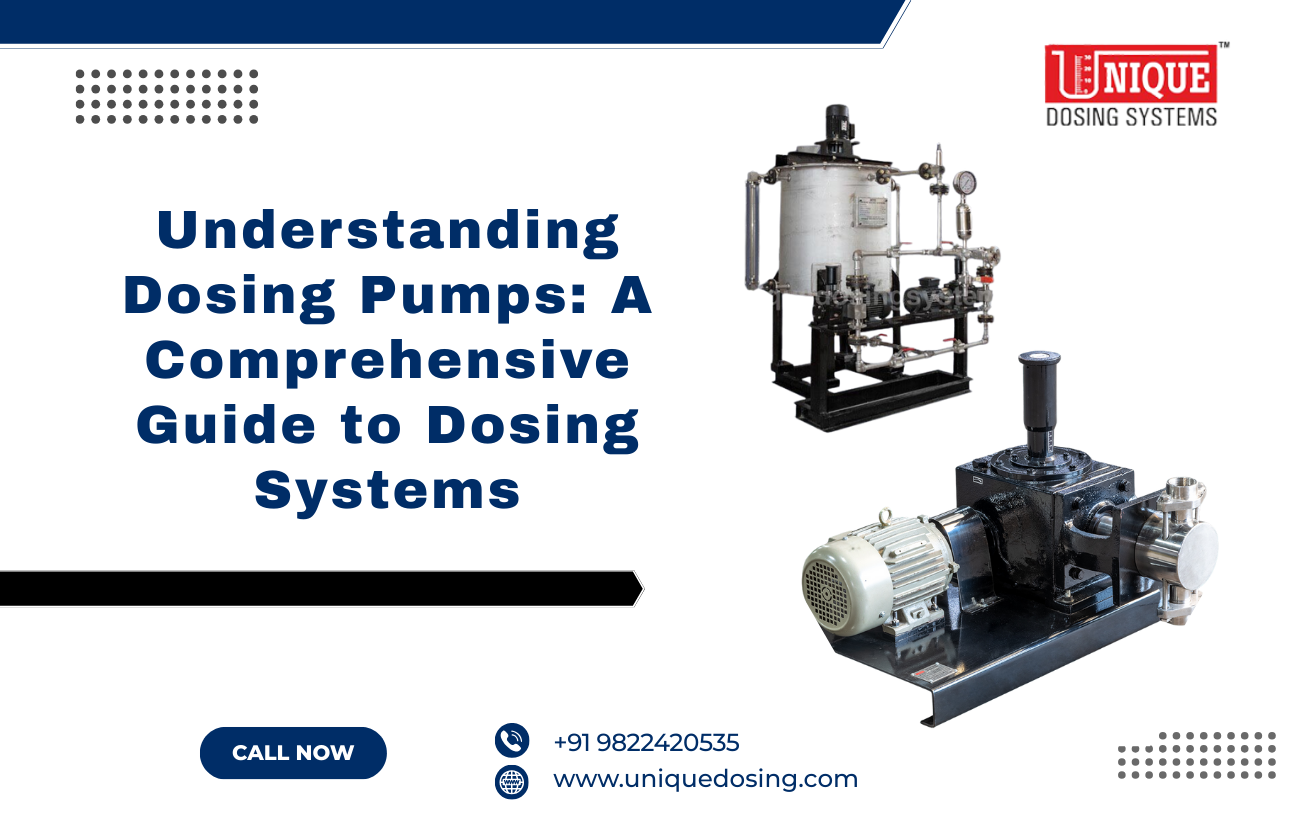
Understanding Dosing Pumps: A Comprehensive Guide to Dosing Systems
Dosing pumps are essential components in a myriad of industries, from water treatment and agriculture to pharmaceuticals and food production. These precise and efficient mechanisms are critical for controlling the flow and measurement of chemicals into systems, ensuring both safety and efficiency. In this guide, we delve into the world of dosing pumps and dosing systems, exploring their applications, functionality, and the benefits they offer.
What is a Dosing Pump?
A dosing pumps, a type of positive displacement pump, is designed to inject a precise amount of liquid into a process stream. Often also known as a metering pump, it is capable of handling a variety of fluids, including chemicals, additives, and other important substances crucial for numerous industrial processes.
Key Features of Dosing Pumps
- High accuracy in delivering specific quantities of fluids.
- Adjustable flow rates to cater to different process needs.
- Compatibility with a range of corrosive and non-corrosive chemicals.
Applications of Dosing Systems
Dosing systems, which comprise dosing pump, are utilized across various sectors:
- Water Treatment: Dosing systems are integral in adding reagents such as chlorine, acids, or phosphates to treat water effectively.
- Agriculture: Precision in fertilizer and pesticide distribution can significantly improve crop yield and quality.
- Pharmaceuticals: Ensuring the carefully measured blending of chemical compounds is crucial in pharmaceuticals.
- Food and Beverage: In this industry, dosing pumps regulate the addition of flavors, colorants, and preservatives.
Benefits of Using Dosing Pumps
The use of dosing pump in various systems brings a multitude of benefits:
- Precision: Accurate dosing guarantees minimal waste and optimal process efficiency.
- Safety: Designed to handle hazardous and sensitive substances, they reduce the risk of spills and exposure.
- Reliability: Modern dosing pumps are robust and built for long-term usage with minimal maintenance.
Key Considerations When Choosing a Dosing System
When selecting a dosing system, it is important to consider the following factors:
- Type of Fluid: Ensure the pump materials are compatible with the type of fluid being handled.
- Flow Rate: The required flow rate range will dictate the pump size and type.
- System Pressure: Consider the operating pressure of the system to which the pump will be fitted.
Conclusion
Dosing system play an invaluable role in various industries by enhancing precision, efficiency, and safety. Understanding their functionalities and benefits is crucial for selecting the right dosing system that meets your specific needs. Whether you work in water treatment, pharmaceuticals, agriculture, or any sector that requires fluid measurement and control, investing in the right dosing technology can significantly optimize your processes.