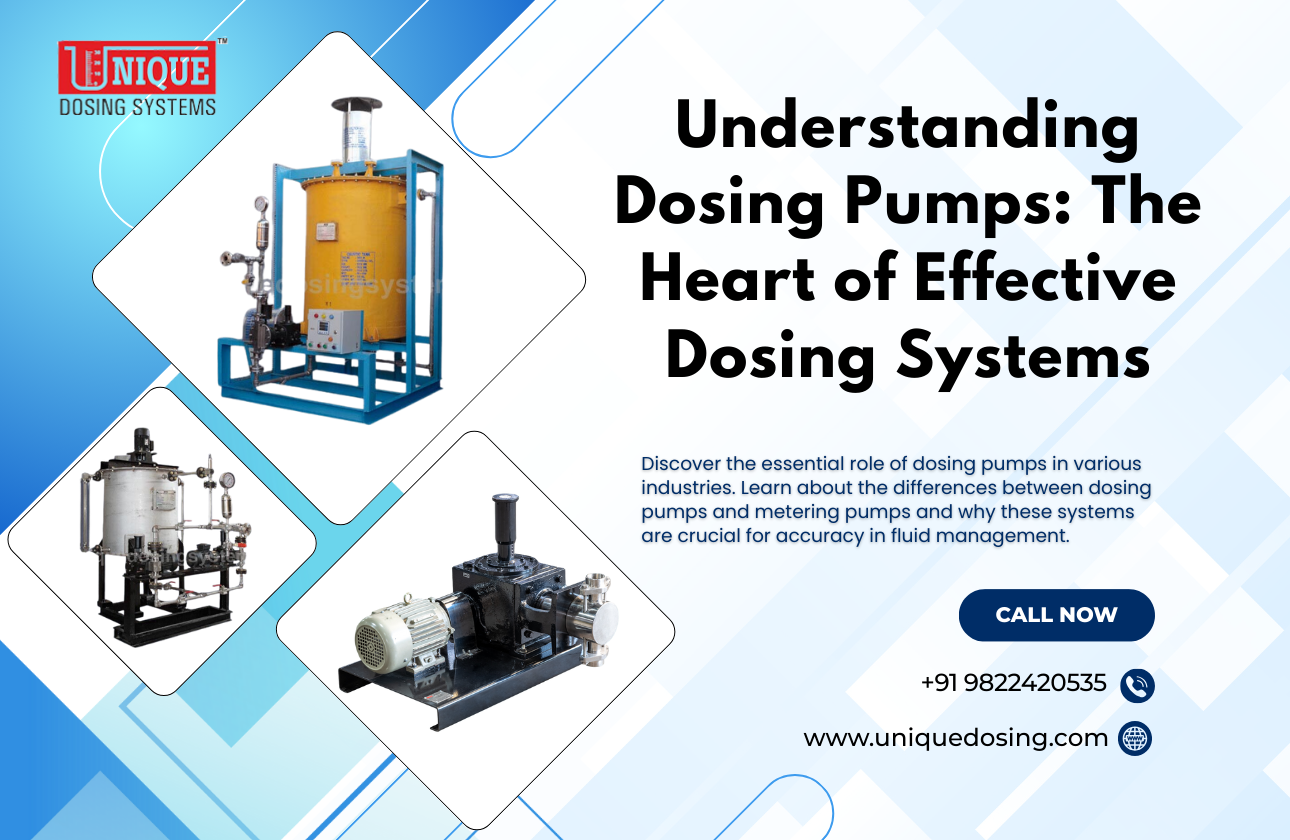
Understanding Dosing Pumps: The Heart of Effective Dosing Systems
Dosing pump, also known as metering pumps, are indispensable components in many industrial processes, from water treatment to chemical manufacturing. Their precision in controlling the flow rate makes them ideal for applications requiring accurate dosing and distribution of fluids. Let's delve into what makes dosing pumps the backbone of versatile and effective dosing systems.
What Are Dosing Pumps?
Dosing pumps are specialized equipment designed to deliver exact volumes of liquid, ensuring meticulous control over flow. They're extensively used in processes where precision is key, like in pharmaceuticals, food production, and water treatment facilities. Despite their often interchangeable use with metering pumps, dosing pumps have some distinct features and applications.
Dosing Pump vs. Metering Pump: Understanding the Difference
The terms 'dosing pump' and 'metering pump' are frequently used interchangeably, but they refer to slightly different functions within fluid management systems. A metering pump is a type of dosing pump meant specifically for precision dosing applications. Hence, all metering pumps are dosing pumps, but not all dosing pumps are metering pumps. The primary distinguishing factor is the level of precision and control in fluid dispensing that metering pumps offer.
Why Are Dosing Systems Important?
Dosing systems are critical in ensuring safety, efficiency, and consistency in industrial operations. Typical dosing systems include the pump, a solution reservoir, injection valves, and an actuator controlling the dosing schedule and amount. Their comprehensive design ensures accuracy in fluid handling while minimizing human error and fluctuation in processes.
These systems are vital for maintaining product quality, meeting regulatory standards, and ensuring operational safety. For instance, in water treatment plants, dosing pumps inject the right amount of chemical additives to purify water without overuse, conserving resources and avoiding potential environmental harm.
Choosing the Right Dosing Pump for Your Needs
Selecting the correct dosing pump involves understanding the specific needs of your application. Consider factors like the nature of the fluid being pumped, required flow rate, and pressure conditions. Additionally, the chemical compatibility, viscosity of the fluid, and environmental conditions such as temperature and humidity, play crucial roles in the selection process.
While diaphragm pumps are commonly used in general purposes due to their durability and reliability, piston pumps might be more suitable for high-pressure applications requiring precise metering pump .Centrifugal pumps, though less precise, are excellent for handling large volumes of low-viscosity fluids.
Integrating Dosing Systems into Modern Automation
Incorporating dosing systems into automated processes enhances efficiency and reliability. Many modern dosing systems are equipped with smart technology, offering real-time monitoring and control that can adapt to changing process requirements.
Automation in dosing systems ensures seamless integration into larger process controls, reduces downtime, and increases operational efficiency. Utilizing IoT and AI in dosing pumps can provide predictive maintenance alerts, optimize flow rates dynamically, and improve overall system efficiency without manual intervention.
Conclusion
In conclusion, dosing pumps are pivotal in facilitating precise dosing, ensuring safety, and maintaining consistent quality across various industrial domains. Whether distinguished as metering pump for their precision or used as comprehensive dosing systems, their role is undeniably crucial in modern industrial applications. By choosing the appropriate pump type and integrating them within automated systems, industries can significantly enhance their operational effectiveness and efficiency.
If you're considering using or upgrading dosing systems in your processes, consult with industry experts to tailor solutions that align best with your specific needs and applications, ensuring a path towards optimal operational performance.
Published on January 3, 2026 by Admin