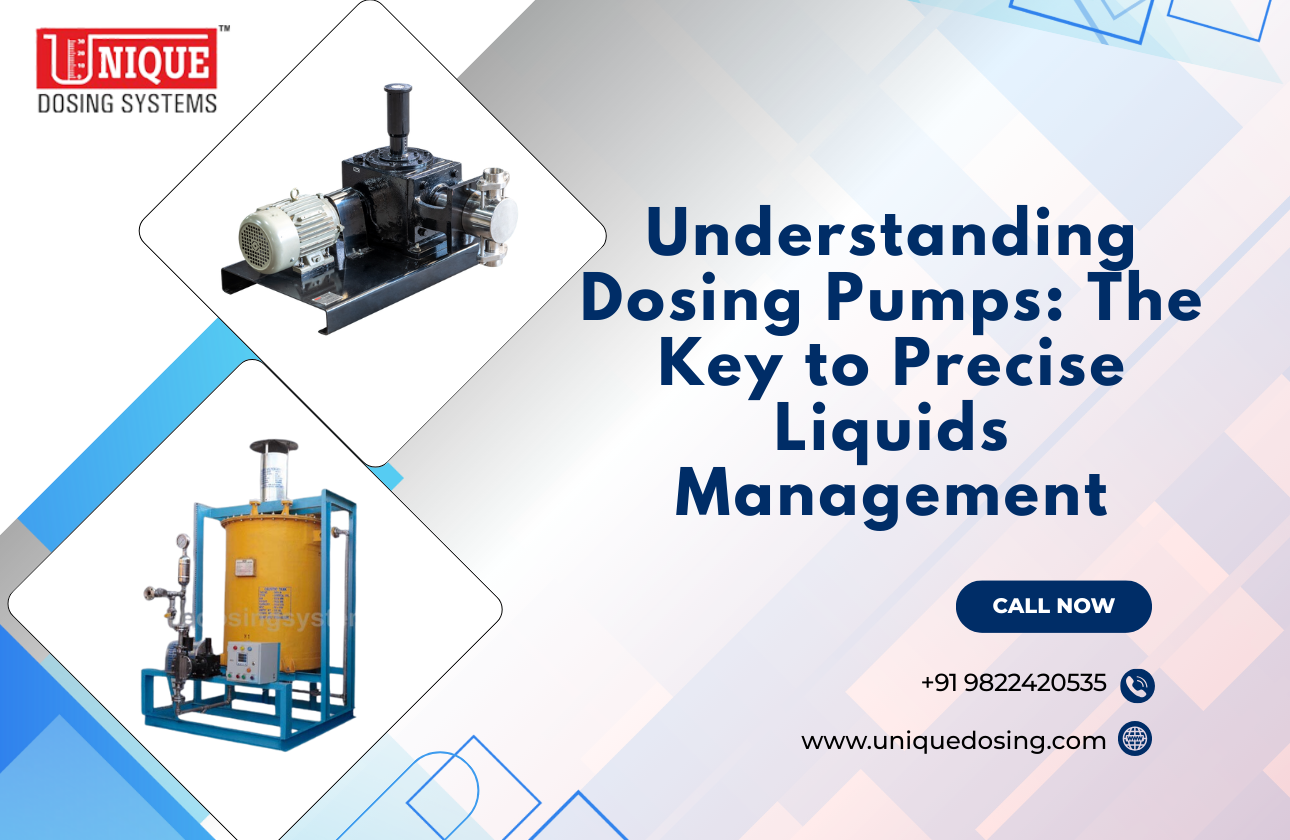
Understanding Dosing Pumps: The Key to Precise Liquids Management
Dosing pumps, also known as metering pump, are essential components in various industrial and commercial applications. These pumps are designed to deliver precise amounts of liquid, ensuring accurate chemical or fluid management across multiple sectors, including water treatment, agriculture, and chemical processing.
What is a Dosing Pump?
A dosing pump is a specialized pump used to inject chemicals or other substances into a flow of water, gas, or steam. The primary function of these pumps is to deliver precise, variable flow rates of liquid to ensure the performance and efficiency of processes within industries.
Applications of Dosing Pumps
Dosing pumps are versatile tools found in a wide array of applications, such as:
- Water Treatment: Used for pH balancing, chlorination, and fluoridation.
- Agriculture: Assists in irrigation systems by adding fertilizers or nutrients.
- Chemical Manufacturing: Ensures precise chemical dosing required in various production processes.
- Food and Beverage: Maintains quality by delivering precise amounts of flavorings, colorants, or preservatives.
Types of Dosing Pumps
Choosing the right dosing pump depends largely on your specific needs. Below are some common types of dosing pumps:
- Diaphragm Pumps: Highly precise and typically used for handling chemicals, these pumps employ a flexible diaphragm to move fluids with accuracy.
- Peristaltic Pumps: Ideal for fluids that must not come into contact with any metering pump components, they work by squeezing a tube containing the fluid.
- Piston Pumps: Known for their durability and efficiency, these pumps are used in high-pressure situations.
Benefits of Using Dosing Pumps
Dosing pumps offer several advantages:
- Precision: Ensures accurate dispensing of fluids, crucial for maintaining process integrity.
- Automation: Many modern systems allow for automated dosing, reducing the need for manual intervention and potential human error.
- Versatility: Compatible with a wide range of fluids, from viscous liquids to diluted chemicals.
- Efficiency: Helps optimize chemical use, reducing waste and operational costs.
Choosing the Right Dosing Pump
Selecting the correct dosing pumps involves understanding your application's specific requirements:
- Flow Rate: Determine the precise flow rate needed for your application to ensure optimal dosing.
- Chemical Compatibility: Ensure the pump materials are compatible with the chemicals being used to prevent damage and prolong pump life.
- Pressure Needs: Consider the pressure requirements to ensure the pump operates efficiently under the given conditions.
Conclusion
Understanding the capabilities and applications of dosing pumps is crucial for any industry relying on precise liquid management. Whether you're in the business of treating water or producing food and beverages, the right dosing pumps can significantly enhance your operation's efficiency and reliability, ensuring that every drop counts.
Published on January 1, 2026 by Admin