
Introduction to Dosing Systems
Dosing systems are essential tools in both industrial and commercial settings that help ensure precise fluid handling and management. These systems accurately measure and dispense liquid substances into a larger system or process. Whether in chemical processing, water treatment, or food production, dosing systems play a pivotal role in maintaining efficiency and accuracy. They are designed to handle a wide range of fluids, including corrosive, viscous, or hazardous materials, providing a versatile solution for various industries.
The Importance of Dosing Systems
The significance of dosing systems lies in their ability to deliver consistent and precise amounts of substances, preventing waste and errors in processing. These systems contribute profoundly to cost-saving and quality assurance. They also help in achieving compliance with industry regulations, particularly in sectors requiring stringent control measures, such as pharmaceuticals or chemical manufacturing. By utilizing dosing systems, businesses can enhance their operational efficiency, reduce manual labor, and maintain the integrity of their products.
Applications of Dosing Systems
Dosing systems find applications across numerous industries, each with distinct requirements and challenges. In water treatment plants, they help in adding the right amount of chemicals for purification processes. In agriculture, dosing systems are used for accurately distributing fertilizers and pesticides. Similarly, in the food and beverage industry, they ensure the correct addition of flavors or preservatives. The versatility of dosing systems allows them to be an integral part of any operation that requires precise and controlled addition of substances.
Key Components of Dosing Systems
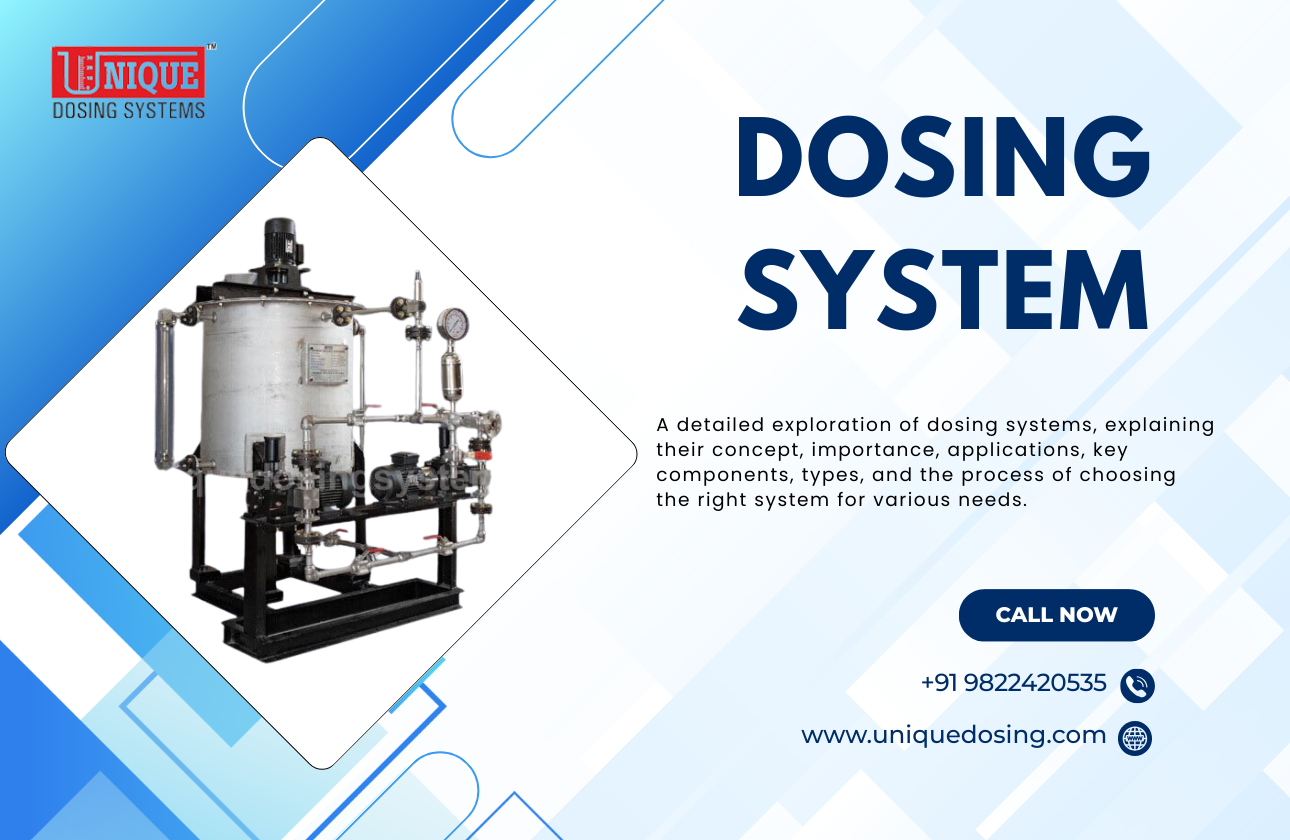
A typical dosing system comprises several key components, including a dosing pump, control unit, storage tank, and sensors. The dosing pump is responsible for moving the fluid from the tank to the main system. The control unit regulates the amount and timing of the dosage, ensuring accuracy. Storage tanks hold the fluid until it is needed, while sensors monitor levels and detect inconsistencies. These components work harmoniously to deliver an efficient and effective dosing process, safeguarding the overall system from potential mishaps.
Types of Dosing Systems
Dosing systems are available in various types to suit specific needs. The most common include volumetric dosing systems, which deliver a fixed volume of product, and gravimetric systems, which dose by weight. Other types include peristaltic pumps for gentle, low-shear applications and diaphragm pumps for more robust handling. Understanding the differences between these types is crucial when selecting a system, as each offers unique benefits and is best suited for particular applications.
Choosing the Right Dosing System
Choosing the correct dosing system requires consideration of several factors, such as the type of fluid being handled, the required accuracy, and the specific industry regulations. It's important to evaluate the compatibility of the system components with the fluid to prevent damage or inefficiency. Additionally, reliability, maintenance needs, and cost-effectiveness are vital aspects in the decision-making process. Partnering with trusted manufacturers who provide quality products and support is essential. You can explore more about dosing systems in articles like Understanding Dosing Systems.
Frequently Asked Questions
1. What is a dosing system?
Answer: A dosing system is a device or set of devices designed to measure and deliver precise amounts of a fluid into a process. They are commonly used in industries that require accurate and controlled fluid addition, like pharmaceuticals or food production.
2. Why are dosing systems important?
Answer: Dosing systems are crucial because they enhance precision and efficiency, reduce waste, and ensure compliance with industry standards. They help maintain product quality by preventing under or over-dosage.
3. What industries use dosing systems?
Answer: Dosing systems are used in a range of industries, including water treatment, agriculture, food and beverage, chemical manufacturing, and pharmaceuticals.
4. How do I choose the right dosing system?
Answer: To choose the right dosing system, consider the type of fluid, required accuracy, system compatibility, and industry regulations. Consulting with manufacturers for your specific needs can also guide your selection.
5. What types of dosing systems are there?
Answer: Common types of dosing systems include volumetric and gravimetric dosing systems, peristaltic pumps, and diaphragm pumps, each suitable for different applications and requirements.