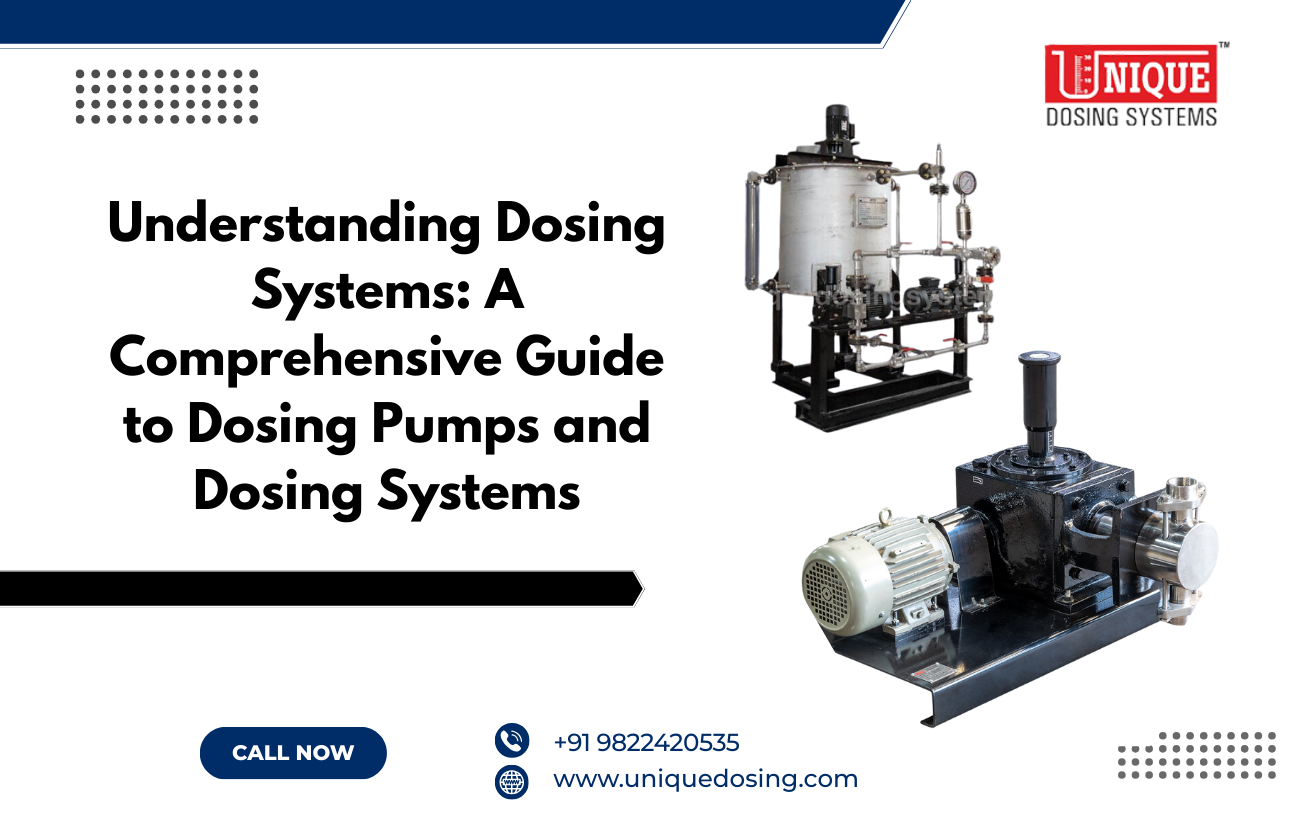
Understanding Dosing Systems: A Comprehensive Guide to Dosing Pumps and Dosing Systems
In today's industrial landscape, precision and efficiency are paramount. Among the essential components that ensure these attributes are met are dosing systems. These systems are critical in industries ranging from water treatment to pharmaceuticals. But what exactly are dosing systems and dosing pumps, and how do they function? Let’s delve into the intricacies of these systems and their significant applications.
What are Dosing Systems?
Dosing systems are automated systems designed to dispense specific quantities of chemicals or substances into a process or mixture. Used widely across various industries, these systems are integral to processes where the precise measurement of ingredients is necessary for achieving the desired outcome.
The Role of Dosing Pumps
At the heart of any dosing system is the dosing pump. Dosing pumps are specialized pumps designed to inject a precise flow rate of a substance into a system. They are extremely accurate, capable of handling minute quantities with exceptional precision, making them indispensable for processes where exact proportions are critical.
Applications of Dosing Systems
Dosing systems have a wide range of applications:
- Water Treatment: Dosing pumps are used to add chlorine, phosphates, or other chemicals to water systems to maintain water safety and quality.
- Pharmaceuticals: Precision in medication dispensing is essential, and dosing system ensure that exact dosages are adhered to, leading to safer and more effective medications.
- Food and Beverage: Consistency and balance in flavorings and preservatives are achieved through dosing systems, ensuring product quality and safety.
- Oil and Gas: Chemical injection systems in this industry rely heavily on dosing systems to inhibit corrosion or control production processes.
Advantages of Using Dosing Systems
The adoption of dosing systems offers several benefits:
- Accuracy: Ensures the precise mixture and ingredient proportions, leading to consistent and reliable output.
- Efficiency: Automating the dosing process reduces manual intervention, saving time and effort while minimizing human error.
- Cost-Effectiveness: By optimizing the use of materials and reducing wastage, dosing systems aid in cost savings.
- Environmental Impact: Precision dosing can reduce the environmental footprint by minimizing overuse of chemicals.
Choosing the Right Dosing System
Selecting the appropriate dosing system depends on several factors, including the substances being handled, the required accuracy, and the specific industry regulations. Consulting with experts and evaluating the system's compatibility with your operational needs can ensure that you select the optimal dosing system for your processes.
Conclusion
In conclusion, dosing systems and dosing pumps are vital for industries that require accuracy, consistency, and efficiency. By understanding their functionalities and applications, businesses can harness their capabilities to enhance their operations, ensure safety, and maintain product quality.
Published on January 2, 2026 by Admin