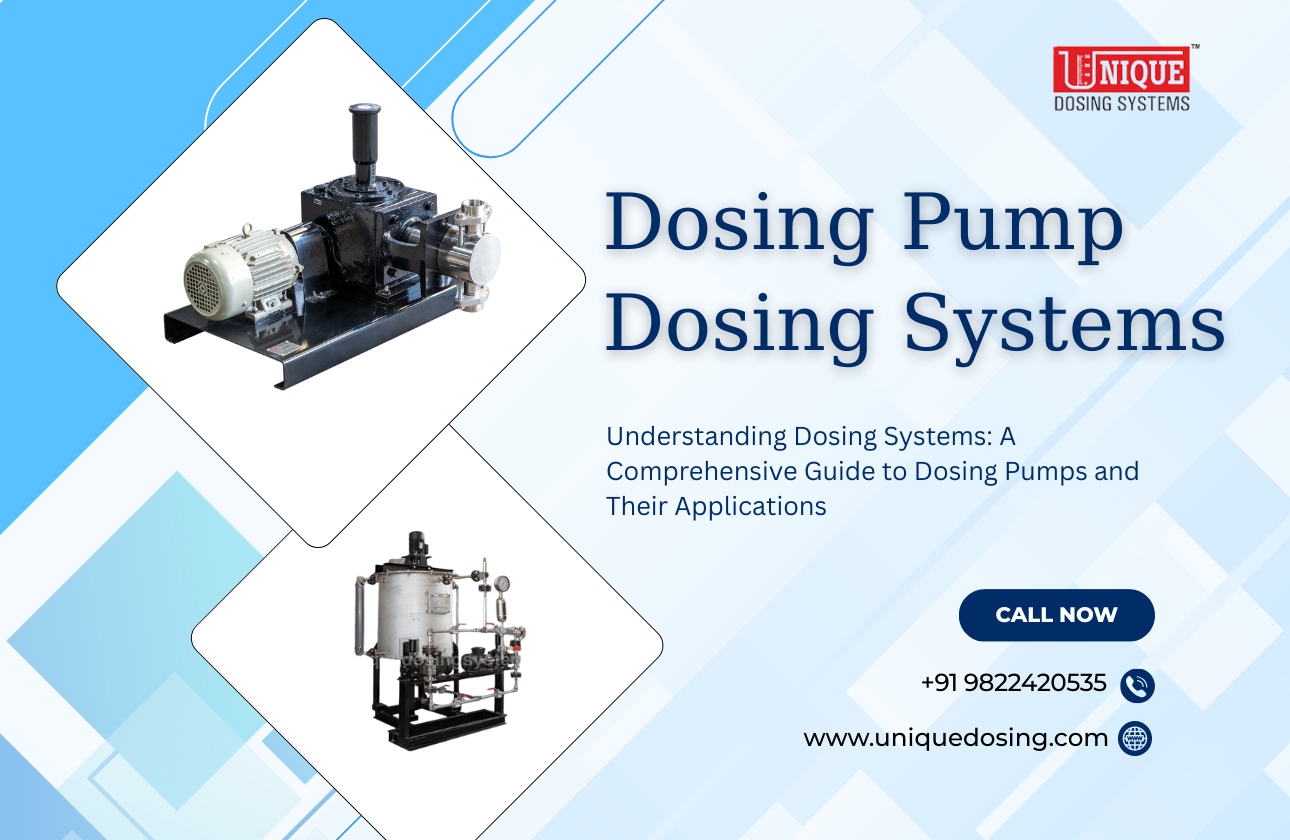
In a world where precision is paramount, dosing systems have become crucial components across various industries. Whether in chemical manufacturing, water treatment, or pharmaceuticals, the ability to dispense accurate amounts of fluid safely and efficiently can drastically impact productivity and product quality. This article delves into the intricacies of dosing systems, highlighting the pivotal role of dosing pumps.
What Are Dosing Systems?
Dosing systems are setups designed to dispense specific volumes of chemicals or other fluids into a production process or environment. The primary goal is to ensure that a predetermined amount of a substance is released at the right time, in the right place, and under the right conditions. These systems are integral in maintaining product consistency, improving safety, and optimizing resource usage.
The Role of Dosing Pumps
At the heart of any dosing system is the dosing pump. A dosing pump is a small, purpose-designed pump of compact size. It is engineered to accurately control the flow of the liquid being pumped, adjusting delivery rates to meet precise needs. These pumps are essential in preventing wastage and ensuring optimal performance of industrial processes.
Key Features of a Dosing Pump
- Accuracy: Dosing pumps provide high precision, ensuring that the required amount of chemical is injected without error.
- Adjustability: They allow for easy adjustment of flow rates, enabling customization to suit specific project requirements.
- Versatility: These pumps can handle a broad range of fluids, from corrosive chemicals to viscous solutions, thanks to their robust design.
- Durability: Built from high-quality materials, dosing pumps are designed to withstand harsh conditions over extended periods.
Applications of Dosing Systems
Dosing systems, and by extension, dosing pumps, are employed across diverse sectors. Here are some noteworthy applications:
- Water Treatment: In water treatment facilities, dosing systems are indispensable for ensuring that disinfectants and purifying agents are introduced appropriately, guaranteeing safe water distribution.
- Food and Beverage Industry: Precision in ingredient mixing ensures product consistency and quality, vital for maintaining consumer trust.
- Chemical Processing: Dosing systems enable precise chemical addition, essential for effective reactions and maintaining safety protocols.
- Pharmaceutical Manufacturing: These systems are critical for exact dosing of medications and additives, which directly impacts drug efficacy and safety.
Choosing the Right Dosing System
Selecting the appropriate dosing system depends on several factors, including the type of fluid, required flow rate, and the specific application. It's crucial to consult with experts or manufacturers to ensure that the chosen system meets all operational requirements while maintaining efficiency and cost-effectiveness.
Conclusion
Dosing system, particularly dosing pumps, are indispensable in industries requiring precision in fluid handling. Their ability to deliver exact amounts of substances is crucial for efficiency, safety, and product quality. As technological advances continue to refine these systems, their application scope and effectiveness are only expected to grow, solidifying their place in modern industrial processes.
Published on February 10, 2026 by Admin