What Are Dosing Systems?
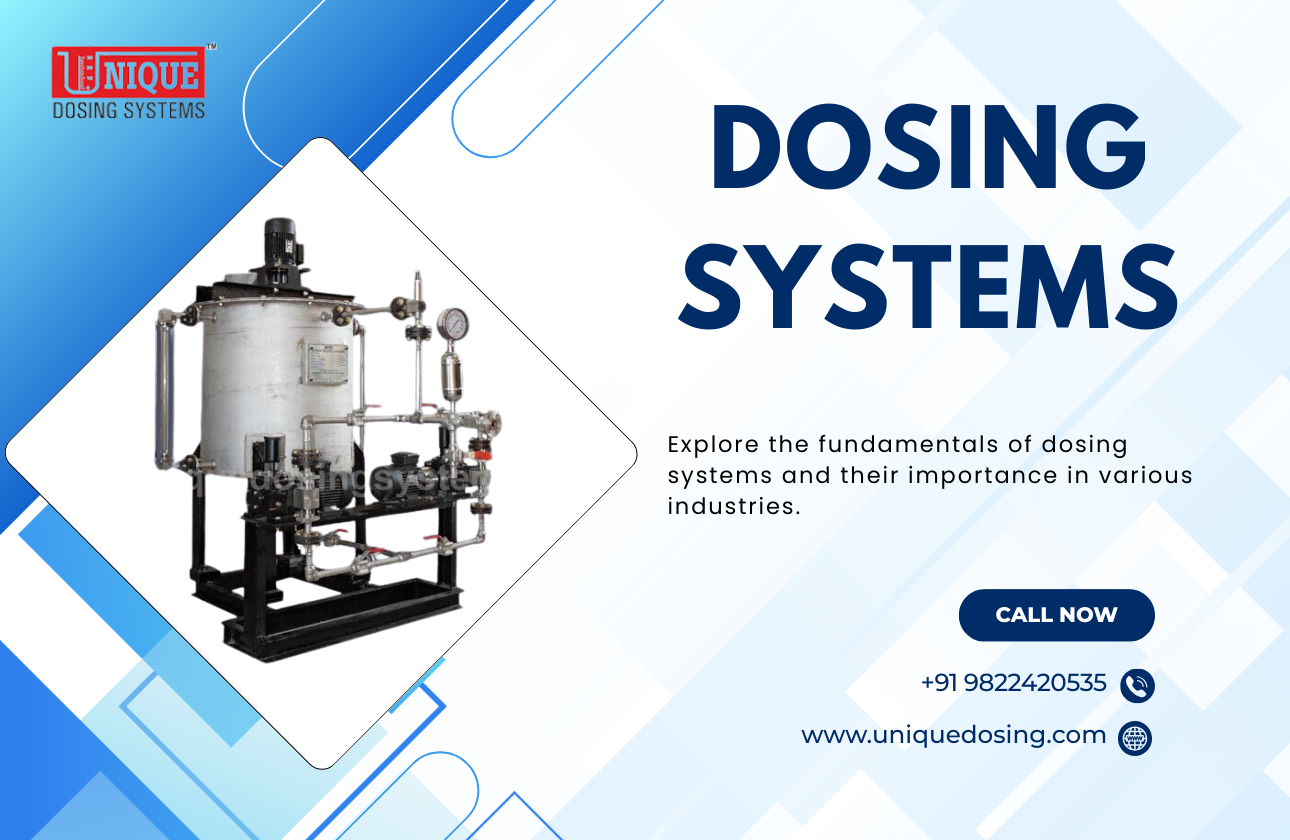
Dosing systems are essential in many industries for precise fluid management. They are used to add chemicals or other liquids to a process in a controlled way. This ensures accurate measurements, making them vital for industries like pharmaceuticals, water treatment, and food processing. Understanding how they work and their applications can help businesses improve their efficiency and product quality.
How Dosing Systems Work
At their core, dosing systems consist of a pump, control unit, and various tubing components. The pump moves the liquid, controlled by the control unit to ensure the right amount is delivered. The whole system is synchronized to minimize errors in fluid delivery. This ensures that the process is accurate, which is crucial for maintaining the desired chemical balance in operations.
Types of Dosing Systems
There are various types of dosing systems, including peristaltic, diaphragm, and piston pumps. Each type has its advantages. For example, peristaltic pumps excel at handling viscous fluids, while diaphragm pumps are preferred for their robustness and versatility. Choosing the right system depends on the specific requirements of the application, such as fluid type and flow rates.
Applications Across Industries
Dosing systems are used in diverse applications. In the water treatment industry, they help manage water quality by accurately adding treatment chemicals. In the food and beverage industry, dosing systems add flavors and preservatives precisely, ensuring product consistency. This versatility makes them indispensable across several fields.
Benefits of Using Dosing Systems
There are numerous benefits to using dosing systems. They enhance the accuracy of fluid distribution, which can reduce waste and lower costs. Additionally, their automation capabilities minimize human intervention, which reduces human error and increases safety. These systems can also improve regulatory compliance by maintaining consistency in fluid handling.
Choosing the Right Dosing System
Selecting the appropriate dosing system is critical for optimizing performance. Factors to consider include the chemical properties of fluids, required flow rate, and environmental conditions. Consulting with manufacturers or experts in the field can provide guidance tailored to your specific needs, ensuring that your system will meet both current and future operational demands.
Maintaining Dosing Systems
Regular maintenance is key to the longevity and efficiency of dosing systems. Regular checks can prevent breakdowns and ensure accuracy. Cleaning, inspecting parts, and replacing worn-out components are part of maintenance routines. This proactive approach can help in avoiding unexpected downtime and keeping the entire fluid management process on track.
Frequently Asked Questions
1. What industries benefit the most from dosing systems?
Answer: Industries like water treatment, pharmaceuticals, food and beverage, and chemical processing benefit significantly due to their need for precise fluid management.
2. Can dosing systems handle solid particles in the fluid?
Answer: Some dosing systems are designed to manage fluids with small solid particles. However, it is essential to consult specifications or manufacturers to ensure compatibility.
3. How can one choose the best dosing system?
Answer: Consider factors such as the type of fluid, required flow rate, and environmental conditions. Consulting with manufacturers can help make an informed choice.
4. What are the maintenance needs of dosing systems?
Answer: Routine maintenance includes cleaning, checking for wear, and replacing damaged parts. This helps in preventing breakdowns and maintaining system accuracy.
5. Are dosing systems expensive to operate?
Answer: Operating costs vary. While initial setup might be costly, the efficiency and waste reduction they offer can offset costs over time.