In today's industrial landscape, precision and efficiency are paramount. Enter dosing systems and metering pumps, essential technologies that streamline liquid handling processes across diverse sectors such as pharmaceuticals, water treatment, food and beverage, and chemical manufacturing.
What are Dosing Systems and Metering Pumps?
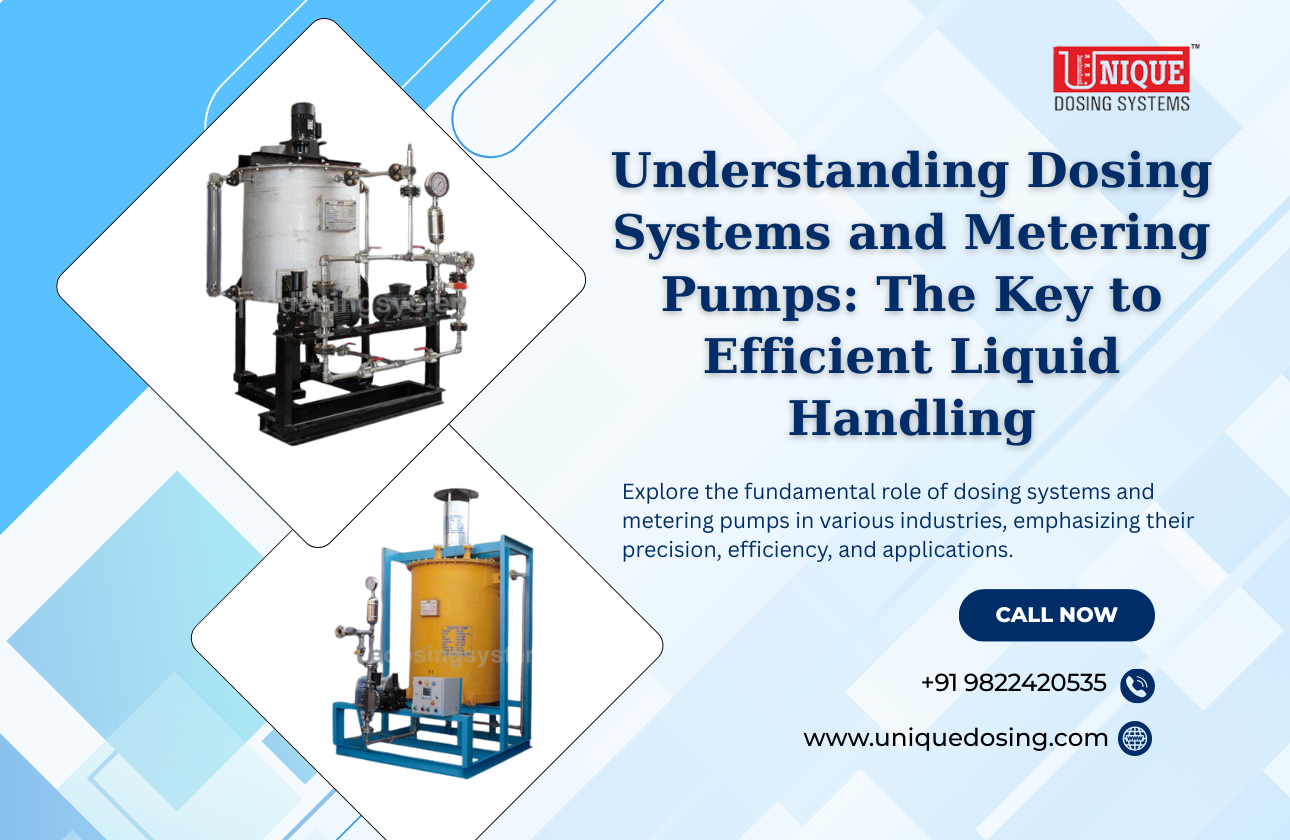
A dosing system is a set-up designed to accurately deliver specific volumes of liquids into a process stream. Integral components typically include a metering pump, fluid connections, valves, and control units capable of precise regulation. Metering pumps, the heart of any dosing system, are devices engineered to displace liquids at controlled flow rates, ensuring accuracy and repeatability in applications that demand exact liquid measurements.
Benefits of Using Dosing Systems
Dosing systems offer numerous advantages that contribute to enhanced operational effectiveness:
- Accuracy: Systems are capable of precise dosing, minimizing waste and maximizing ingredient efficiency.
- Automation: Advanced systems allow for automation, reducing the need for manual interventions and lowering labor costs.
- Consistency: Metering pumps ensure uniform output, which is critical in maintaining product quality.
- Versatility: Suitable for various liquids, including corrosive, viscous, or hazardous substances.
Applications of Dosing Systems
The versatility of dosing systems makes them indispensable in a multitude of industrial processes:
- Water Treatment: Dosing systems add chemicals such as chlorine and pH adjusters to ensure water safety and compliance with health standards.
- Pharmaceutical Manufacturing: Precise dosing ensures accurate formulation of medications and nutritional supplements.
- Food and Beverage: Accurate flavor and ingredient addition maintain the quality and consistency of products.
- Chemical Processing: Systems manage challenging fluids and complex reactions with precision.
Choosing the Right Dosing System
When selecting a dosing system, consider the following factors:
- Flow Rate Requirements: Match the pump's capacity with your process demands.
- Fluid Properties: Understand the characteristics of the fluid, including viscosity and corrosiveness.
- System Complexity: Determine if a simple manual system or a sophisticated automated solution suits your needs.
- Maintenance and Durability: Choose systems known for reliability and ease of maintenance.
Ultimately, investing in high-quality dosing systems and metering pumps translates into operational efficiency, cost savings, and improved product quality. Understanding and applying these technologies can significantly enhance your industrial processes, ensuring your business remains competitive and efficient in an ever-evolving market.
As the demand for precision in liquid handling grows, the role of dosing systems becomes increasingly crucial. Whether it’s in ensuring safe drinking water, producing pharmaceuticals, or processing food items, these systems are at the forefront of modern industrial advancements.