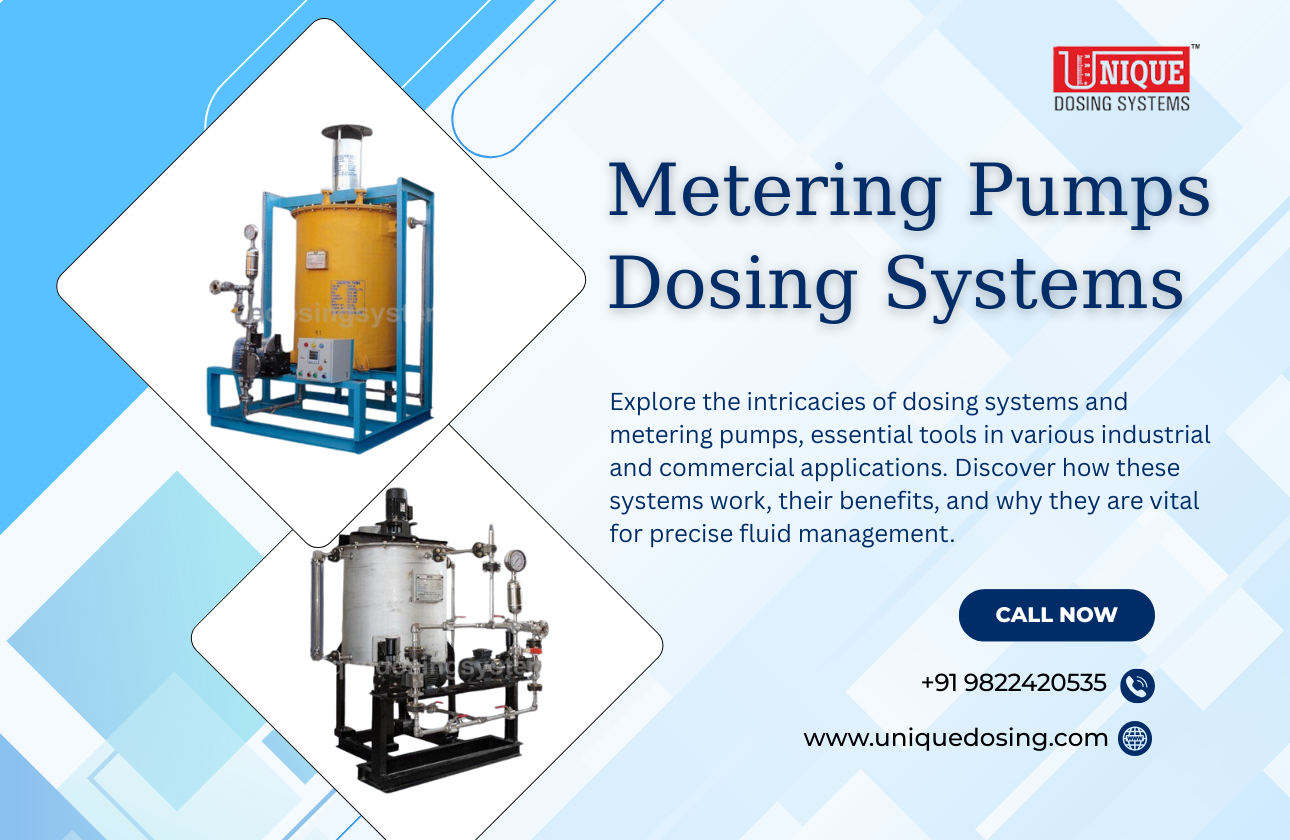
Understanding Dosing Systems and Metering Pumps: The Ultimate Guide
Dosing systems and metering pumps play a crucial role in ensuring the precise delivery of chemicals and fluids across a multitude of industries. From water treatment facilities to chemical manufacturing plants, these tools are indispensable for achieving accuracy and efficiency in fluid handling processes.
What are Dosing Systems?
Dosing systems are engineered solutions designed to introduce a precise amount of substance into a process or a system. They consist of multiple components, including metering pumps, control systems, and various accessories, developed to ensure accurate dosing. These systems are essential in applications where precision is paramount, such as in pharmaceutical manufacturing, wastewater treatment, and food and beverage production.
The Role of Metering Pumps in Dosing Systems
Metering pumps are essential components of dosing systems. These pumps are specifically designed to move a precise volume of liquid in a specified time frame, making them ideal for applications that require exact fluid dosing. Metering pumps are often used when handling chemicals, ensuring that the correct concentration is maintained consistently throughout the process.
Types of Metering Pumps
There are several types of metering pumps, including:
- Diaphragm Pumps: Using a flexible diaphragm, these pumps displace fluids with extreme precision and are popularly used due to their leak-proof operation.
- Piston Pumps: Known for their high-pressure capabilities, piston pumps are suitable for handling aggressive chemicals and viscous fluids.
- Peristaltic Pumps: These utilize rollers to compress a hose or tube, ideal for gentle pumping requirements where contamination is a concern.
Benefits of Using Dosing Systems with Metering Pumps
The integration of metering pumps within dosing systems offers numerous advantages:
- Precision and Control: Achieve accurate dosing and flow control, critical for quality assurance and process integrity.
- Efficiency: Automated dosing systems reduce manual intervention, minimizing the potential for human error.
- Cost-Effectiveness: Lower chemical usage and waste by ensuring proper dosing, leading to cost savings in material and processing.
- Environmentally Friendly: Reduce the environmental impact by meticulously controlling the dosage of potentially harmful substances.
Choosing the Right Dosing System for Your Needs
When selecting a dosing system, consider factors such as the fluid characteristics, required flow rate, system integration, and maintenance requirements. Consult with a professional to ensure that the selected system meets your specific operational demands and regulatory compliance.
Conclusion
Dosing systems and metering pumps are integral to ensuring that processes reliant on accurate fluid management are successfully achieved. Understanding their function and benefits can help businesses optimize operations, maintain quality standards, and achieve cost efficiencies.
Feel free to contact our experts for a tailored assessment of your dosing system needs to enhance your operations with precision and reliability.
Published on February 10, 2026 by Admin