Understanding Dosing Systems
Dosing systems are critical in industries where precision in fluid management is crucial. Whether it's water treatment, chemical manufacturing, or food and beverage production, dosing systems help control the rate and volume of fluids added to a process. They ensure that each mix is right and consistent, which is vital for both product quality and safety. In simple terms, a dosing system is like a precise liquid dispenser that makes sure everything goes as planned.
Components of Dosing Systems
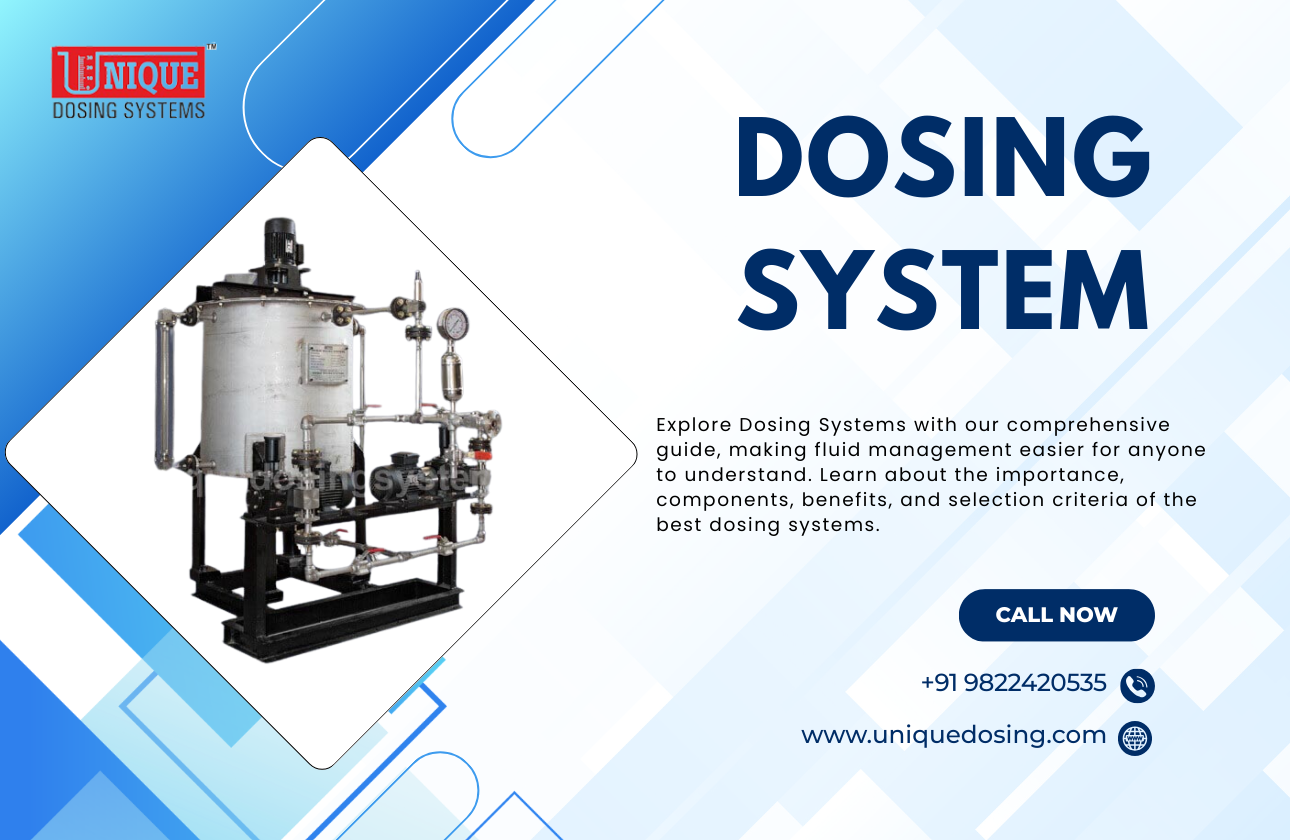
A dosing system comprises several components, each playing a pivotal role in its operation. The key parts include pumps, measurement devices, and control units. The pump moves the fluid, while the measurement device ensures the right amount is delivered. The control unit oversees the process, keeping everything within specified limits. These systems integrate seamlessly to achieve high precision in dosing tasks, making them essential in industries where exact quantities matter.
Benefits of Using Dosing Systems
The major advantage of using dosing systems is their accuracy. They eliminate errors associated with manual dosing, thereby enhancing product quality. Also, by ensuring the precise use of materials, they reduce waste, thus saving costs. Additionally, dosing systems can improve safety by minimizing human contact with harmful substances. This combination of benefits makes them an integral choice for industries looking to streamline processes and improve output.
Types of Dosing Systems
There are various types of dosing systems tailored to different needs. Some are designed for very small quantities, while others handle bulk applications. Common types include piston pumps, peristaltic pumps, and diaphragm pumps. Each type is suited to specific applications, so choosing the right one depends on factors like fluid type, viscosity, and required flow rate. By understanding each type's function and suitability, industries can make informed decisions about which dosing system will best meet their needs.
Applications of Dosing Systems
Dosing system find applications in numerous sectors. In agriculture, they ensure precise chemical blends for crop protection. In water treatment, they enhance purity by accurately dispensing chlorine and other additives. The food and beverage industry relies on these systems to maintain flavor consistency and safety standards. These diverse applications highlight the versatility of dosing systems and their importance in achieving efficiency and precision across various fields.
How to Choose the Right Dosing System
Selecting the appropriate dosing system involves considering multiple factors. Firstly, identify the specific needs of your operation, including the type of fluid and the required dosing accuracy. Evaluate the system's capability to handle chemical interactions and consider the maintenance and operational costs. Consulting experts or leveraging resources like a dosing pump manufacturer’s guide can provide valuable insights into making the best choice for your needs.
Maintaining and Troubleshooting Dosing Systems
Proper maintenance is vital to keep dosing system functioning efficiently. Regular inspections can help detect wear and tear early. Cleaning and recalibrating components can prevent malfunctions and ensure accurate dosing. Understanding common issues, such as clogs or leaks, and knowing how to fix them can save time and money. Most importantly, following the manufacturer's guidelines will help in achieving long-term efficiency and reliability for your dosing system.
Frequently Asked Questions
1. What is a dosing system?
Answer: A dosing system is a setup designed to dispense precise amounts of liquid or chemicals into a process, ensuring accurate and consistent application, which is crucial for product quality and safety.
2. Can dosing systems be used for any liquid?
Answer: Dosing systems can handle a wide range of fluids, from water to highly viscous chemicals. However, it's essential to choose the right system based on the specific properties of the fluid, such as viscosity and chemical compatibility.
3. How often should a dosing system be maintained?
Answer: Regular maintenance intervals depend on usage and the specific application. It's generally advisable to inspect systems monthly and perform a comprehensive service every 6 to 12 months for optimal performance.
4. Are there eco-friendly dosing systems available?
Answer: Yes, some dosing systems are designed to be energy-efficient and reduce waste, making them more eco-friendly. Innovations in technology continue to enhance the environmental compatibility of these systems.
5. How do you determine the right dosing accuracy for a system?
Answer: The required dosing accuracy depends on the application's tolerance levels. For critical applications, higher accuracy is essential. Consulting with experts or referencing guides on dosing systems can help in determining the needed accuracy.