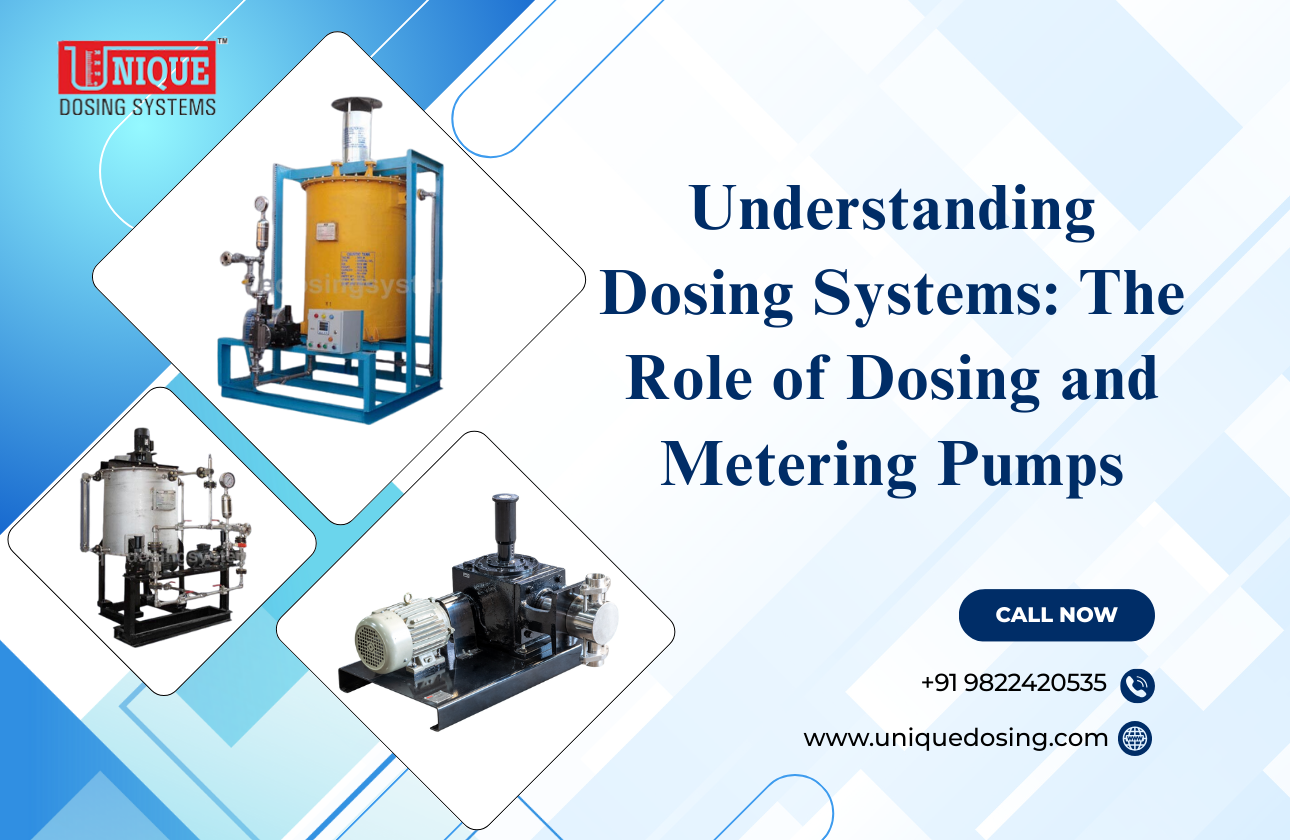
Understanding Dosing Systems: The Role of Dosing and Metering Pumps
In today’s industrial landscape, precision and efficiency are key to successful operations. One of the critical components in achieving these objectives is the use of dosing systems. These systems are indispensable across various industries, including water treatment, food and beverage, chemical processing, and pharmaceuticals. The backbone of these systems often includes dosing pumps and metering pumps, which ensure accurate and controlled delivery of fluids.
What Are Dosing Systems?
Dosing systems are designed to introduce a particular fluid into a process stream at a precise rate and volume. These systems are crucial when there is a need for exact chemical additions, preventing under or over-dosing, which can lead to inefficiencies or unsafe conditions. They are typically comprised of pumps, flow meters, control units, and storage tanks, each playing an integral role in maintaining the desired output.
The Importance of Dosing Pumps
Dosing pumps are specialized types of pumps that allow the user to adjust the flow rate and volume of fluid being injected. This capability is what makes them pivotal within a dosing system. They ensure that the correct amount of chemicals or ingredients are dispensed, thereby maintaining process integrity and quality. Common types of dosing pumps include diaphragm pumps, peristaltic pumps, and piston pumps, each having unique advantages for different applications.
Role of Metering Pumps
Metering pumps are essential to dosing systems because of their accuracy and ability to inject precise amounts of fluids, crucial in sensitive applications such as pharmaceutical production or complex chemical reactions. These pumps are designed to withstand harsh chemical environments and operate under high pressures, ensuring longevity and reliability.
Advantages of Effective Dosing Systems
An efficiently functioning dosing system provides numerous benefits, including:
- Accuracy and Precision: Ensures that the exact amount of substance required is delivered, which is vital for safety and compliance with industry standards.
- Cost-Effectiveness: Reduces waste by minimizing over-dosing and optimizing the use of chemicals and other raw materials.
- Operational Efficiency: Enhances process stability and can lead to better product quality and consistency.
- Environmental Protection: Accurate dosing helps prevent environmental contamination, supporting sustainability efforts.
Choosing the Right Dosing System Components
When selecting components for a dosing system, it's crucial to consider the chemical properties of the fluids being handled, the required flow rates, and environmental conditions. Consultation with experts and thorough research can guide the selection of appropriate pumps and control systems that meet specific industry needs.
Conclusion
In conclusion, dosing systems, and particularly the dosing and metering pump within them, are essential for ensuring precision and efficiency in various industrial processes. Their ability to deliver exact amounts of material not only supports operational success but also promotes sustainability and cost savings. As industries continue to evolve, the reliance on sophisticated dosing systems will become even more critical, driving innovations and improvements in this field.
Published on January 10, 2026 by Admin