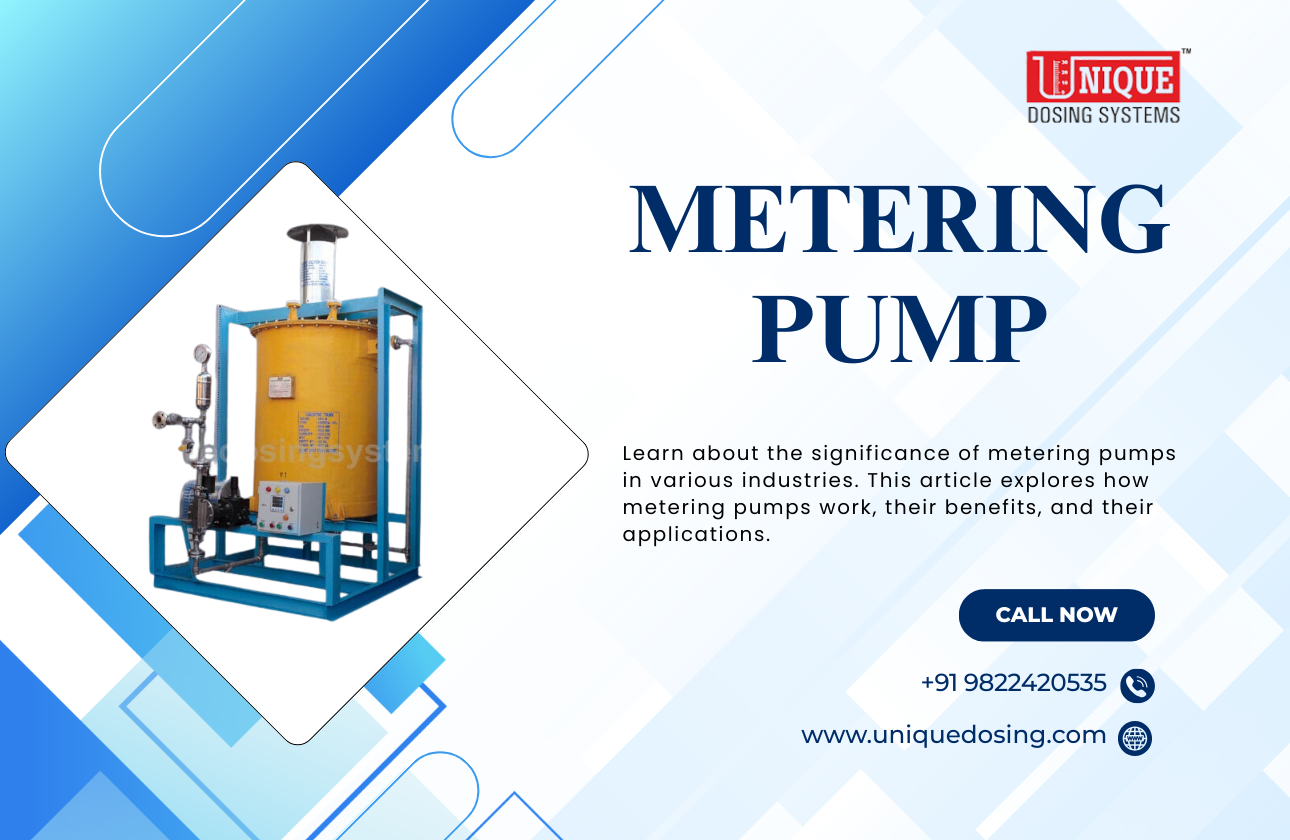
What is a Metering Pump?
Let's start with the basics. A metering pump is a device that precisely controls the flow of liquids. It measures exact quantities and sends them to the required area, ensuring precise dosing. These pumps are often used in industries where accuracy is crucial, like chemical processing, food and beverage manufacturing, and water treatment. They're designed to handle a range of liquids, from water to complex chemical solutions, and are the backbone of precision in fluid management processes.
How Do Metering Pumps Work?
Metering pumps are designed to deliver a consistent and controlled amount of liquid. They usually have a piston or diaphragm that compresses and releases liquid into a dosed amount. The motor's speed controls the volume of liquid flow, allowing adjustments for different processing needs. This design lets them adapt to various industries and applications, providing a tailored approach to fluid management. You can find more detailed insights in this comprehensive metering pump guide.
Benefits of Using Metering Pumps
There are numerous advantages to using metering pumps. Their primary benefit is accuracy. By providing precise control over fluid volumes, these pumps minimize waste and improve efficiency. Another perk is their ability to handle harsh chemicals safely, making them ideal for applications in hazardous environments. Additionally, metering pumps are known for their reliability and longevity, ensuring less downtime and maintenance issues, which leads to cost savings over time.
Choosing the Right Metering Pump
Selecting the best metering pump for your needs requires considering several factors. First, determine the specific fluid characteristics and required flow rate. Consider the environment the pump will be used in, as it needs to withstand the conditions of operation. Also, evaluating the mechanical design is crucial, whether you prefer a diaphragm or piston type, each offering differing benefits. There are excellent resources available, like this guide to choosing the right metering pumps, which can be very helpful in the selection process.
Applications of Metering Pumps
Metering pumps see use across a variety of industries. In water treatment facilities, they ensure the correct balance of chemicals to purify water. In agriculture, they're tasked with accurate fertilizer distribution. In the pharmaceutical arena, they precisely measure ingredients for medications. The food and beverage industry uses them to ensure consistent product quality. Their versatility and precision make them indispensable in any field requiring exact fluid management.
Maintaining a Metering Pump
Regular maintenance of metering pumps ensures optimal performance. This includes routine checks for wear and tear, ensuring seals are intact, and confirming the calibration remains accurate. Consistent maintenance prevents potential failures and extends the life of the pump, assuring continued high performance. Many manufacturers provide maintenance guides specifically for their models, helping users keep up with necessary upkeep.
Frequently Asked Questions
1. What industries commonly use metering pumps?
Answer: Metering pumps are prevalent in industries such as chemical processing, water treatment, food and beverage manufacturing, pharmaceuticals, and agriculture. Their ability to precisely control liquid flow makes them ideal for any application requiring exact dosing.
2. How does a metering pump differ from a regular pump?
Answer: The main difference lies in precision. Unlike regular pumps that simply move fluids, metering pumps are designed to control and measure fluid flow accurately, making them crucial for processes that require exact dosing.
3. Can metering pumps handle viscous fluids?
Answer: Yes, many metering pumps are capable of handling viscous fluids. However, it's essential to choose a pump that is compatible with the fluid type and application requirements to ensure its performance and longevity.
4. What is the lifespan of a metering pump?
Answer: The lifespan of a metering pump can vary depending on usage, maintenance, and environmental conditions. With regular maintenance, a high-quality metering pump can last for several years.
5. Are metering pumps energy efficient?
Answer: Many modern metering pumps are designed with energy efficiency in mind. They offer precise control, reducing waste and optimizing resource use. Selecting the right model for your application can further elevate these efficiencies.
Published on March 5, 2026 by Admin