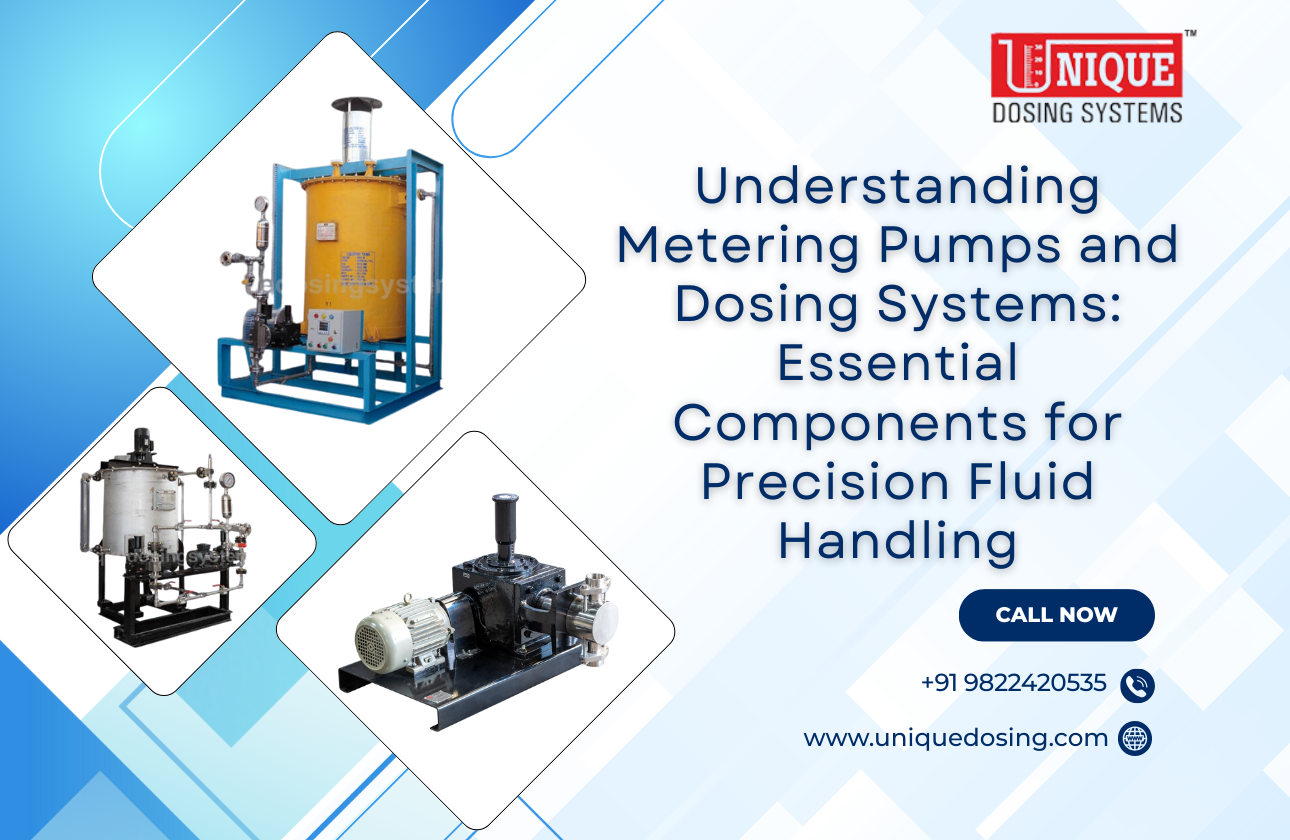
Understanding Metering Pumps and Dosing Systems: Essential Components for Precision Fluid Handling
In the world of fluid handling, precision and accuracy are paramount. Whether it’s in water treatment, chemical processing, or pharmaceutical applications, ensuring the right amount of a substance is dispensed consistently can mean the difference between success and failure. This is where metering pumps and dosing systems come into play, providing the reliable and precise delivery of fluids required in modern industries.
What Are Metering Pumps?
Metering pumps, often referred to as dosing pumps, are specialized pumps designed to deliver a precise volume of liquid in a specified time. These pumps are crucial in processes that require exact quantities of reagents, chemicals, or other fluids to be injected into systems continuously or at specific intervals. Their ability to handle a wide range of flow rates and pressures makes them indispensable across diverse sectors.
Key Features of Dosing Pumps
Dosing pumps are characterized by their precision and flexibility. Some of the standout features include:
- Precision Flow Control: With the ability to adjust flow rates accurately, dosing pumps ensure the right volume is delivered precisely when needed.
- Material Versatility: Constructed from materials like plastics, stainless steel, and alloys, these pumps can handle a variety of chemicals safely.
- Durability: Designed to withstand harsh industrial environments, these pumps offer reliable performance over long periods.
The Role of Dosing Systems
While metering pumps are the core, dosing systems encompass the whole setup, including the pump, control systems, and monitoring equipment. These systems provide not just the mechanical means of injecting fluids, but also the technology to automate, monitor, and adjust processes in real time.
Automation and Control: Advanced dosing systems integrate programmable control units and sensors that automatically adjust dosing parameters based on real-time data. This level of automation reduces manual intervention, ensuring consistency and efficiency.
Applications Across Industries
From water treatment plants that require precise chemical dosing to ensure safe drinking water, to the manufacturing of pharmaceuticals where exact ingredient quantitation is critical, dosing systems and metering pumps are crucial. They are also applied in food and beverage productions, agriculture for nutrient delivery, and even in oil and gas for corrosion control.
Advantages of Implementing Dosing Systems
The strategic implementation of dosing systems offers numerous advantages, such as:
- Improved Accuracy: Minimizes waste and reduces operational costs by delivering exact doses.
- Enhanced Efficiency: Automation and precise control boost productivity.
- Safety: Reduces the risk of spillage or over-dosage, ensuring a safer working environment.
Conclusion
Understanding the critical roles that metering pumps and dosing systems play in industrial applications is essential for any business involved in fluid handling. Investing in the right technology not only enhances operational efficiency but also ensures compliance with stringent industry standards. For industries tasked with the challenge of precise fluid management, these systems are not just beneficial—they are a necessity.
By choosing the right metering pump and dosing system for your application, you can achieve new levels of precision and reliability in fluid delivery—essential components in the intricate machinery of modern industry.
Published on February 8, 2026 by Admin