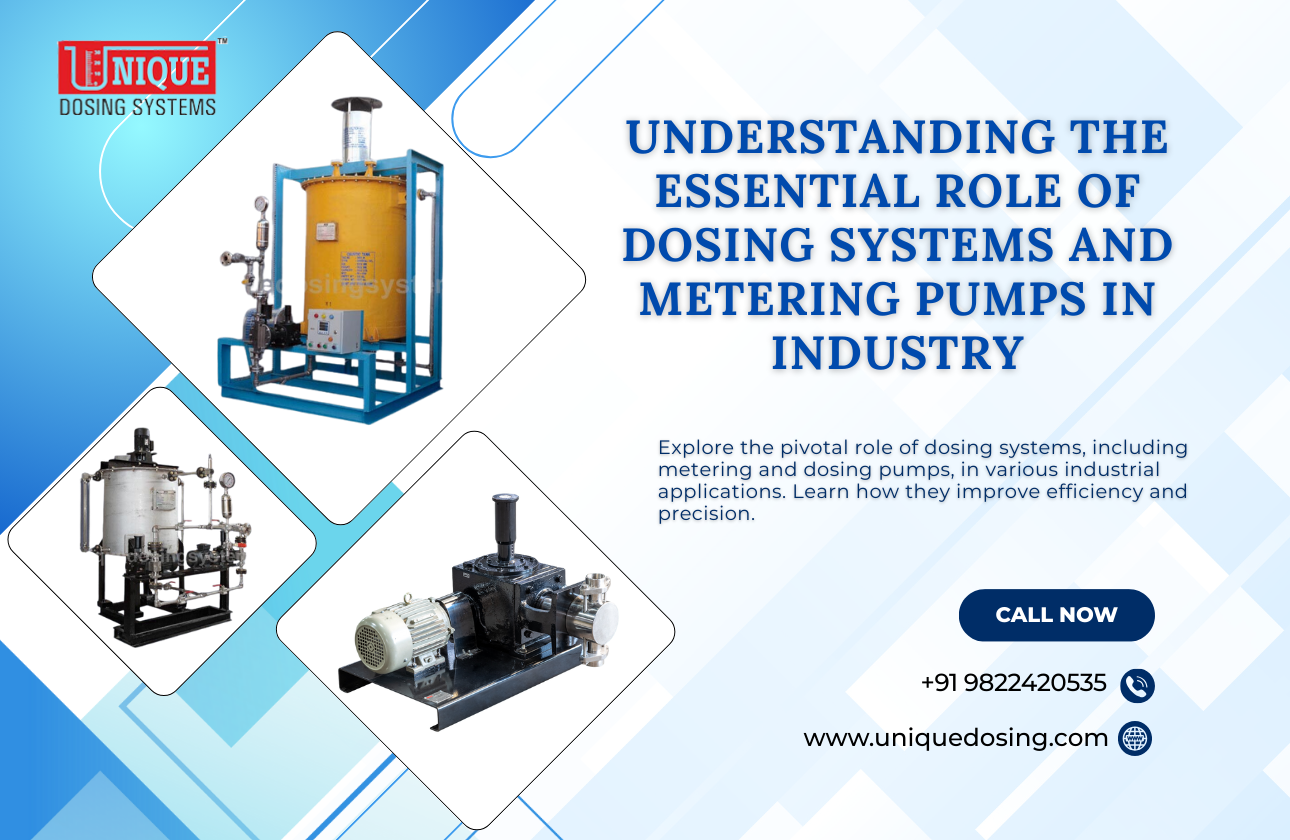
Understanding the Essential Role of Dosing Systems and Metering Pumps in Industry
In today's industrial landscape, precision and efficiency are paramount. One of the vital components contributing to these factors is the use of dosing systems, which often incorporate metering and dosing pumps. Whether in water treatment, chemical processing, or pharmaceuticals, these systems play a crucial role in ensuring accurate and controlled delivery of substances.
What Are Dosing Systems?
Dosing systems are engineered solutions designed to introduce a specific and adjustable volume of a substance into a process stream. They are extensively used across various industries to manage process functions, enhancing both operational efficiency and product quality.
The core components typically include metering pumps, various sensors, and control units, all working in unison to ensure precision dosing.
Importance of Metering Pumps
Metering pumps, also known as dosing pumps, are positive displacement pumps that provide the means for accurate fluid handling. Their accurate flow control, often adjustable via stroke or speed settings, allows precise dosing of chemicals and other substances. This precision is critical in industries such as pharmaceuticals, where the quality and efficiency of end products depend heavily on the accuracy of dosage.
Modern metering pumps come equipped with advanced technologies, including digital control and remote monitoring capabilities, which enhance their utility in automated systems.
Applications Across Industries
Water Treatment: In water treatment plants, dosing systems are essential for the correct introduction of disinfectants and pH adjusters, ensuring safe and compliant water supply.
Chemical Processing: Precise dosing of reactants is crucial in chemical manufacturing to maintain reaction balance and optimize output quality.
Food and Beverage: Dosing systems provide the precision needed in adding flavors, preservatives, and other additives during food processing, maintaining consistency and safety.
Advantages of Implementing Dosing Systems
Implementing a modern dosing system can bring numerous advantages, including:
- Cost-Effectiveness: By ensuring exact dosing pumps quantities, these systems minimize waste and optimize resource usage.
- Enhanced Safety: Automated dosing reduces the need for manual handling, thus lowering the risk of exposure to hazardous substances.
- Improved Production Quality: Consistent and precise dosing results in a higher quality end product.
- Scalability: Modular designs enable easy integration and scalability as operational requirements grow.
Choosing the Right System
Selecting the appropriate dosing system involves considering factors such as flow rate, pressure requirements, fluid viscosity, and chemical compatibility. Consulting with industry experts can facilitate the selection process, ensuring that the chosen system aligns with specific operational needs.
Conclusion
Dosing systems, incorporating metering and dosing pumps, are indispensable assets in modern industrial practice. Their role in enhancing process accuracy, safety, and efficiency cannot be overstated. As industries continue to prioritize both productivity and sustainability, investing in state-of-the-art dosing technology remains a sound strategic decision.
Published on December 26, 2025 by Admin