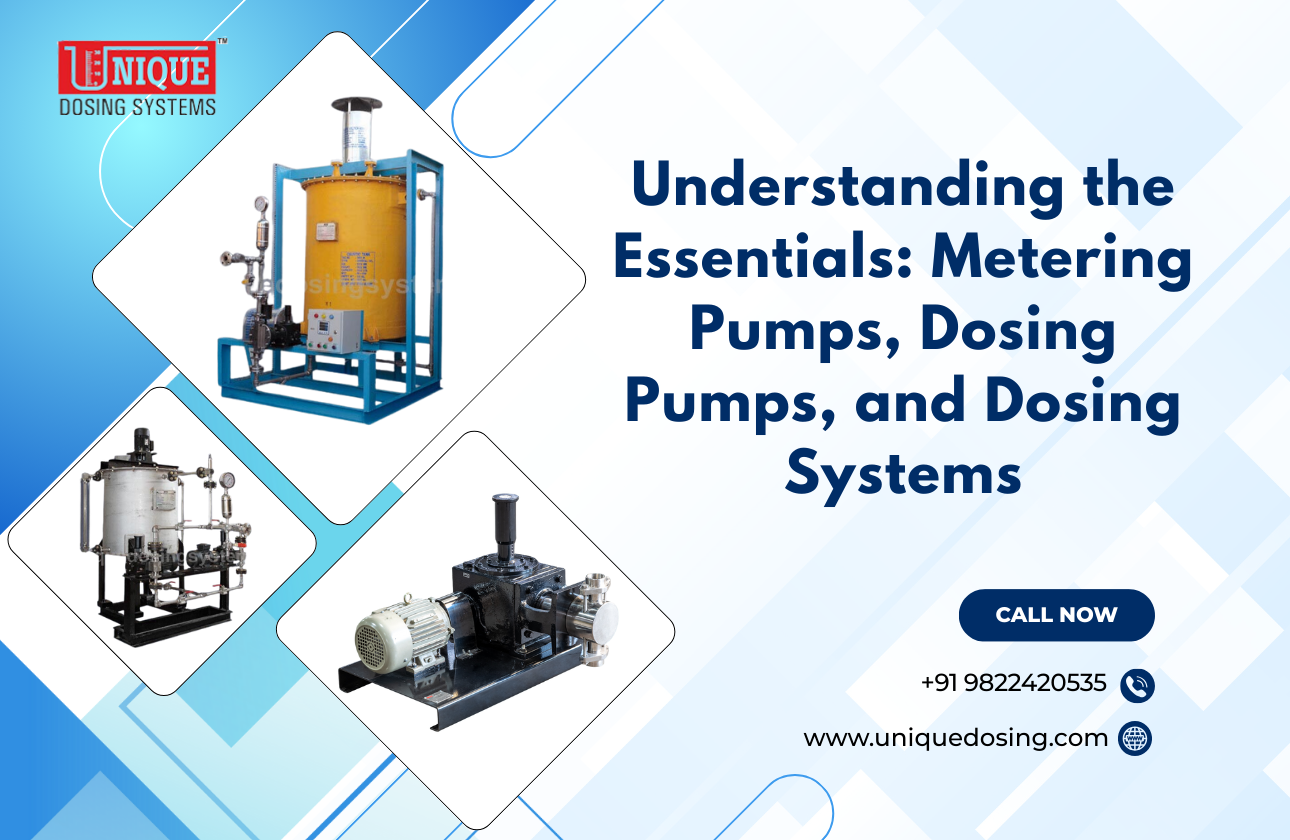
Understanding the Essentials: Metering Pumps, Dosing Pumps, and Dosing Systems
In the world of fluid management, precision is paramount. Whether it's in water treatment, chemical processing, or pharmaceuticals, the accurate delivery of liquids is crucial. This is where metering pumps, dosing pump, and dosing systems come into play. These technologies ensure that liquids are transferred efficiently and precisely, maintaining the integrity of the processes they support. In this blog post, we explore the functionalities, differences, and applications of these vital components.
What are Metering Pumps?
Metering pumps are a type of positive displacement pump used to accurately dispense a predictable flow of liquid regardless of the system pressure. They are highly prized for their ability to deliver precise volumes at controlled flow rates, making them essential in various industrial applications. These pumps are commonly used in water treatment, chemical injection, and food processing industries.
Key features of metering pumps include variable flow rates, high accuracy, and the ability to handle a range of fluid types, including corrosive, viscous, and slurry fluids. By allowing users to adjust the flow rate manually or automatically via computer control, metering pump stand out as versatile and reliable choices for modern industries.
Dosing Pumps: The Precise Solution
Dosing pump, a subset of metering pumps, are specifically designed to dispense exact amounts of chemicals or other fluids into a system or process. Characterized by their high precision and control, dosing pumps are extensively used in water treatment plants to treat water with additives like chlorine or pH adjusters.
These pumps offer excellent control over the dosing interval and dose amount, making them ideal for applications where precision is crucial. While all dosing pumps are metering pumps by design, not all dosing pump are used for dosing applications. This distinction underscores their tailored usage in industries where precision is essential.
The Role of Dosing Systems
A dosing system integrates the use of one or more dosing pumps with additional instrumentation to achieve automated, accurate dosing processes. These systems can be found in sectors ranging from agriculture and food to pharmaceuticals, emphasizing both efficiency and safety.
Typically, a dosing system comprises pumps, tanks, pipes, valves, and control units, creating a complete setup for consistent dosing operations. By automating the process, dosing systems minimize the risk of human error, enhance productivity, and ensure compliance with health and safety standards.
Applications and Benefits
The applications for metering pumps, dosing pumps, and systems are as varied as the liquids they handle. In the chemical industry, they enable the precise introduction of additives and reagents into reaction media. In the food and beverage sector, they ensure consistent flavoring and preservative levels. Furthermore, their use in wastewater and water treatment facilities highlights their importance in maintaining environmental safety.
Investing in these technologies ensures reduced waste, lower operational costs, and improved product quality across demanding industries. As technology continues to evolve, the integration and capabilities of these dosing system will expand, offering new opportunities for increased precision and automation.
Conclusion
Understanding metering pump, dosing pumps, and dosing systems is key to optimizing fluid management processes. From ensuring water safety to perfecting industrial processes, these technologies offer unparalleled precision and reliability. As industries strive for greater efficiency and sustainability, the role of these components remains pivotal. Explore your options and see how incorporating these solutions can enhance your operations today.
Published on January 5, 2026 by Admin