Introduction to Dosing Systems
Dosing systems are an integral part of many industries, playing a crucial role in managing precise quantities of liquids or chemicals. Designed to ensure accuracy and efficiency, these systems are widely used in sectors ranging from water treatment to pharmaceuticals. Understanding their core components and how they function can help businesses maintain consistency and improve production processes.
How Do Dosing Systems Work?
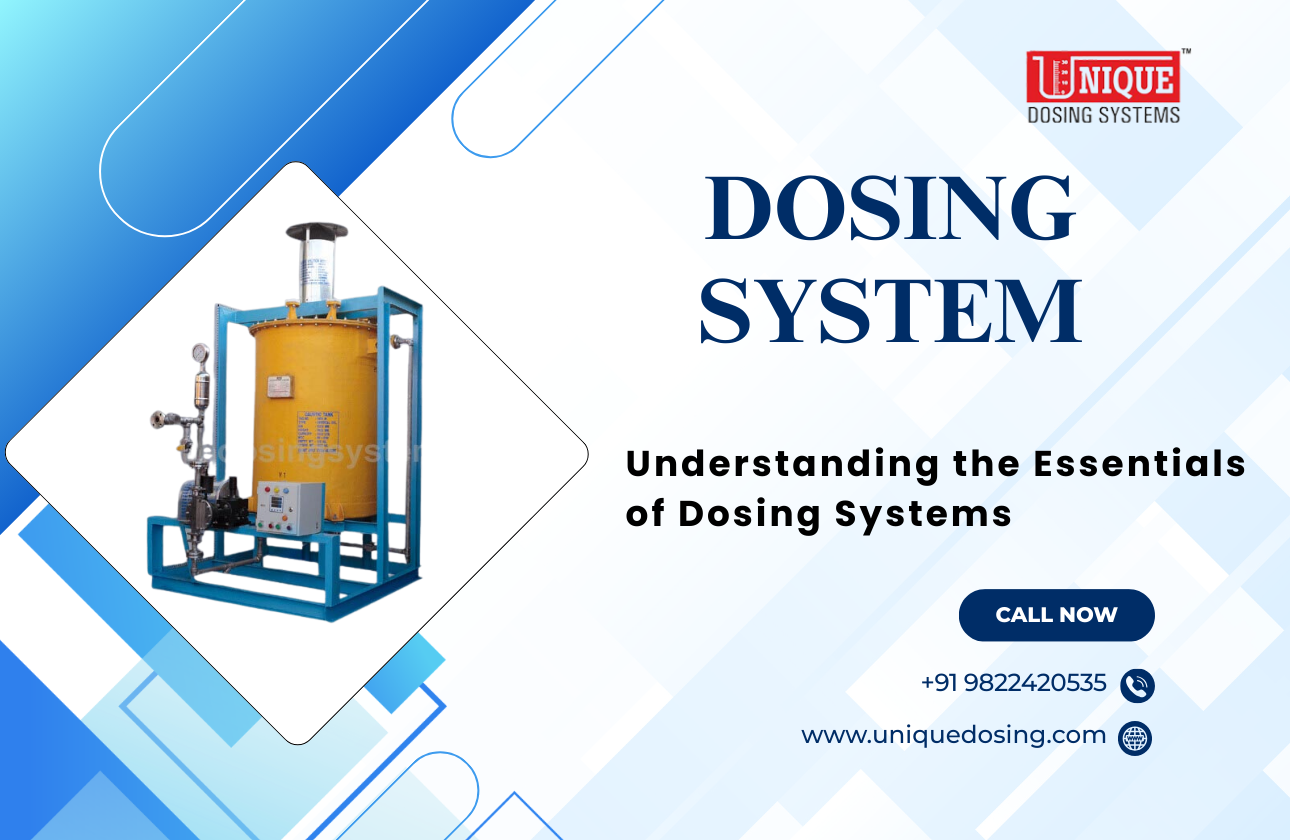
A dosing system typically involves several components working together to control the flow of fluids. It includes a pump that moves the liquid, valves that regulate the flow, and a control unit to monitor and adjust the dosing rate. These systems can be set up to work with various substances, accommodating different viscosities and fluid properties. Automation in these systems allows for precise handling, minimizing human error and increasing efficiency in operations.
Applications of Dosing Systems
Dosing systems find applications in numerous industries. In the water treatment industry, they help in maintaining water quality by ensuring the correct amount of chemicals are added for purification. In agriculture, dosing systems are employed for fertilizers and pesticides, optimizing the growth and health of crops. Pharmaceutical companies use these systems to handle delicate ingredients in drug production, where precision is paramount.
Benefits of Using Dosing Systems
Dosing systems offer several advantages, primarily revolving around efficiency and precision. By automating the dosing process, these systems reduce the chances of manual errors, leading to consistent results. They also help in saving resources by preventing waste, as the exact required amount of liquid is used each time. Additionally, they enhance safety by limiting human exposure to potentially harmful substances.
Challenges in Implementing Dosing Systems
Despite their benefits, implementing dosing systems can present challenges. These may include the initial costs associated with purchasing and setting up the systems. Moreover, training employees to correctly operate and maintain these systems is crucial for their effectiveness. At times, compatibility with existing processes can also be a concern. However, with growth in technology, manufacturers are developing more user-friendly systems to tackle these hurdles.
Choosing the Right Dosing System
Selecting the appropriate dosing system is vital for maximizing its potential. It involves considering the specific requirements of your industry and the substances involved. Various types of dosing systems are available, each suited for different applications. Consulting experts or working closely with manufacturers can guide businesses in making an informed decision. For further insights, explore our guide to dosing systems and pumps.
Maintaining Your Dosing System
Regular maintenance of dosing systems is essential to ensure their longevity and functionality. This includes routine checks of the pump and control units, cleaning components to prevent blockages, and calibrating the system to maintain accuracy. Adhering to a maintenance schedule can prevent breakdowns and costly downtime. Staff training in basic troubleshooting can also be beneficial in maintaining seamless operations.
Frequently Asked Questions
1. What is the primary purpose of a dosing system?
Answer: The primary purpose of a dosing system is to automatically control the addition of specific amounts of fluids or chemicals into a process, ensuring precision and efficiency, thus minimizing waste and error.
2. How does a dosing system improve safety in workplaces?
Answer: Dosing systems improve safety by automating the process of handling potentially hazardous materials, thus reducing manual handling and the risk of exposure for workers.
3. What types of industries benefit most from dosing systems?
Answer: Industries such as water treatment, pharmaceuticals, food and beverage, and agriculture benefit significantly from dosing systems due to the need for precise fluid management in these sectors.
4. Are there any downsides to using dosing systems?
Answer: The initial cost and complexity of setup, as well as the need for regular maintenance, are some downsides. However, these are often outweighed by the long-term benefits of efficiency and precision.
5. How do you maintain a dosing system?
Answer: Maintaining a dosing system involves regular inspections, cleaning components to ensure no blockages, calibrating the system for accuracy, and ensuring all parts function correctly to prevent downtime.