Understanding the Integral Role of Dosing Pumps in Advanced Dosing Systems
In the realm of industrial applications, precision and efficiency are key. Industries ranging from water treatment to chemical manufacturing depend on tools that can deliver accuracy and reliability. This is where dosing pumps, a critical component of dosing systems, come into play. These sophisticated devices, including metering pumps, enable precise fluid control, offering solutions that span a myriad of sectors.
What are Dosing Pumps?
Dosing pumps are specialized positive displacement pumps designed to inject a precise flow of liquid into another liquid stream. Often synonymous with metering pumps due to their ability to control fluid flow rates with high accuracy, these pumps are pivotal in applications where precision dosing, mixing, or presenting a chemical mixture is required.
The Mechanics of Dosing Systems
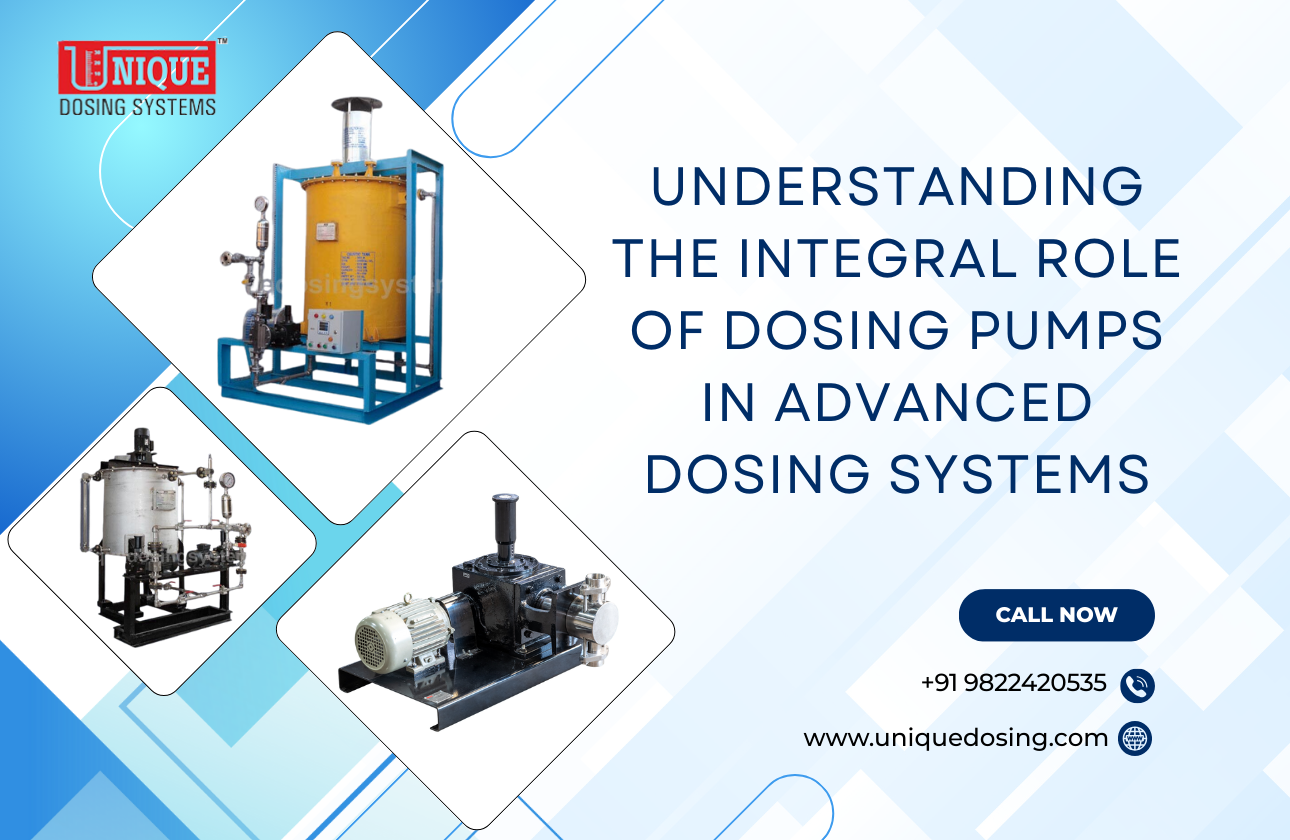
A dosing system integrates one or more dosing pumps along with essential instrumentation and features to deliver a complete dosing solution. Typical components of a dosing system may include:
- Pumps: Dosing or metering pumps are the heart of the system, ensuring exact delivery of the required fluid volumes.
- Controllers: These regulate the operation of the pumps and can modulate the dosing process based on real-time feedback.
- Sensors: Used to monitor pressure, flow rates, and chemical concentrations to ensure the system remains within set parameters.
- Tanks and Piping: Required for storage and transportation of fluids being dosed.
Applications of Dosing and Metering Pumps
The versatility of dosing pumps is evident in their wide range of applications. Some key industries include:
- Water Treatment: Dosing pumps are used to add coagulants, disinfectants, or pH conditioners to water dosing systems.
- Food and Beverage: Involves flavoring, coloring, and chemical preservative dosing to ensure product consistency and safety.
- Pharmaceutical: Precise chemical dosing is essential in the production and formulation of various pharmaceutical products.
- Oil and Gas: Used for dosing chemicals to ensure proper processing and corrosion control.
In each of these applications, metering pumps help maintain the exact chemical balance, ensuring processes run smoothly and safely.
The Advantages of Using Dosing Pumps
Choosing a properly designed dosing pump or an entire dosing system provides several advantages:
- Accuracy: Dosing pumps allow precise control over fluid flow rates and volumes.
- Flexibility: Able to handle a range of viscosities and chemical compatibilities.
- Durability: Designed to withstand harsh operating environments and metering pumps provide long service life.
- Automation: Advanced systems are capable of integrating with larger process automation systems to provide seamless operation.
Conclusion
As industrial processes become more advanced and require greater precision, the role of dosing pumps in dosing systems continues to grow. Understanding their mechanics and applications allows industries to harness their full potential, improving efficiency, safety, and accuracy. Whether it's in water treatment, food production, or oil refineries, dosing and metering pumps are indispensable tools driving modern industry forward.