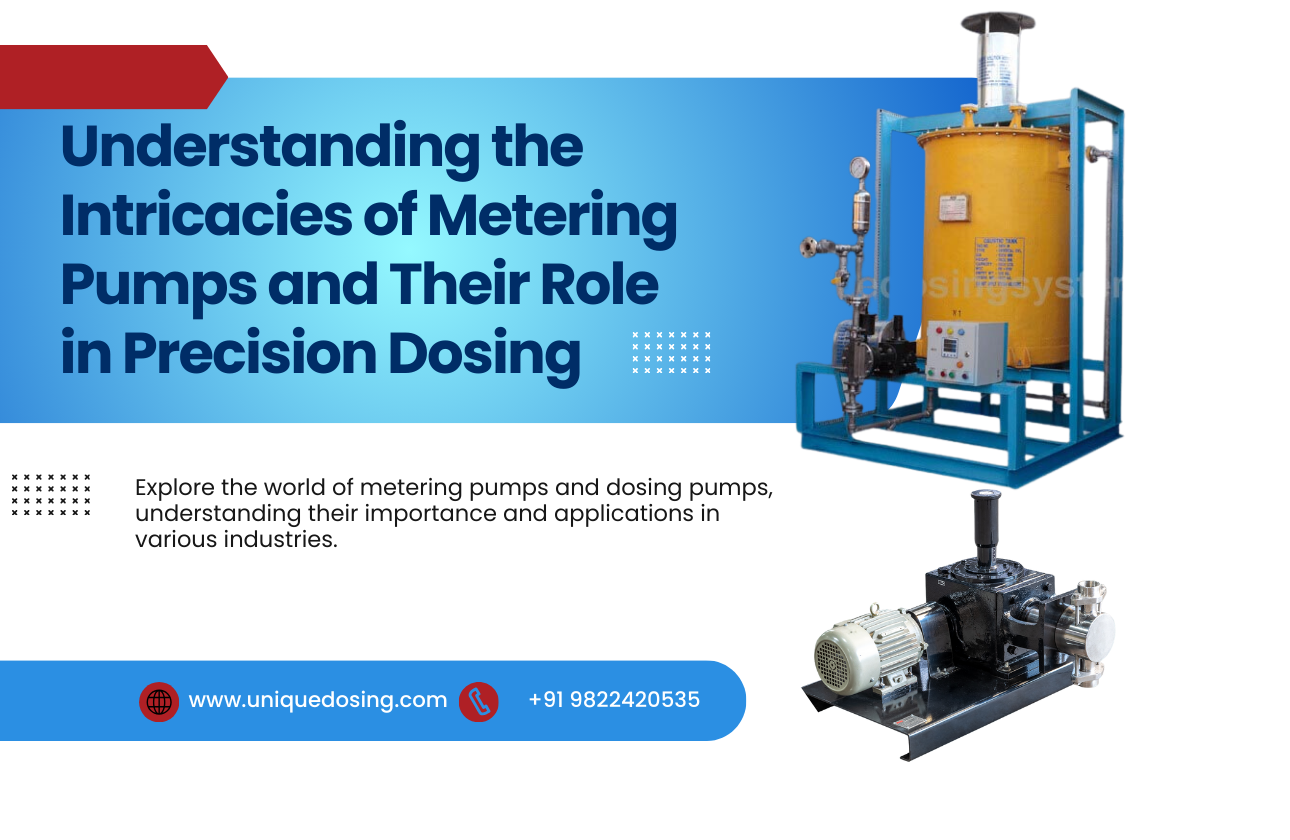
Understanding the Intricacies of Metering Pumps and Their Role in Precision Dosing
In the complex landscape of industrial processes, precision and reliability are paramount. Metering pumps, often referred to as dosing pumps, play a crucial role in ensuring accurate fluid transfer and chemical dosing. This delves into the world of metering pumps, their functions, and their diverse applications across industries.
What are Metering Pumps?
Metering pump are a specific type of pump designed to move fluids at highly exact flow rates over specified periods of time. This precision ensures consistent fluid transfer, which is crucial for processes such as chemical injection, water treatment, and pharmaceuticals. The key feature of metering pumps is their ability to deliver fluids at controlled flow rates ranging from microliters to gallons per hour.
How Do Metering Pumps Work?
Metering pumps operate through a controlled reciprocating motion. The essential components include a pump head, diaphragm, and a series of valves to maintain flow direction. With adjustment capabilities for stroke length and rate, metering pumps allow precise control of dosing volumes, making them indispensable for tasks requiring high accuracy.
Applications of Metering Pumps
The versatility of metering pumps means they can be found in a wide array of industries. Key applications include:
- Water Treatment: Metering pumps are used to dose chemicals for pH control, chlorine disinfection, and managing other water treatment processes to ensure safe and clean water supply.
- Oil and Gas: In this sector, metering pump inject corrosion inhibitors, demulsifiers, and other additives to enhance the efficiency and longevity of oil extraction and processing operations.
- Food and Beverage: For industrial food production, these pumps ensure accurate dosing of flavorings, colorings, and preservatives, maintaining product consistency and quality.
- Pharmaceuticals: Precision dosing is critical for the production of drugs and vaccines, making metering pumps essential in this highly regulated industry.
Meteorology of Metering Pump Selection
Selecting the right metering pump involves considering several factors:
- Flow Rate and Pressure: Ensure the dosing pumps can handle required flow rates and system pressures for your specific application.
- Material Compatibility: Evaluate the chemical compatibility of pump materials with the process fluids to prevent corrosion or degradation.
- Control Options: Decide on the level of automation and control required, ranging from simple manual adjustment to fully automated systems integrated with process control networks.
Conclusion
Metering pump, synonymous with dosing pumps, are vital for any operations requiring precise fluid management. By facilitating accurate chemical dosing and fluid transfer, they uphold product quality and process efficiency across industries. Understanding the mechanics and applications of metering pumps helps companies optimize their processes, ensuring accuracy and reliability in fluid management.
Whether you're dealing with complex chemical formulations or sensitive pharmaceutical compounds, the right metering pump can make all the difference in achieving outstanding results with precision and control.