Introduction to Dosing Systems
Dosing systems are essential in various industries, from water treatment plants to food processing. They ensure precise delivery of liquid chemicals and additives. The primary function is to dose specific amounts of fluid automatically, ensuring efficiency and accuracy. Industries rely on these systems not only to improve product consistency but also to reduce waste and operational costs. With the right setup, dosing systems can be vital in maintaining industry standards and supporting environmental compliance.
Components of a Dosing System
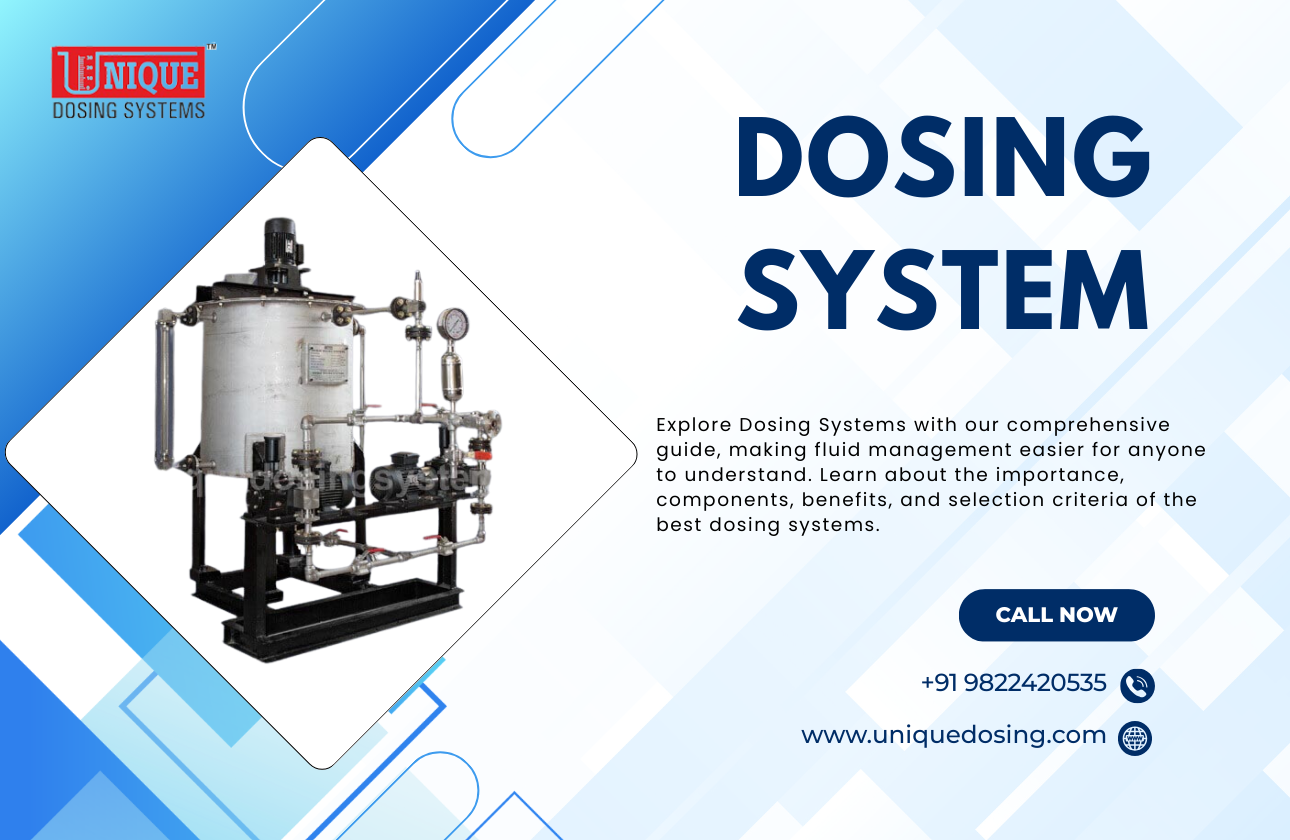
Each dosing system comprises several key components: the dosing pump, control unit, and a container for the fluid to be dosed. Together, these elements ensure that the right amount of chemical is delivered at the right time. The dosing pump is the core, driving the fluid into the system. Precision is critical here because a small error can lead to significant issues, particularly in sensitive industries like pharmaceuticals or water treatment.
Types of Dosing Systems
There are various types of dosing systems available, each designed for specific tasks. Common types include volumetric and gravimetric systems. Volumetric systems use a fixed volume for dosing, while gravimetric systems use weight. Each has its advantages, depending on the required precision and the nature of the substance being dosed. Understanding the differences is crucial for selecting the right system for a specific application.
Applications of Dosing Systems
Dosing systems are widely used across diverse fields. In agriculture, they help apply fertilizers and pesticides efficiently. In the food industry, they ensure ingredients are added accurately to recipes. Water treatment facilities rely on them to manage chemical additives. Each industry has specific requirements, so systems are often customized to meet precise operational needs. This flexibility makes dosing systems integral to several processes.
Benefits of Using Dosing Systems
One of the major benefits of using a dosing system is increased accuracy, which helps maintain high-quality standards in production. They also promote sustainability by reducing chemical wastage, thus lowering overall costs. Moreover, automation reduces manual labor, minimizing the risk of human error. By incorporating dosing systems, companies can achieve consistent product quality, which is essential for customer satisfaction and regulatory compliance.
Challenges and Considerations in Dosing Systems
While dosing systems offer numerous advantages, they come with challenges. Regular maintenance is crucial to prevent system failures. Calibration is another consideration, as systems need to be accurately calibrated to ensure correct dosing. Counters or sensors may require regular checks to ensure they function correctly. Understanding these challenges can help in choosing the right system and formulating an effective maintenance plan.
Future Trends in Dosing Systems
Technological advancements are rapidly transforming dosing systems. Automation and smart technologies are leading the charge, making systems more efficient and less labor-intensive. An increasing focus on sustainable practices is also driving innovations, encouraging the development of eco-friendly systems. Dosing systems' future will likely see more integration with digital platforms, allowing for remote monitoring and enhanced precision.
Frequently Asked Questions
1. What is a dosing system?
Answer: A dosing system is a mechanism used to dispense precise amounts of fluids or chemicals into a process. It's commonly used in industries like water treatment and food processing to ensure accuracy and efficiency.
2. How does a dosing pump work?
Answer: A dosing pump works by drawing a specific amount of liquid into its chamber and then injecting it into the system. This operation is controlled by a motor and a programmable control unit to ensure precision.
3. Why is regular maintenance important for dosing systems?
Answer: Regular maintenance guarantees that the dosing system operates effectively, prevents breakdowns, and ensures accuracy. It helps identify worn-out parts early, reducing the risk of system failure.
4. Can dosing systems reduce operational costs?
Answer: Yes, by ensuring precise chemical usage, dosing systems reduce waste, thus lowering operational costs. They also cut down manual labor and minimize errors, adding to savings.
5. What industries benefit the most from dosing systems?
Answer: Industries like agriculture, pharmaceuticals, water treatment, and food and beverage processing benefit greatly from dosing systems due to their need for precision and efficiency in operations.