Introduction to Dosing Pumps
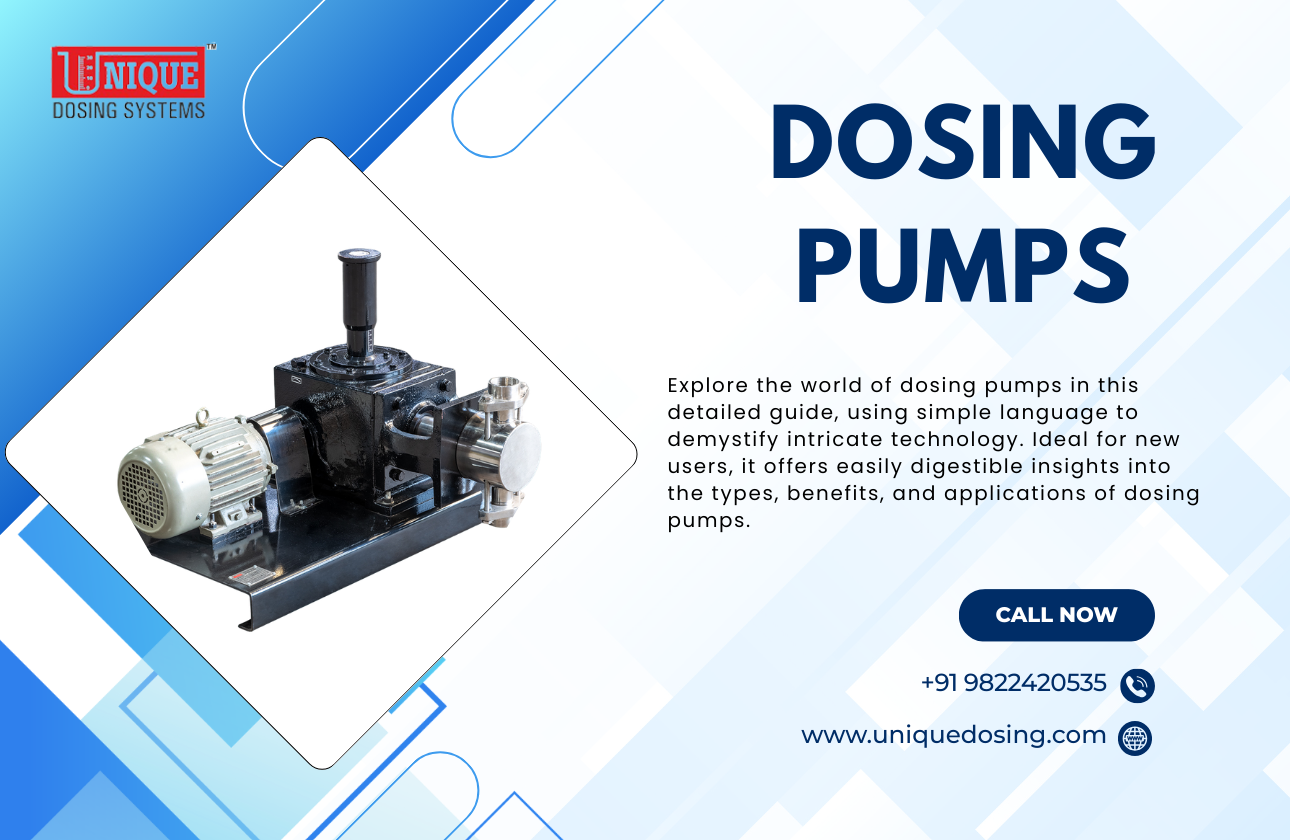
Dosing pumps are special devices used to inject a certain volume of liquid into a process stream on a consistent and controlled basis. They are vital in numerous industries, from water treatment to food production. The primary function of a dosing pump is to ensure that the right amount of liquid is added, minimizing waste and optimizing the performance of the system it’s part of. Whether you're a seasoned professional or new to the concept, understanding how dosing pumps work can help in making informed decisions.
Types of Dosing Pumps
There are various types of dosing pumps, each serving different purposes. Diaphragm pumps, peristaltic pumps, and piston pumps are the most common. Diaphragm pumps use a diaphragm, piston pumps use a piston, and peristaltic pumps use rollers to move the liquid. Each of these types offers unique advantages like precision, reliability, and suitability for handling different fluids. Choosing the right type depends on the specifics of the application, including the viscosity of the fluid and the precision required.
Benefits of Using Dosing Pumps
Dosing pumps bring numerous benefits to any process. One of the primary advantages is their accuracy in administering precise amounts of liquid, crucial in processes where consistency is important. This precision helps save on costs by reducing waste. Furthermore, these pumps can handle a wide range of fluids, including chemicals, making them versatile tools in many sectors. Also, most dosing pumps are designed for durability, providing long-term service with minimal maintenance.
Applications of Dosing Pumps
Dosing pumps are used across a variety of industries due to their precision and versatility. In the healthcare sector, they accurately deliver medications. In agriculture, they help dose fertilizers and pesticides. Meanwhile, in the water treatment industry, they are essential for injecting chemicals that purify water. The common thread in these applications is the necessity for precision and regularity, both of which are hallmarks of dosing pumps.
How to Choose the Right Dosing Pump
Selecting the right dosing pump requires considering several factors like the type of liquid being used, the required flow rate, and the operating environment. Research and consultation can lead you to pick the most effective solution. For more information on choosing manufacturers, diving into detailed reviews and guides can be immensely helpful in making an informed decision.
Installation and Maintenance of Dosing Pumps
Proper installation is key for the efficient operation of dosing pumps. Installing them according to the manufacturer's specifications can prevent common issues. Regular maintenance, like checking for blockages and leakages and ensuring the settings are correctly configured, can prolong their lifespan and efficiency. Following a disciplined maintenance schedule can help you get the most out of your dosing pump.
Challenges in Using Dosing Pumps
Despite their benefits, dosing pumps can face issues such as clogging, leakage, and unsteady flow. To minimize these challenges, using the right type of pump for the specific application is crucial. Additionally, understanding the system and environmental factors where the pump is used can help in preempting problems. Education on these points can save both time and money in the long run.
Frequently Asked Questions
1. What liquids can dosing pumps handle?
Answer: Dosing pumps can handle a wide range of liquids, including acids, bases, alkanes, water, oils, and other chemicals. The choice of pump depends on the viscosity and chemical compatibility of the fluid with the pump materials.
2. Are dosing pumps difficult to maintain?
Answer: While regular maintenance is necessary, dosing pumps are generally not difficult to maintain. Keeping a schedule for checks ensures longevity and efficient performance.
3. How do I select the right dosing pump for my needs?
Answer: Consider factors like the fluid type, needed precision, flow rate, and manufacturer recommendations. Consulting detailed guides or industry professionals can help in selecting the most suitable pump.
4. Can dosing pumps be used for food and beverage applications?
Answer: Yes, there are dosing pumps designed specifically for the food and beverage industry, ensuring hygiene standards and precision needed for safe consumption.
5. What is the lifespan of a dosing pump?
Answer: The lifespan varies depending on usage, maintenance, and the type of fluids handled, but a well-maintained dosing pump can last several years, providing consistent and reliable performance.