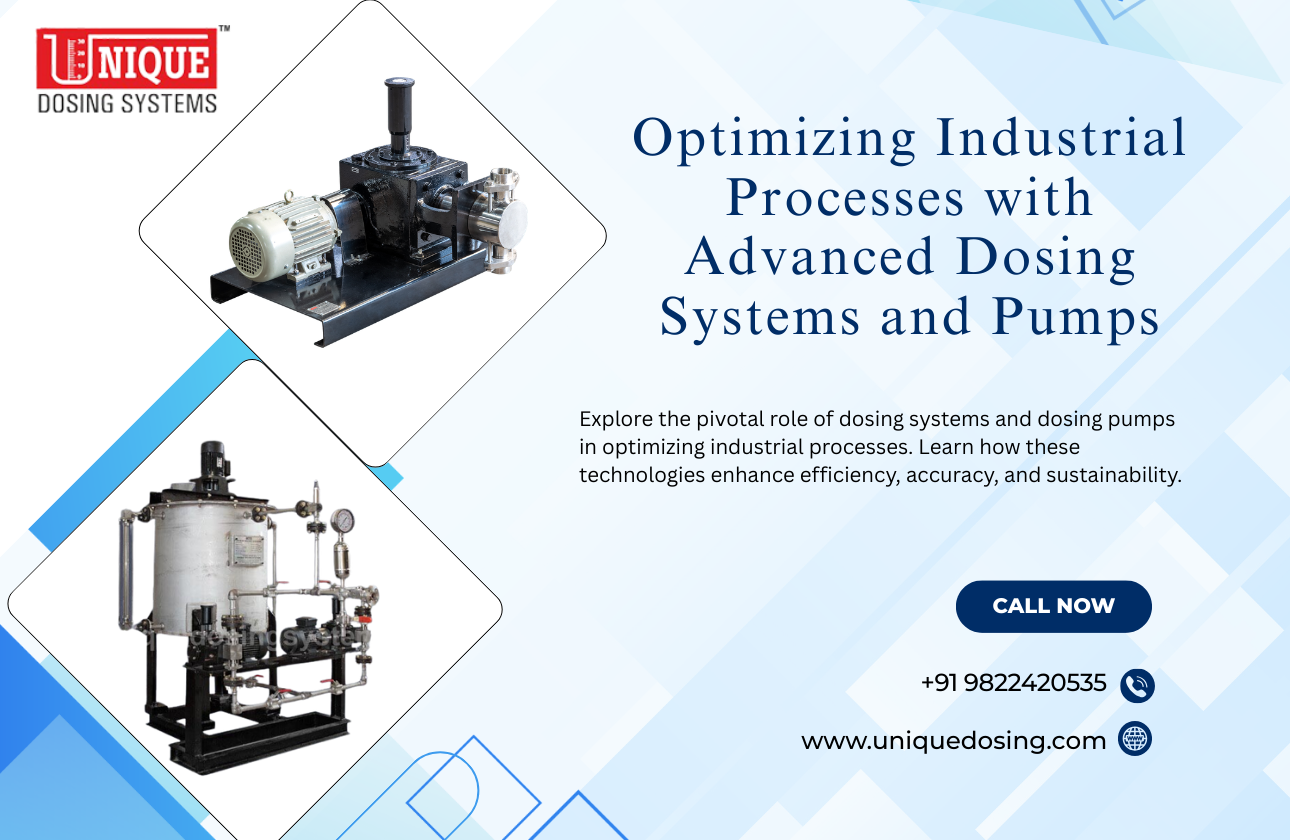
Optimizing Industrial Processes with Advanced Dosing Systems and Pumps
In today's fast-paced industrial environment, precision and efficiency have become more critical than ever. Dosing systems and dosing pumps play a pivotal role in achieving these objectives, offering accuracy, reliability, and sustainability for a myriad of applications. In this article, we delve into how these advanced technologies are transforming industries worldwide.
Understanding Dosing Systems
A dosing system is an integral component in various industries, responsible for accurately measuring and delivering a specific quantity of substances or chemicals. These systems are crucial in applications ranging from water treatment and chemical manufacturing to food processing and pharmaceuticals. The core components of a dosing system typically include a pump, control system, and storage tank, all designed to deliver precise quantities consistently and efficiently.
The Role of Dosing Pumps
Dosing pumps, the driving force behind effective dosing systems, are mechanical devices engineered to move fluids with high precision. These pumps vary in design and operation but are primarily categorized into diaphragm, peristaltic, piston, and progressive cavity pumps. Each type is selected based on the specific needs of the application, considering factors such as fluid viscosity, pressure, and required flow rate.
Key Benefits of Using Dosing Systems and Pumps
Enhanced Accuracy and Precision
One of the primary advantages of modern dosing systems and pumps is their ability to deliver substances with unparalleled accuracy. This precision is vital for processes that require exact dosing to ensure product quality and safety, such as in pharmaceutical manufacturing or chemical processing.
Increased Efficiency and Productivity
Automated dosing systems minimize the need for manual intervention, reducing the likelihood of human error. This automation translates into improved operational efficiency, allowing for faster production cycles and better resource management.
Sustainability and Cost-effectiveness
By ensuring the exact amount of substance is used, dosing systems help in minimizing waste, contributing to sustainability efforts and reducing operational costs. This precision also means fewer corrections and reworks, further enhancing cost-effectiveness.
Safety and Compliance
In industries where handling hazardous chemicals is common, dosing systems ensure that substances are managed safely and in compliance with industry regulations, safeguarding workers and the environment.
Applications Across Industries
Dosing systems and pumps are utilized across a diverse range of industries. In the water treatment sector, they are essential for precise chemical dosing, ensuring safe and potable water. In agriculture, they support the efficient use of fertilizers and pesticides. The food and beverage industry relies on these systems for adding flavors, colors, and preservatives accurately, while pharmaceutical companies use them to maintain stringent standards for drug formulation.
Future Trends in Dosing Technology
As technology continues to advance, the future of dosing systems and pumps looks promising. The integration of smart technologies, IoT, and advanced sensors is set to enhance their functionality, offering real-time monitoring, predictive maintenance, and greater control over dosing precision.
In conclusion, dosing systems and pumps are essential tools that provide accuracy, efficiency, and safety across various industrial applications. As industries continue to evolve, investing in advanced dosing technology will be a key driver for innovation and sustainability.
Published on January 8, 2026 by Admin