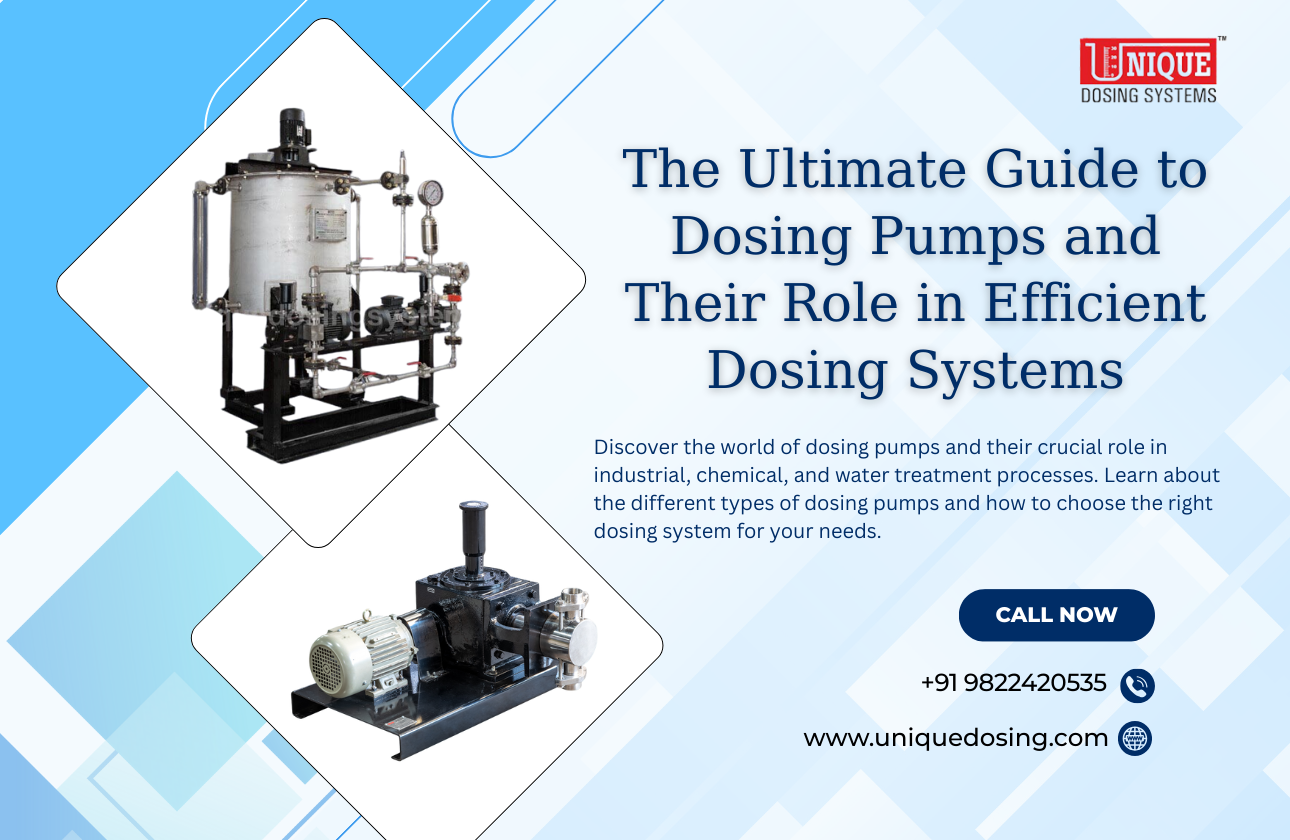
The Ultimate Guide to Dosing Pumps and Their Role in Efficient Dosing Systems
In today's fast-paced industrial and commercial environments, precision is key. Whether managing chemical feed systems or ensuring proper wastewater treatment, dosing pumps play a vital role in maintaining efficiency and accuracy. In this comprehensive guide, we’ll explore what dosing pump are, their benefits, and how to choose the right dosing system for your applications.
What Are Dosing Pumps?
Dosing pumps are a type of positive displacement pump used to inject a precise amount of liquid into a dosing system. They are widely employed in industries such as chemical manufacturing, food processing, water treatment, and pharmaceuticals, among others. The ability to deliver chemicals at accurate dosages is crucial for the safety and effectiveness of many applications.
Types of Dosing Pumps
There are several types of dosing pumps, each tailored to specific needs:
- Diaphragm Dosing Pumps: Utilize a diaphragm driven by mechanical or hydraulic means to displace liquid. They are known for their accurate delivery and capability to handle corrosive liquids.
- Piston Dosing Pumps: Typically used in high-pressure applications, they operate by using a piston to move liquid. Despite being robust, they may not be suitable for shear-sensitive liquids.
- Peristaltic Dosing Pumps: Use rotating rollers to compress a flexible tube, advancing the liquid within. They are ideal for applications needing a clean and contaminant-free flow due to minimal parts in contact with the liquid.
Benefits of Modern Dosing Systems
Integrating a dosing pump into a dosing system offers numerous advantages:
- Accuracy: Modern dosing pumps can deliver precise volumes, ensuring consistency and reducing waste.
- Versatility: Suitable for various industries, they can handle different fluids, including acids, bases, and viscous solutions.
- Automation: Advanced systems offer automated controls, allowing for integration with digital monitoring systems for real-time adjustments and reporting.
- Cost-Efficiency: By reducing human error and minimizing excess chemical usage, dosing systems lower operational costs.
Choosing the Right Dosing Pump for Your System
Selecting the correct dosing pump involves a thorough understanding of your application requirements. Considerations include:
- Flow Rate: Determine the necessary flow rate for your process to ensure the pump can handle the desired volume.
- Fluid Characteristics: Assess the properties of the fluid to be processed, such as viscosity, corrosiveness, and temperature.
- System Pressure: The pump must be capable of operating at the system's pressure level.
- Material Compatibility: Choose materials suited for the chemicals in use to avoid degradation and ensure longevity.
Conclusion
Dosing pumps are indispensable in industries requiring precise chemical dispensation. By understanding the types and functionalities of these pumps, businesses can enhance their operational efficiencies, ensuring reliability and safety across applications. When investing in a dosing system, consider your specific needs to select the optimal pump that aligns with your operational goals.
If you're looking to upgrade your current system or need expert advice on selecting the right dosing pump, contact us today for tailored solutions that meet your unique industrial requirements.