
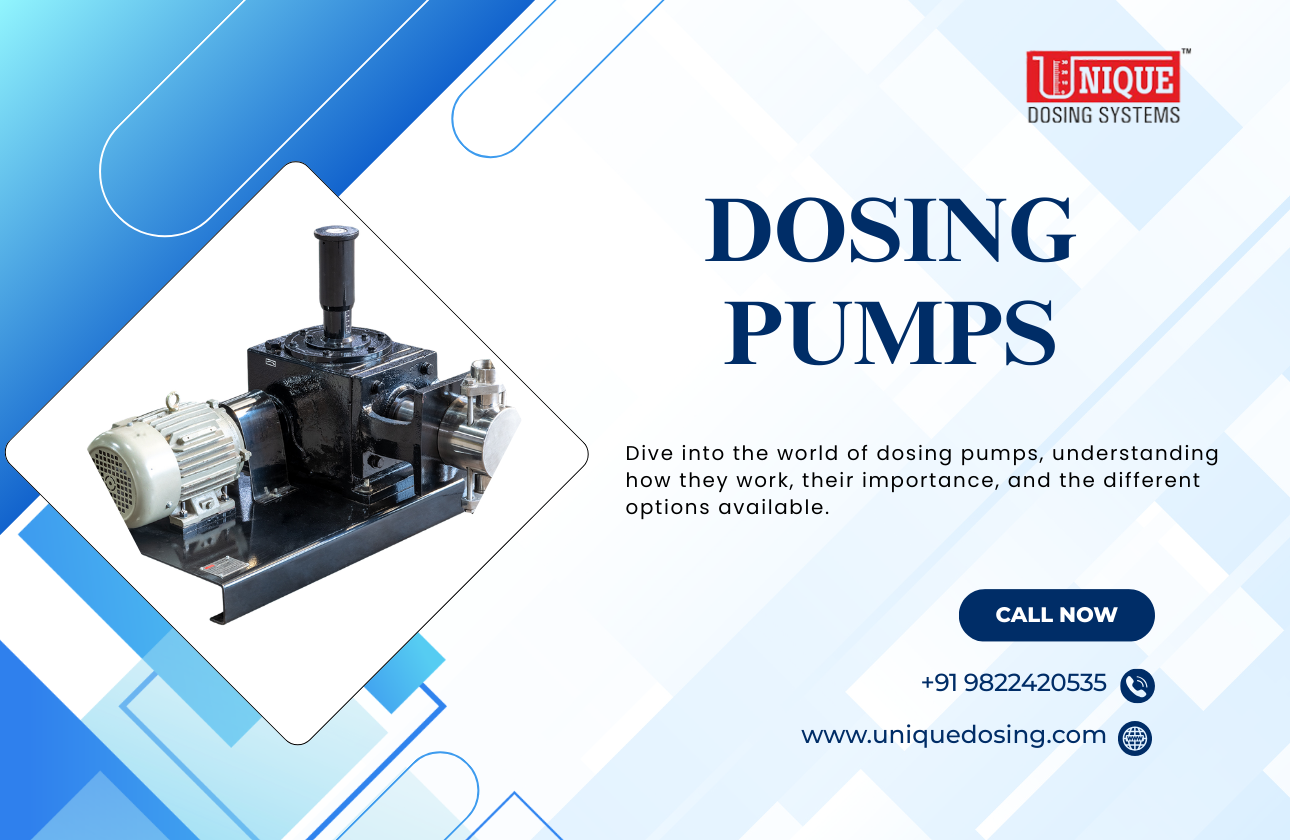
What Are Dosing Pumps?
Dosing pumps are small, precision-controlled pumps that are designed to deliver exact amounts of fluid into a process stream. They are essential in industries where maintaining the right chemical balance is paramount. Whether it's for water treatment, food manufacturing, or pharmaceutical production, dosing pumps ensure that precise quantities of chemicals are blended to achieve optimal results. These pumps can handle a wide range of fluids, including acids, bases, and viscous liquids. They are valued for their accuracy and reliability, reducing waste and improving process efficiency.
How Do Dosing Pumps Work?
Operating a dosing pump revolves around controlling the flow rate of a particular fluid. This is typically achieved through either a diaphragm or peristaltic mechanism. In a diaphragm pump, a flexible diaphragm is moved forward and backward, forcing the liquid out of the pump at a controlled rate. Peristaltic pumps, on the other hand, use rollers to squeeze the fluid through a flexible tube. Both these methods allow the pump to deliver fluids with high precision and repeatability. The ability to adjust the flow rate makes dosing pumps versatile tools in various industries.
The Importance of Dosing Pumps in Industries
Dosing pumps play a critical role in many industries by enhancing efficiency and product quality. For instance, in water treatment processes, these pumps help in managing the pH level and disinfectant concentration, ensuring clean and safe water. In the food industry, maintaining the precise mix of ingredients can impact the taste and quality of the final product. Similarly, in pharmaceuticals, dosing pumps are used to handle sensitive fluids that require exact dosages.
Types of Dosing Pumps
There are several types of dosing pumps available, each designed for specific applications. Diaphragm dosing pumps are ideal for handling corrosive substances, as they prevent the liquid from coming into contact with the pump components. Peristaltic pumps are well-suited for shear-sensitive fluids because they use gentle pumping motions. Gear pumps, on the other hand, are used for transferring viscous fluids with precision. Choosing the right type depends on the nature of the fluid and the specific industry requirements.
Choosing the Right Dosing Pump
Selecting the appropriate dosing pump involves understanding the nature of your application. Consider factors such as the type of fluid, required flow rate, and the environmental conditions in which the pump will operate. A wide range of pumps is designed to meet different industrial needs. For those unsure of their requirements, it's advisable to consult with experts or read detailed guides such as the Unique Dosing blog to gain insights into choosing the right equipment.
The Technology Behind Dosing Pumps
Dosing pumps have evolved significantly due to advancements in technology. Today, many modern pumps are equipped with digital controls that allow for precise adjustments and monitoring of the dosing process. Some models even integrate with computer systems for remote operation and improved data management. By incorporating smart technology, these pumps can offer features like auto-calibration and error notification, enhancing their functionality and reliability.
Frequently Asked Questions
1. What maintenance do dosing pumps require?
Answer: Regular maintenance is crucial for the longevity of dosing pumps. This typically involves checking and replacing worn-out components, ensuring the pump is clean, and verifying that all parts are functioning correctly. It's advisable to follow the manufacturer's guidelines for maintenance schedules.
2. Can dosing pumps handle corrosive substances?
Answer: Yes, many dosing pumps are specifically designed to handle corrosive fluids. Diaphragm pumps, in particular, are a popular choice for such applications because they use materials that resist chemical attacks.
3. How is the flow rate of a dosing pump controlled?
Answer: The flow rate in a dosing pump can be controlled by adjusting the stroke length or the motor speed. Modern dosing pumps often include digital controls for precise and easy adjustment.
4. What industries most commonly use dosing pumps?
Answer: Dosing pumps are widely used in industries such as water treatment, food and beverage, pharmaceuticals, and chemical manufacturing. They are essential for processes that require precise fluid handling.
5. Are there eco-friendly options for dosing pumps?
Answer: Yes, many dosing pumps are designed with energy efficiency in mind. These models consume less power and are often constructed with eco-friendly materials, aligning with sustainable operational goals.