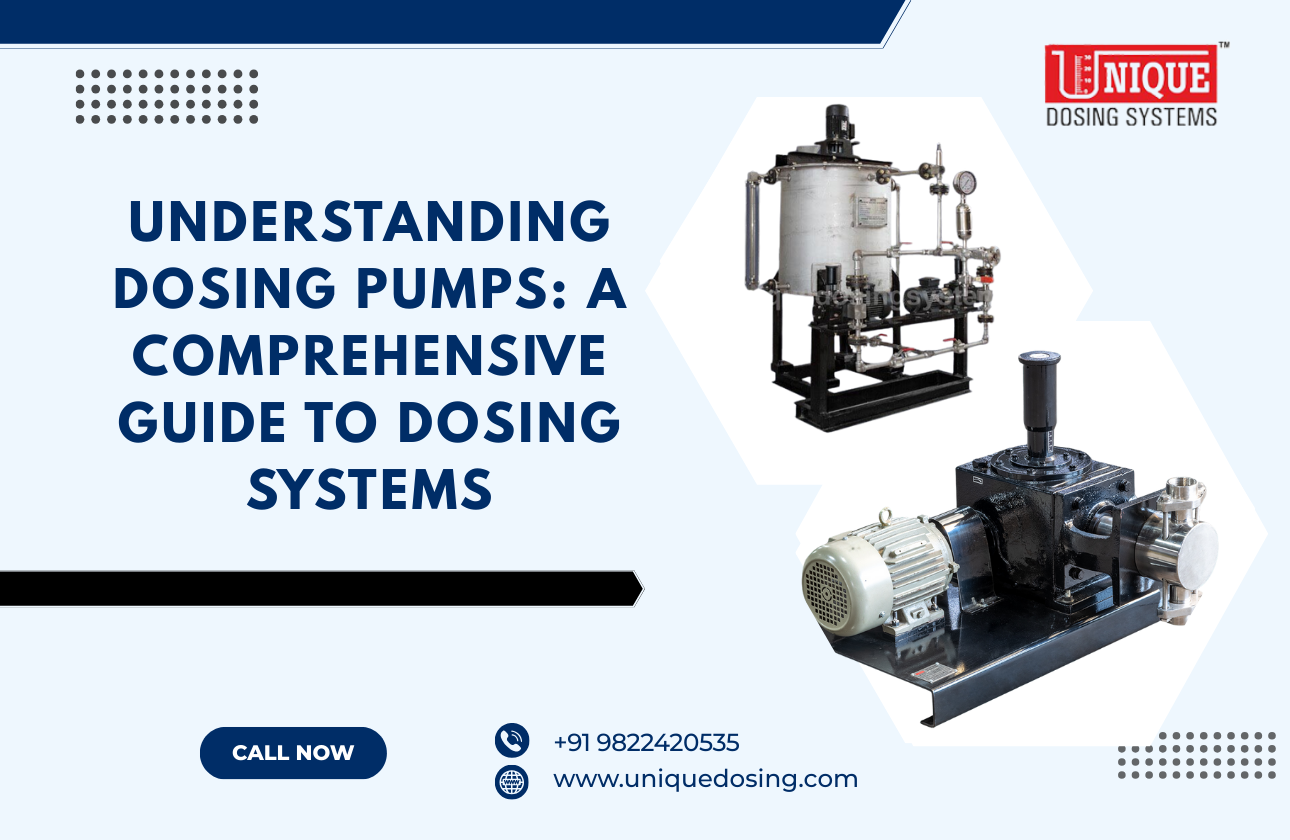
Understanding Dosing Pumps: A Comprehensive Guide to Dosing Systems
Dosing pumps are specialized equipment used across various industries for the precise delivery of liquids. These pumps play a vital role in sectors ranging from water treatment to chemical manufacturing, ensuring accuracy and consistency in the addition of fluids. This article delves into the intricacies of dosing pumps and dosing systems, exploring their applications, types, and benefits.
What Are Dosing Pumps?
Dosing pumps are positive displacement pumps designed to dispense a defined volume of liquid or chemical in a controlled manner. They are integral components of dosing systems, ensuring precision and efficiency in various industrial and commercial processes. Whether it’s controlling the pH levels in a swimming pool or ensuring the right amount of disinfectant in water treatment, dosing pumps are essential.
Types of Dosing Pumps
- Diaphragm Pumps: These are the most common type of dosing pump, utilizing a diaphragm, piston, and valves to move fluid.
- Peristaltic Pumps: These pumps use rollers and a flexible tube to transfer liquids, ideal for chemical and food applications.
- Piston Pumps: Known for high-pressure capabilities, these pumps are often used in heavy-duty applications.
Applications of Dosing Systems
Dosing systems find their application in numerous industries, such as:
- Water Treatment: Maintaining proper chemical balances in water systems to ensure safe consumption and use.
- Food and Beverage: Accurate flavoring, coloring, and preservative addition to enhance product quality and consistency.
- Pharmaceuticals: Precise dosing in drug manufacturing processes to ensure stringent regulatory compliance.
- Agriculture: Automated fertilizer and pesticide application systems to optimize crop yields.
Benefits of Using Dosing Pumps and Systems
The primary advantages of using dosing pumps include:
- Precision: They offer unmatched accuracy in liquid distribution, crucial for maintaining process quality.
- Efficiency: Automation reduces wastage and dosing systems improves resource management.
- Reliability: Built for longevity, they reduce maintenance needs and downtime.
- Flexibility: Suitable for a wide range of fluids, from viscous liquids to aggressive chemicals.
Choosing the Right Dosing Pump
When selecting a dosing pump, consider the following factors:
- Flow Rate: Ensure the pump can deliver the necessary volume for your specific application.
- Pressure Requirements: Match the pump's capacity with system pressure needs.
- Chemical Compatibility: Confirm materials of construction are suitable for the chemicals used.
- Control Options: Evaluate available options for automation and remote monitoring.
Conclusion
Dosing pump are a cornerstone of industrial fluid management, providing accurate, efficient, and reliable solutions across various applications. Whether for water treatment, pharmaceuticals, or agriculture, the proper implementation of dosing systems can significantly enhance operational performance and sustainability. As industries continue to prioritize precision and efficiency, the role of dosing pumps will undoubtedly expand, making them an essential component in the toolbox of modern industrial processes.
Published on January 2, 2026 by Admin