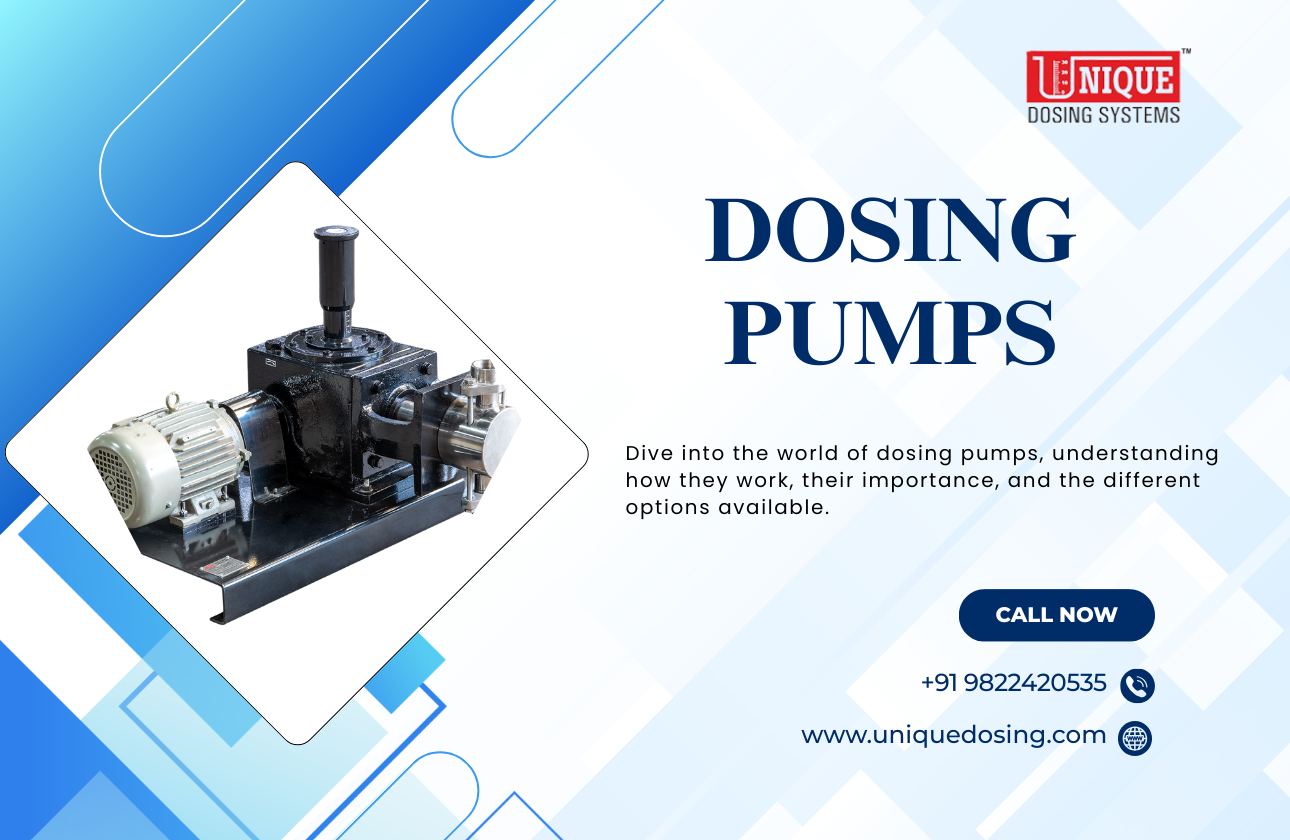
What is a Dosing Pump?
Dosing pumps are specialized devices designed to accurately dispense fluids at specific flow rates, essential in a variety of applications. These might include adding flavors to foods, disinfecting water, or introducing chemicals into an industrial process. Their precision makes them ideal for tasks where consistency is crucial. By using a dosing pump, industries can ensure the right amount of fluid is released, reducing waste and improving product quality.
How Do Dosing Pumps Work?
The operation of a dosing pump is straightforward yet sophisticated. It uses a motor to drive a pump head that pushes a precise volume of liquid from a reservoir. You can set these pumps to dispense fluids continuously or in set quantities at timed intervals. This versatility allows them to suit various needs, from healthcare to agriculture. For an in-depth look at how these pumps work, consider reading this guide.
Applications of Dosing Pumps
Dosing pumps are used across many sectors. In agriculture, they help in delivering fertilizers and pesticides accurately, enhancing crop yields. In the healthcare field, they ensure precise delivery of medications, crucial for patient safety. Water treatment industries rely on them for adding specific chemicals to purify water. This flexibility and precision make them indispensable in improving processes and outcomes.
Benefits of Using Dosing Pumps
The main advantage of dosing pumps is their precision, which reduces waste and cost. By delivering exact amounts, they help maintain consistency in product quality. Additionally, they are reliable and can operate continuously without significant downtime, making them particularly valuable in settings that demand round-the-clock operations. If you're considering investing, learn more here.
Choosing the Right Dosing Pump
Selecting the correct dosing pump involves understanding your specific requirements, including the type of fluid, required flow rate, and pressure. It's important to match pump capabilities with these factors to ensure efficient operation. For businesses looking to find the right fit, there are guides available to aid in this decision-making process.
Maintaining Your Dosing Pump
Regular maintenance is crucial for the long-term efficiency of dosing pumps. Routine checks and cleaning are necessary to prevent clogs and ensure the pump runs smoothly. Replacing parts like seals and diaphragms periodically can extend the pump's life. Establishing a maintenance schedule will help avoid unexpected failures and costly downtimes.
Frequently Asked Questions
1. What industries commonly use dosing pumps?
Answer: Dosing pumps are widely used in industries such as food and beverage, pharmaceuticals, agriculture, and water treatment for their precision in fluid handling.
2. Are dosing pumps easy to install?
Answer: Yes, most dosing pumps come with straightforward installation guides. However, for complex systems, professional installation might be recommended to ensure optimal performance.
3. How do I determine the correct pump size for my needs?
Answer: To select the correct size, consider the type of fluid, required flow rate, and system pressure. Consulting with a manufacturer or using resources from industry experts can help in making the right choice.
4. How often should a dosing pump be maintained?
Answer: Regular maintenance should be done according to the manufacturer's guidelines, typically ranging from monthly checks to yearly part replacements, based on usage intensity.
5. Can dosing pumps handle all types of fluids?
Answer: While dosing pumps are versatile, some models are designed for specific types of fluids (e.g., corrosive, viscous, or particulate-laden). It's essential to choose a pump that matches the properties of the fluid in use.