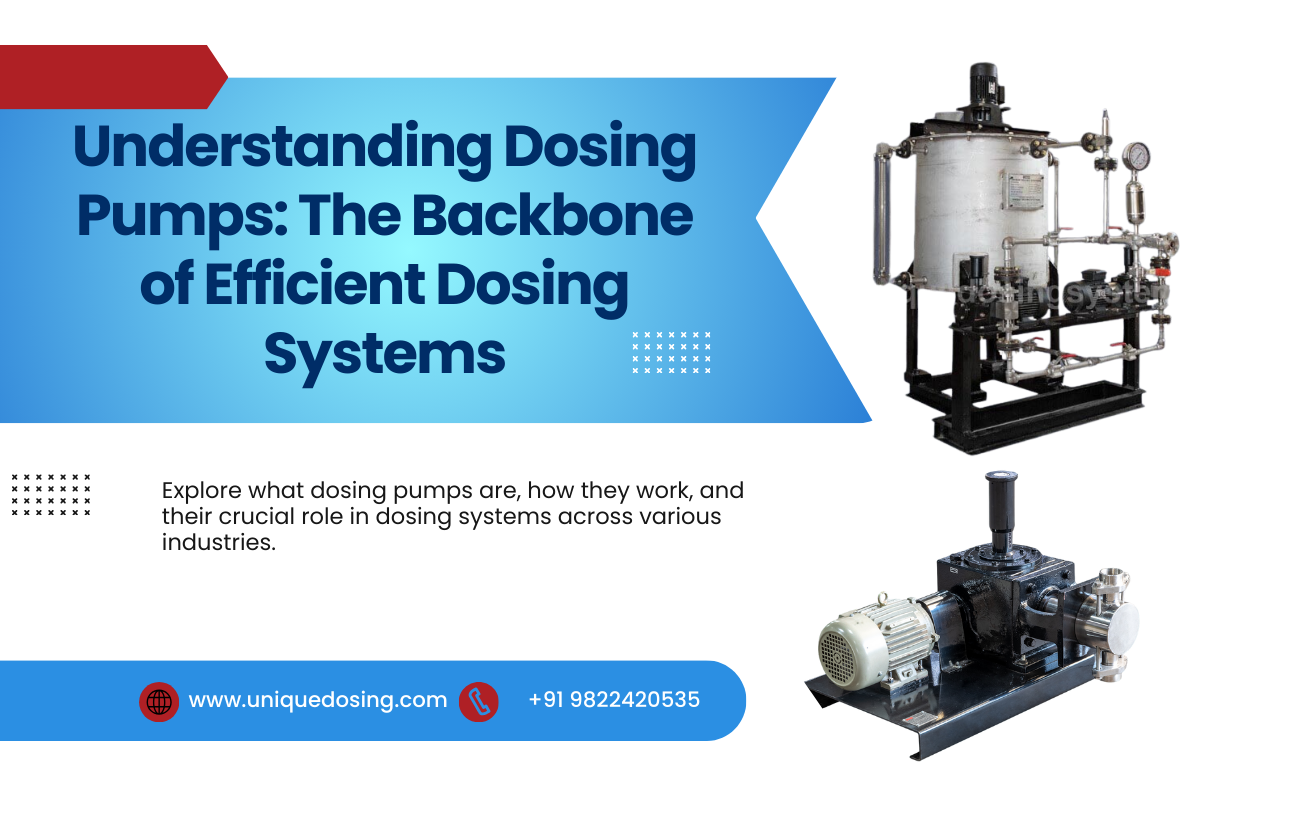
In the world of fluid management, dosing pumps play a pivotal role. Essential across numerous industries, these pumps ensure precise and controlled dosing of chemicals or fluids. Whether in water treatment, pharmaceuticals, or food processing, understanding how dosing pumps and dosing systems work can significantly enhance operational efficiency.
What is a Dosing Pump?
A dosing pump is categorized as a small displacement pump designed to inject a chemical or another substance into a flow of water, gas, or steam. These pumps are engineered to move a measured liquid chemical at a precise flow rate, ensuring consistency in applications such as water disinfection, pH regulation, and more.
How Dosing Pumps Work
Dosing pumps function by utilizing a motor-driven diaphragm, piston, or peristaltic valve mechanism. This allows for the accurate delivery of liquid mediums in small doses, typically either through speed control or adjusting the volume of each stroke. As a central component of comprehensive dosing systems, these pumps can be fine-tuned to accommodate virtually any set of operational parameters needed.
Applications of Dosing Pumps and Systems
Industries as diverse as agriculture, food production, chemical manufacturing, and wastewater treatment consistently rely on dosing pumps for reliable fluid management.
- Water Treatment: Dosing pumps ensure the precise integration of disinfectants and pH adjusters in municipal and industrial water systems.
- Agriculture: In agricultural settings, dosing systems regulate the distribution of fertilizers and pesticides, optimizing crop yield while minimizing environmental impact.
- Pharmaceuticals: Dosing pumps play a crucial role in the accurate distribution of chemical compounds essential for drug development and production.
Benefits of Using Dosing Systems
The efficiency and adaptability of dosing systems make them indispensable in various processes. Here are some benefits:
- Precision: Ensures the exact amount of chemical is delivered, reducing waste and improving consistency.
- Safety: Minimizes human contact with hazardous substances, enhancing workplace safety.
- Cost-Effective: Reduces the overall chemical usage and associated costs by minimizing overdosing and waste.
Choosing the Right Dosing Pumps
When selecting dosing pumps, it's crucial to consider factors including the chemical properties of the media, required flow rate, pressure conditions, and the specific needs of your process. Consulting with manufacturers and suppliers can provide insights into custom solutions tailored to your unique set of challenges and objectives.
Dosing systems they support are integral to modern industrial applications. Understanding their function and benefits can drive improvements in efficiency, safety, and cost management, making these devices indispensable tools in today's complex operational environments.
If you need help selecting the best dosing system for your needs, reach out to experienced professionals who can guide you towards the most effective solution.
Published on January 5, 2026 by Admin