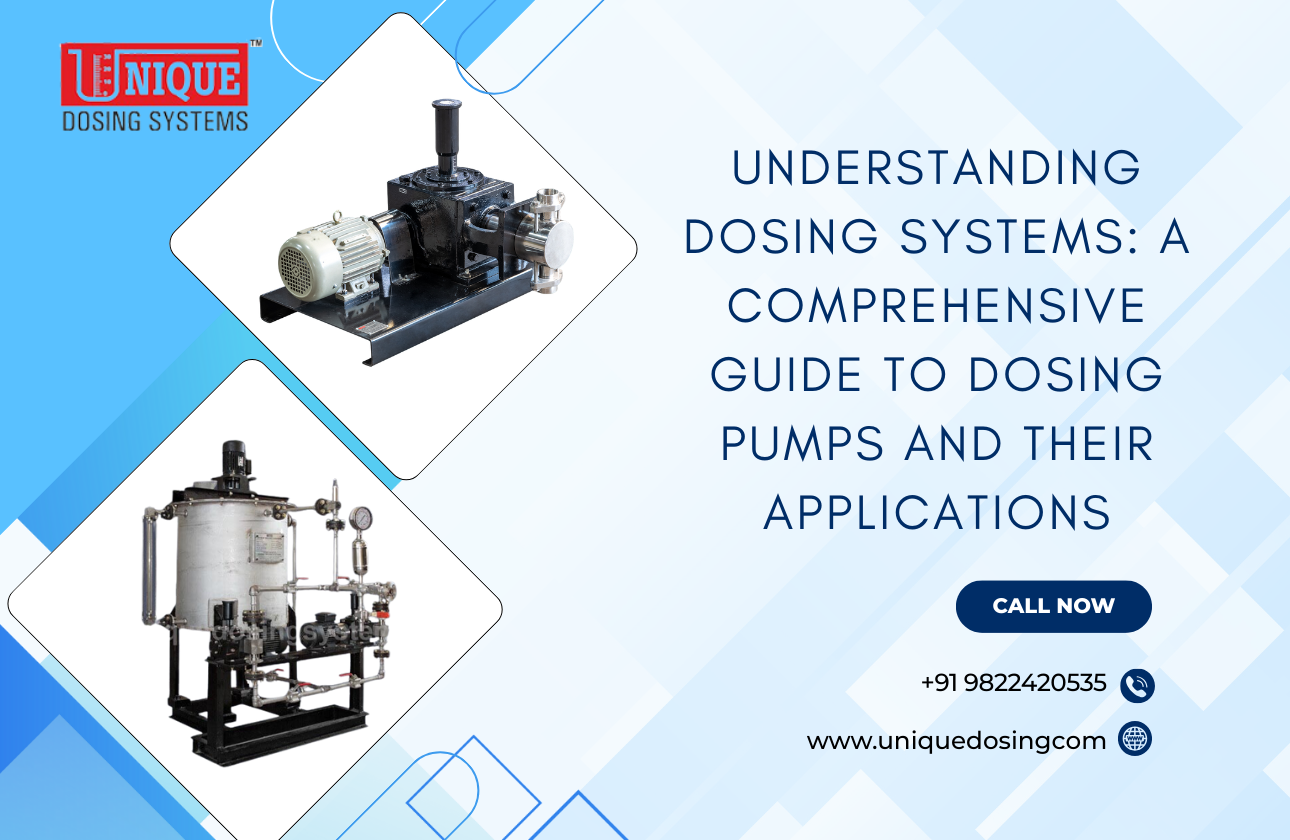
Understanding Dosing Systems: A Comprehensive Guide to Dosing Pumps and Their Applications
In today's rapidly evolving industrial landscape, precision and efficiency are more critical than ever. Enter dosing systems – a cornerstone technology that ensures accuracy and consistency across various applications. Whether you're a seasoned professional or a newcomer, this guide will help you understand the intricacies of dosing systems, particularly focusing on the role of dosing pumps in these setups.
What is a Dosing System?
A dosing system is a combination of components engineered to deliver precise quantities of a substance into a process or system. These systems are utilized across diverse industries, including water treatment, chemical processing, food and beverage, pharmaceuticals, and many others, to manage quantities accurately and promote efficiency.
The Role of Dosing Pumps in Dosing Systems
Dosing pump are an integral component of any dosing system. These specialized pumps are designed to provide a precise flow of liquid – often a chemical or a mixture – into another fluid stream, reactor, or process. Unlike standard pumps that are primarily focused on high flow rates, dosing pumps prioritize precision and controlled flow.
How Dosing Pumps Work
Dosing pumps typically operate by drawing a predefined volume of chemical into their chamber before expelling it at a controlled rate. This ensures that the desired chemical concentration is maintained in the process. Advanced dosing pump come equipped with user-friendly interfaces for easy calibration and monitoring, ensuring adherence to the strictest standards of quality and safety.
Key Benefits of Dosing Systems
- Precision and Accuracy: Dosing systems are designed to deliver exact amounts of a chemical, reducing the risk of overuse or wastage.
- Efficiency: These systems optimize resource use, resulting in cost savings and sustainable practices.
- Versatility: From handling various types of chemicals to adapting to different industrial processes, the versatility of dosing systems offers a wide range of applications.
- Safety: Automated dosing reduces the need for manual intervention, thereby lowering the risk of accidents due to human error.
Applications of Dosing Systems
The applications of dosing systems are vast. In the water treatment industry, they are used to add disinfectants. In chemical processing, precise dosing can affect reaction outcomes and product characteristics. In the food and beverage industry, dosing pumps ensure flavor consistency and product quality.
Choosing the Right Dosing Systems
Selecting an appropriate dosing systems requires a comprehensive understanding of your process requirements. Considerations include the nature of the chemicals being dosed, required flow rates, operating conditions, and integration with existing systems. Consulting with specialists in dosing technology can provide valuable insights and help tailor a solution to your specific needs.
Conclusion
Dosing systems, and in particular, dosing pumps, are pivotal in advancing industrial efficiency and safety. By ensuring the accurate and controlled introduction of substances into a process, these systems uphold quality, boost productivity, and contribute to cost-effectiveness. As technology continues to advance, the role of dosing systems will undoubtedly expand, meeting the needs of increasingly complex industrial environments.
Have you integrated dosing systems into your processes? Share your experiences and insights below!