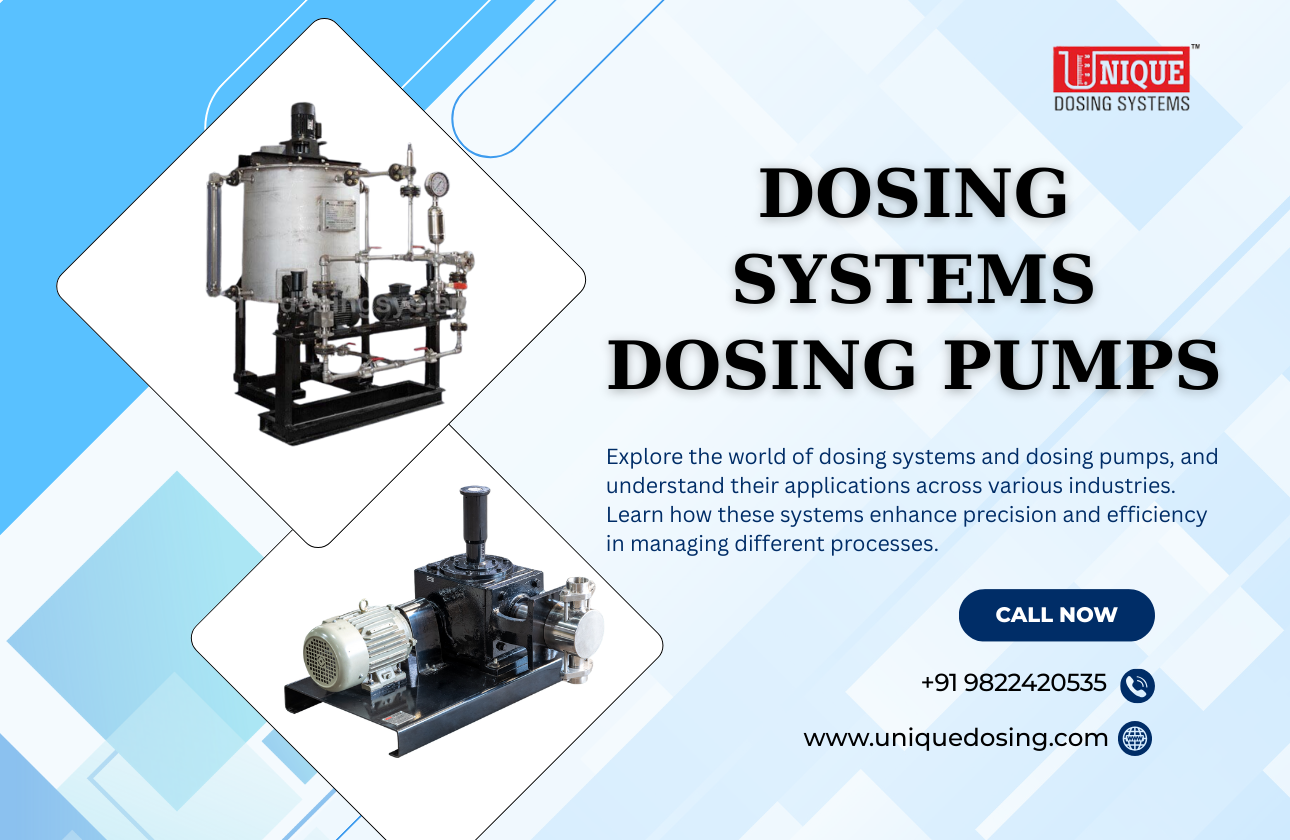
Understanding Dosing Systems: Essential Insights into Dosing Pumps and Their Applications
In the realm of industrial automation and process control, dosing systems play a crucial role across various sectors. If you have ever wondered how precise amounts of liquids, chemicals, or other substances are consistently delivered in industrial settings, it's time to delve into the essential world of dosing systems and dosing pumps. This article will explore their key components, applications, and the benefits they bring to different industries.
What is a Dosing System?
A dosing system is an automated setup that accurately measures and delivers controlled amounts of a substance into a process. Typically involved in chemical and water treatment industries, these systems ensure the precise introduction of liquids to achieve the desired outcomes, improving process efficiency and consistency.
Components of a Dosing System
A typical dosing system comprises several components designed to work harmoniously for optimal performance:
- Dosing Pumps: At the heart of any dosing system is the dosing pump, responsible for delivering the precise volume of liquid at specified intervals. Different types, such as diaphragm, peristaltic, or piston pumps, are chosen based on the specific requirements of the application.
- Control Units: These electronic gadgets manage the operational parameters of the dosing system, including the frequency and volume of doses. Modern systems even incorporate IoT for increased connectivity and control.
- Storage Tanks: Specialized tanks store the chemicals or liquids to be dosed, ensuring a steady supply throughout the process.
Applications of Dosing Pumps
The versatility of dosing pumps makes them indispensable across various industries:
- Water Treatment: In wastewater treatment, dosing pumps introduce specific chemicals that help in purifying the water, such as chlorine or pH regulators.
- Food and Beverage: Ensuring product consistency and safety, these pumps accurately inject flavors, preservatives, and colorants into products.
- Pharmaceuticals: Dosing pumps facilitate precise drug formulations by dispensing exact chemical quantities needed for production.
Benefits of Implementing Dosing Systems
The appeal of dosing systems extends beyond precision. Here are some of the significant advantages:
- Enhanced Accuracy: Minimize human error and achieve exact quantification, ensuring quality and compliance with regulatory standards.
- Cost Efficiency: With reduced waste and optimized use of materials, companies can see substantial cost savings.
- Operational Flexibility: Dosing systems can be tailored to diverse applications, allowing seamless integration into various operational scales.
Final Thoughts
Dosing systems and their integral part, dosing pumps, are pillars of precision in various industries. Their ability to accurately measure and dispense liquids not only ensures product quality but also enhances overall operational efficiency. As industries continue to advance, the adoption of cutting-edge dosing technology will play a pivotal role in sustaining innovation and competitiveness. Whether you are in manufacturing, pharmaceuticals, or water treatment, harnessing the power of dosing systems can bring measurable improvements to your processes.
Published on January 6, 2026 by Admin