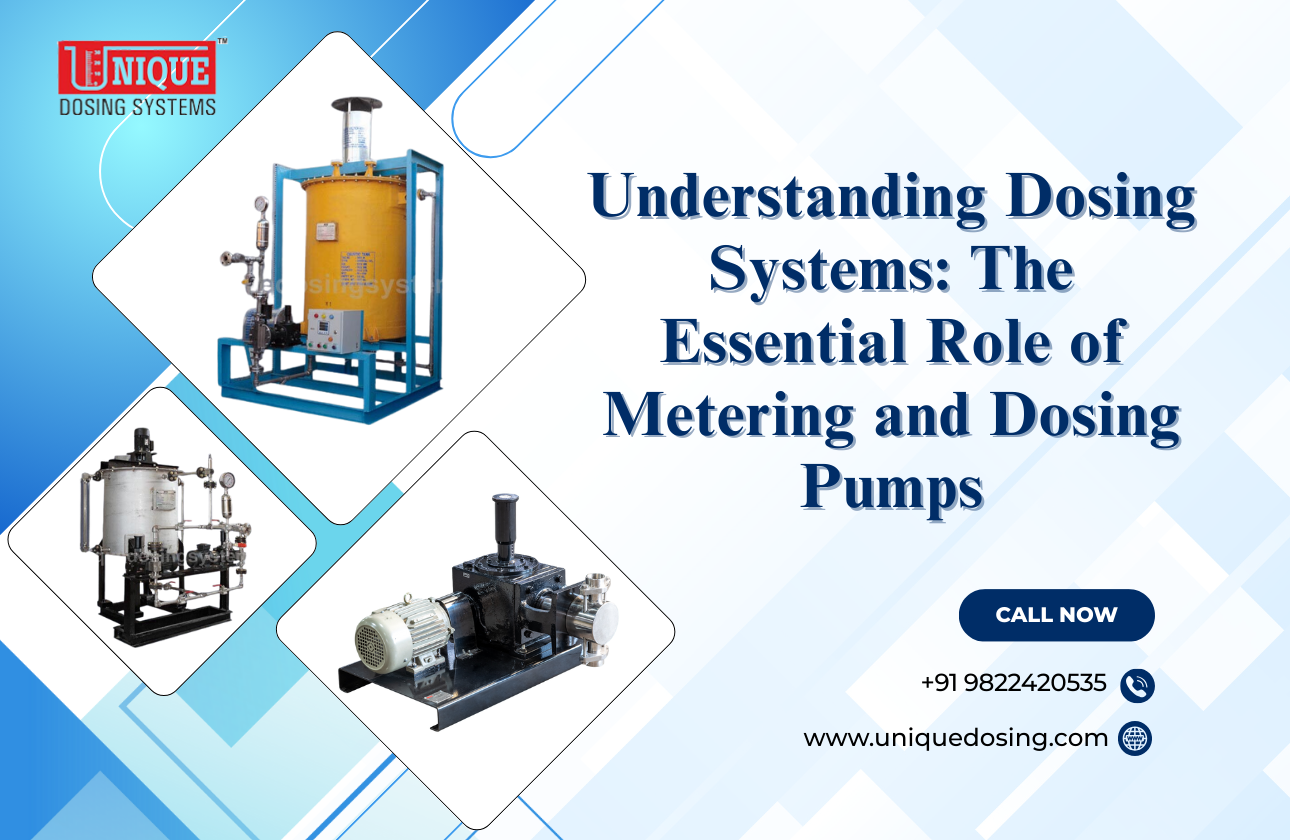
Understanding Dosing Systems: The Essential Role of Metering and Dosing Pumps
In industries ranging from water treatment to chemical processing, precision in fluid handling is pivotal for ensuring operational efficiency and safety. This is where dosing systems come into play, primarily facilitated by metering and dosing pump. This article delves into the working and importance of these pumps within various dosing applications.
What is a Dosing System?
A dosing system is a setup designed to deliver precise quantities of a substance, often in liquid form, into a process stream. These systems are critical in maintaining product quality, ensuring process efficiency, and safeguarding environmental compliance by preventing over or under-application of additives and treatments.
The Role of Metering Pumps
Metering pumps form the heart of dosing system. They are positive displacement pumps engineered to move an exact volume of liquid within a specific time period. This characteristic makes them indispensable in applications requiring high precision. Industries that rely on metering pumps include municipalities, chemical production, food processing, and pharmaceuticals.
Types of Metering Pumps
- Diaphragm Pumps: Known for their robust design and ability to handle corrosive and viscous fluids, diaphragm pumps are prevalent in chemical applications. They operate by expanding and contracting a flexible diaphragm, controlled by stroke length and speed, to manipulate fluid flow.
- Piston Pumps: These pumps are preferred in scenarios where high-pressure dosing is required. Their precise stroke adjustments allow for exact flow control, making them suitable for high precision dosing.
Dosing Pumps: Versatile Application and Precision
Dosing pumps are similar to metering pumps but generally used when discussing low flow rates and pressures. They offer adjustable flow rates, making them ideal for dynamic application requirements. Their versatility extends across water treatment facilities, irrigation systems, and as part of larger chemical feed systems.
Benefits of Using Dosing Pumps
- Accuracy: Dosing pumps ensure that exact reagent amounts are introduced to the system, avoiding waste and ensuring exact chemical dosing.
- Cost-Effectiveness: By preventing overdosing, these pumps save money on chemical costs and prevent damages or inefficiencies caused by excess additives.
- Flexibility: Many dosing pumps are highly adaptable, capable of handling a range of fluids, including caustics, acids, or viscous substances.
Choosing the Right Pump for Your Dosing System
When selecting a metering or dosing pump, consider the following factors:
- Fluid Characteristics: Ensure the pump can handle the specific properties of the fluid, such as viscosity, temperature, and potential corrosiveness.
- Flow Rate and Pressure Requirements: Define the required flow rate and pressure that the pump must accommodate to ensure compatibility.
- Maintenance Needs: Opt for pumps that offer durability and minimal maintenance for long-term cost-efficiency.
Conclusion
Understanding and choosing the right metering and dosing pumps is essential for constructing an efficient dosing system. These components not only enhance precision and reliability but also drive cost-effectiveness and sustainability across numerous industrial applications. As technology advances, the future of dosing systems and pumps promises even greater efficiency and innovation.
For businesses looking to optimize their liquid management processes, investing in high-quality metering and dosing pumps can yield significant returns in terms of operational efficiency and product quality.
Published on December 28, 2025 by Admin