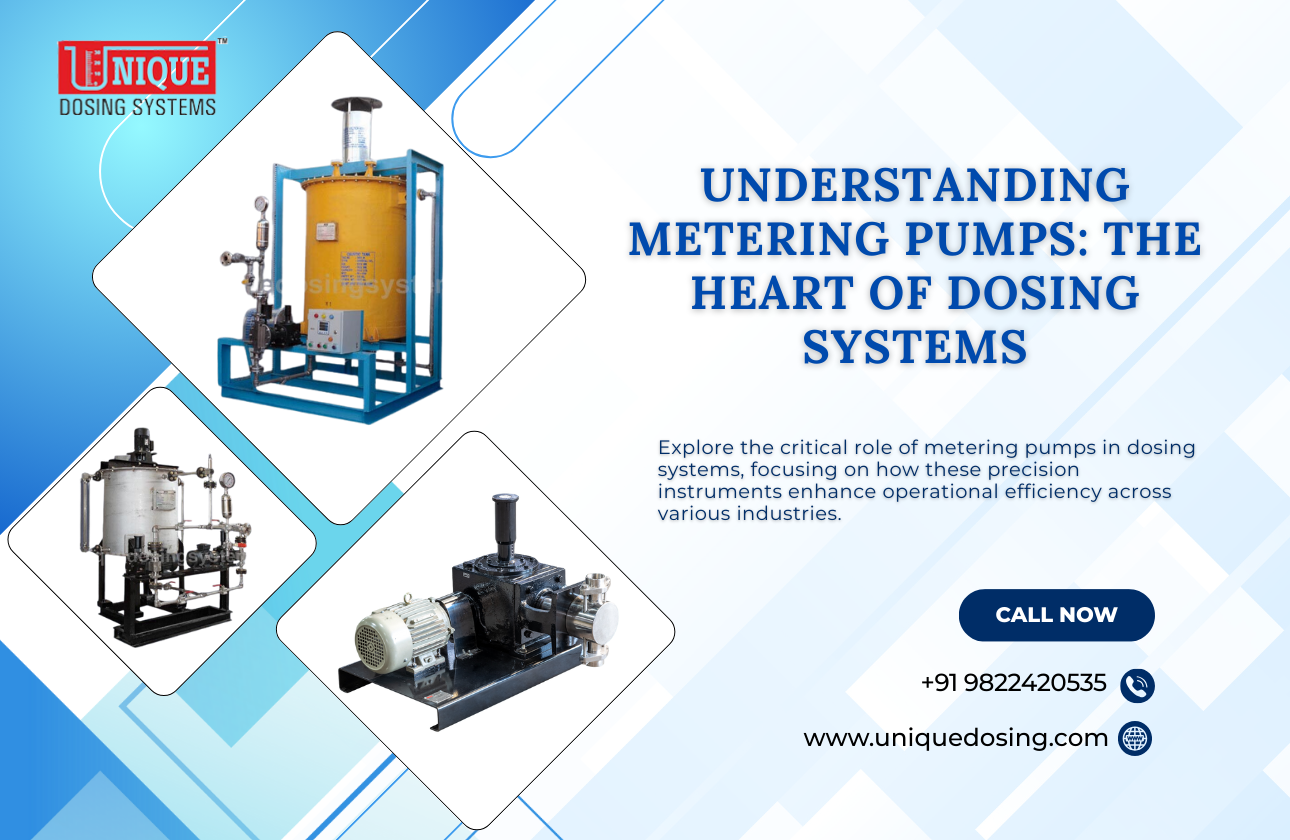
Understanding Metering Pumps: The Heart of Dosing Systems
The demand for precise chemical handling has never been more critical, and this is where metering pumps, also known as dosing pumps, come into play. Serving as the backbone of dosing systems, they ensure accurate, reliable, and efficient delivery of liquids in various sectors such as water treatment, pharmaceuticals, food processing, and more.
What Are Metering Pumps?
Metering pumps, sometimes interchangeably referred to as dosing pumps, are designed to move exact volumes of liquid at predetermined flow rates into a system. This capability makes them essential for processes where precision is critical. These pumps are typically used when a mix of two or more fluids is needed, or when a specific dosage of a chemical is required.
Key Components and Functionality
Metering pumps operate with high precision, which is achieved through several key components:
- Drive Mechanism: Most common is a motor-driven mechanism, providing reliability and adjustability for different dosing requirements.
- Control Systems: Advanced metering pumps are equipped with programmable logic controllers (PLC) to manage flow rates and quantities, ensuring accuracy and efficiency.
- Pump Head: The part of the pump that contacts the fluid, often made of materials resistant to corrosion and wear, essential for handling aggressive chemicals.
Dosing Systems in Various Industries
Dosing systems, powered by metering pumps, are pivotal in numerous industries. In water treatment facilities, they add precise amounts of chemicals to purify water. In pharmaceuticals, dosing systems ensure accurate delivery of drug ingredients, crucial for product integrity and safety. Likewise, in the food industry, metering pumps help maintain quality by adding preservatives and flavorings at controlled rates.
Benefits of Using Metering Pumps
The use of metering pumps in dosing systems offers several advantages:
- Precision: Allows for accurate dosing, minimizing wastage and ensuring product consistency.
- Safety: Reduces the risk of spills and exposure to hazardous chemicals.
- Efficiency: Automates processes, reduces labor costs, and enhances productivity.
Choosing the Right Metering Pump
Selecting the appropriate metering pump for your application involves considering factors such as chemical compatibility, flow rate, pressure requirements, and the specific environmental conditions of your operation.
Conclusion
Metering pumps are indispensable in modern process control, providing the necessary precision and reliability. Whether in a standalone configuration or as part of a sophisticated dosing system, these dosing pumps are pivotal to achieving operational excellence. Investing in the right metering pump is not just a necessity but a strategic decision that can lead to significant improvements in both efficiency and safety.
Published on December 26, 2025 by Admin