Understanding Dosing Pumps: The Heart of Effective Dosing Systems
Dosing pumps, often referred to as metering pumps, play a pivotal role in various industries where precision and reliability are paramount. These essential components of dosing systems ensure accurate chemical feed processes, thereby enhancing operational efficiency and safety.
What is a Dosing Pump?
Dosing pumps are specialized pumps designed to deliver a specific flow rate of a chemical or substance into a mixing or process stream. Unlike other pumps, dosing pump allow for precision in the amount of material they dispense, making them integral to numerous industrial processes. They are widely used in water treatment, chemical manufacturing, food processing, and pharmaceuticals.
Types of Dosing Pumps
The most common types of dosing pumps include diaphragm pumps, peristaltic pumps, and piston pumps. Each type offers unique advantages depending on the application. Diaphragm pumps, for example, are well-suited for corrosive chemicals and vary in size and capacity to accommodate various industrial needs. Peristaltic pumps are preferred for their ability to handle viscous fluids, whereas piston pumps are known for their precision in dosing smaller volumes.
How Metering Pumps Work
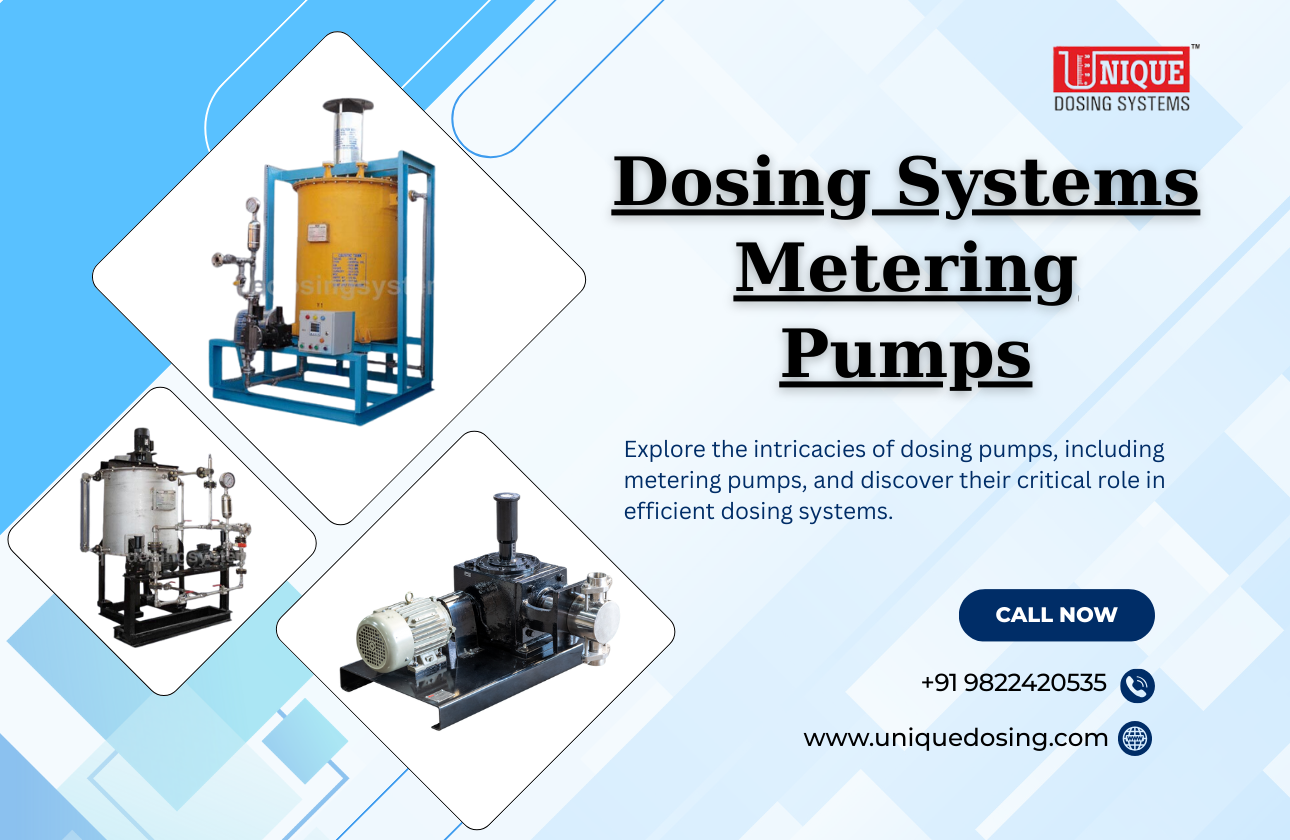
Metering pumps are a subset of dosing pumps known for their superior accuracy and repeatability. These pumps can handle a wide range of flow rates and pressures, making them versatile across different applications. The pump comprises several components including a pump head, diaphragm or piston, and a motor. The motor drives the piston or diaphragm within the pump head, creating a controlled way to draw precise volumes of liquid through a system.
The Role of Dosing Pumps in Dosing Systems
Dosing systems are automated assemblies that integrate various components to ensure safe and efficient chemical dosing. Dosing pumps are at the core of these systems, as they provide the precise injection of chemicals required to maintain optimal conditions in processes such as water purification, pH control, or nutrient delivery in agriculture.
Benefits of Using Dosing Pumps
- Accuracy: Dosing pumps deliver exact amounts of chemicals, which is crucial in applications where even small deviations can lead to significant consequences.
- Efficiency: Automated dosing systems reduce manual intervention, leading to labor savings and more consistent results.
- Safety: By reducing human contact with potentially hazardous chemicals, dosing pumps enhance the safety of industrial operations.
- Reliability: Modern dosing pumps are designed to withstand harsh industrial environments, ensuring long-lasting performance.
Choosing the Right Dosing Pump
Selecting the appropriate dosing pump depends on several factors, such as the nature of the fluid being pumped, the required flow rate, and the operating conditions. Consulting with industry experts and suppliers can help you find the best solution tailored to your specific process requirements.
In conclusion, dosing pumps, including metering pumps, are indispensable in designing efficient dosing systems. Their capacity to manage precise dosing underpins the seamless operation of various industrial applications, making them a worthy investment for businesses aiming for precision, safety, and performance.