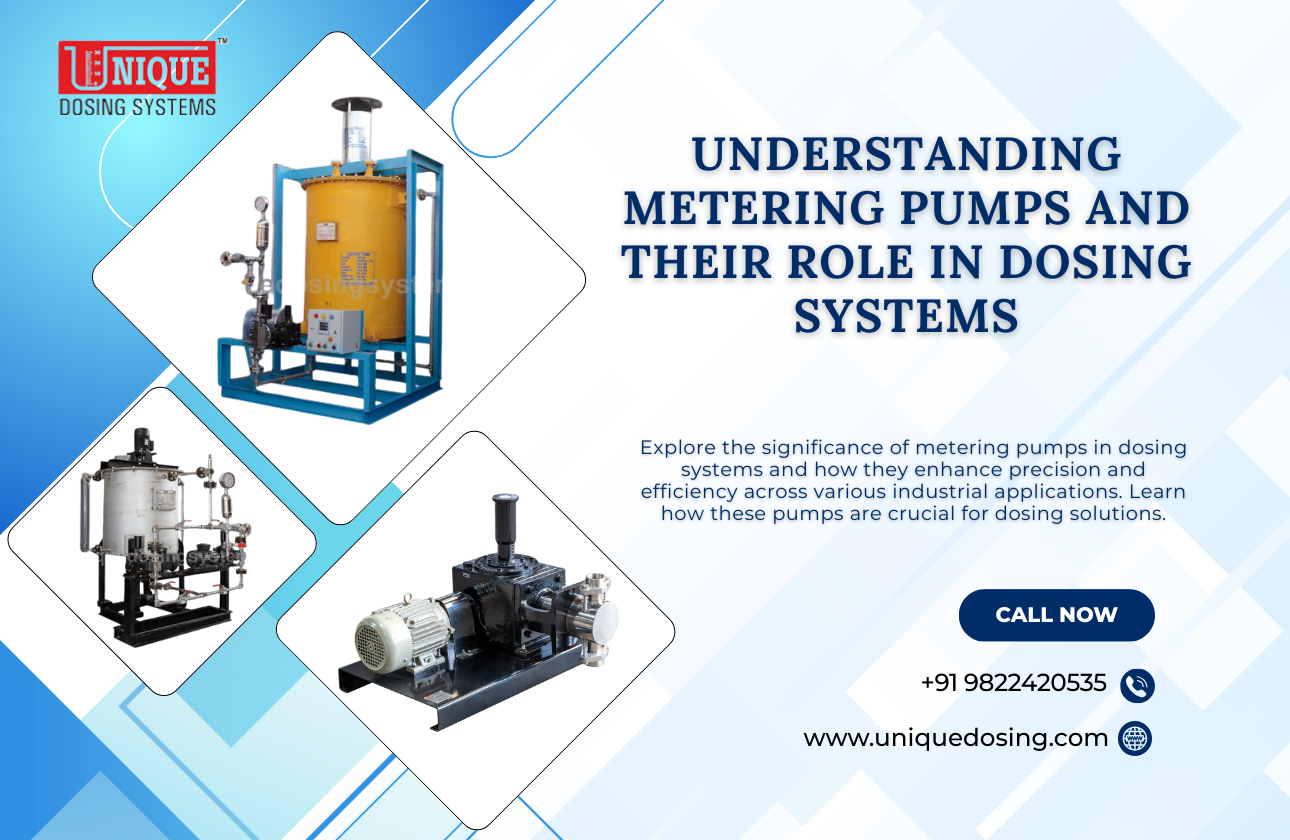
Understanding Metering Pumps and Their Role in Dosing Systems
In today's industrial landscape, precision and efficiency are key to optimal operations. This is particularly true when it comes to handling chemicals and fluids. Metering pumps and dosing systems are at the forefront of innovation in this area, enabling precise fluid control across a multitude of sectors. In this blog, we delve into the significance of metering pumps and dosing pumps, highlighting their essential features and applications.
What are Metering Pumps?
Metering pumps, often referred to as dosing pumps, are devices designed to move precise volumes of liquid within a set time frame. Unlike conventional pumps, they ensure the delivery of consistent fluid amounts, making them ideal for applications requiring high levels of precision.
The hallmark of metering pumps is their ability to adjust flow rates to meet specific requirements, which is crucial in industries such as pharmaceuticals, food processing, and water treatment. By employing these pumps, companies can ensure accurate chemical dosing, leading to improved outcomes and reduced wastage.
Importance of Dosing Systems
Dosing systems integrate metering pumps to provide comprehensive solutions for controlled fluid management. These systems are designed to handle a variety of chemicals, adjusting for variables such as pressure, temperature, and fluid properties. The adaptability and precision offered by dosing system make them indispensable in many fields.
For instance, in the water treatment industry, dosing systems are used to add chemicals like chlorine or pH adjusting substances to achieve compliance with safety standards. Similarly, in agriculture, they enable the precise application of fertilizers and pesticides, optimizing plant growth and minimizing environmental impact.
Types of Metering Pumps
The market offers several types of metering pumps, each tailored to specific requirements:
- Diaphragm Pumps: Known for their robustness and reliability, diaphragm pumps utilize a flexible membrane to move fluids, suitable for handling hazardous or abrasive chemicals.
- Piston Pumps: These pumps employ a reciprocating piston to move liquids, delivering high levels of pressure, making them ideal for applications requiring forceful delivery.
- Peristaltic Pumps: Distinctive for their use of rotating rollers or shoes, these pumps effectively handle viscous fluids, offering easy maintenance and gentle fluid transfer.
Benefits of Using Metering Pumps in Dosing Systems
Incorporating metering pumps as part of dosing systems offers numerous benefits, including:
- Precision: Ensures accurate dosages, minimizing chemical waste and optimizing costs.
- Flexibility: Suitable for diverse applications, from low to high-pressure environments.
- Durability: Long-lasting with minimal maintenance, often constructed to resist harsh chemicals.
Conclusion
Whether it's ensuring water is safe to drink, optimizing agricultural outputs, or producing pharmaceuticals, metering pumps within dosing system are integral to operations. Their precision, reliability, and adaptability make them a cornerstone of industrial fluid management. As technology advances, these systems will continue to evolve, offering even greater efficiency and environmental benefits, ensuring that industries can meet both production and sustainability goals efficiently.
Published on December 23, 2025 by Admin