Understanding Metering Pumps
A metering pump is a specific type of pump used to deliver liquids at precise flow rates over a certain time period. Metering pumps are essential in applications where accuracy is crucial. Industries such as chemical processing, water treatment, and pharmaceuticals rely heavily on these pumps for task completion. Unlike typical pumps that move large volumes of liquids with less precision, metering pumps are designed to achieve accuracy down to small fractions of a liter. The capacity to adjust the flow rate in these pumps helps in managing the chemical composition of fluids, making them indispensable in managing fluid reactions and maintaining specific conditions.
Advantages of Using Metering Pumps
The primary advantage of a metering pump is precision. These pumps ensure the accurate dosing of chemicals or other substances into systems, which is vital for maintaining product quality and system integrity. One of their largest benefits is flexibility; they can accommodate a wide range of chemical compatibility due to their design. This versatility allows industries to use a single pump to process various chemicals. Their flexibility continues with adjustable flow rates and control features, making it easy for operators to fine-tune injection rates as needed. Find out more about metering pumps' capabilities here.
Types of Metering Pumps
Metering pumps come in various types, including piston, diaphragm, and peristaltic pumps, each serving different purposes based on application requirements. Diaphragm metering pumps are known for handling corrosive chemicals due to their seal-less diaphragm, which prevents leaks. Piston pumps are often used when high pressures are required, thanks to their robust construction. Peristaltic pumps gently move liquids through a flexible tube, ideal for handling shear-sensitive fluids. These varied types ensure that there's always a metering pump suited to any specific industrial need. Discover a detailed guide on understanding metering pumps here.
Components and Operation of Metering Pumps
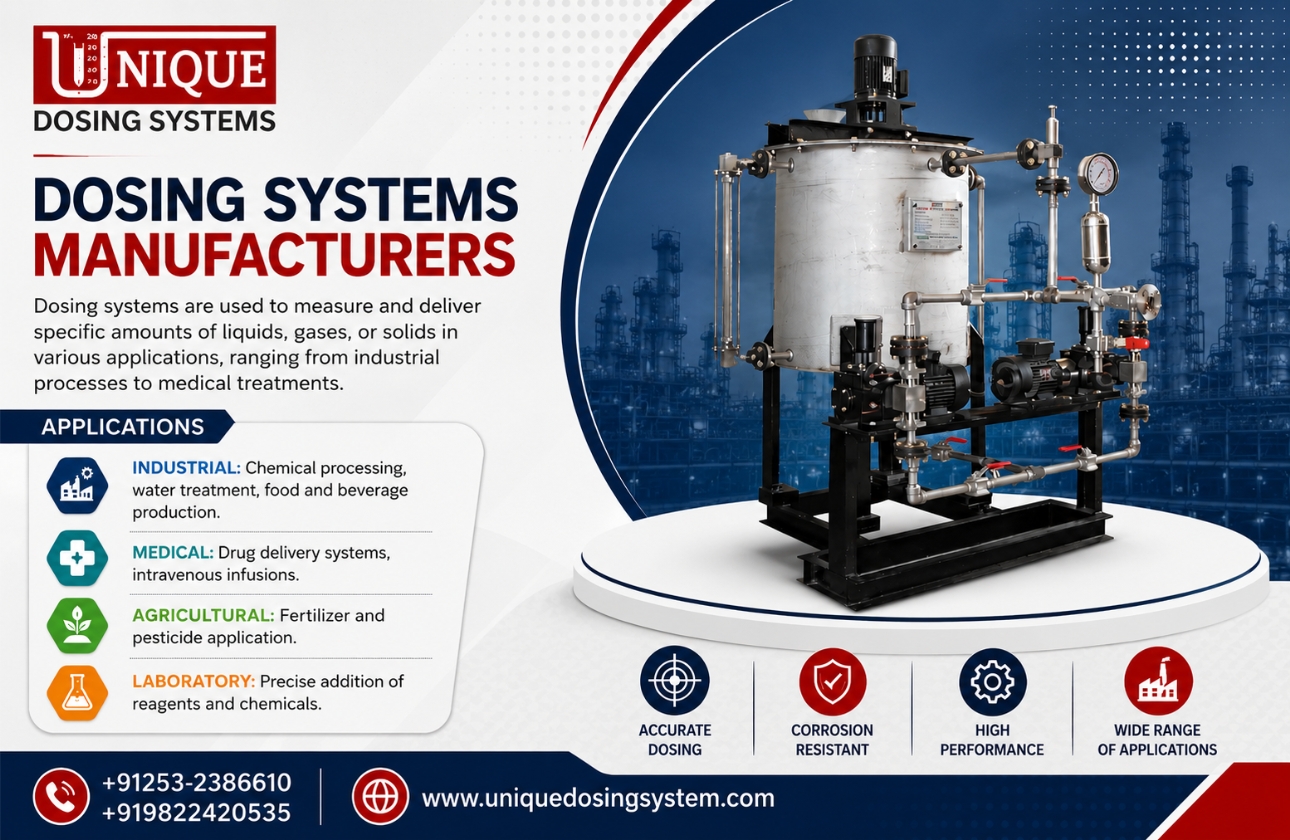
The design of metering pumps incorporates several key components, including the motor, pump head, and the metering mechanism, which collectively ensure accurate dosing. The motor drives the pump, enabling it to move liquids through the system. The pump head is precisely engineered to withstand the specific pressures and chemical properties of the fluids being pumped. The metering mechanism adjusts the flow rate, ensuring the right amounts are dispensed at appropriate intervals. Understanding these components is crucial for effective pump operation and maintenance. Learn more about the components involved in metering pumps.
Applications of Metering Pumps
Metering pumps are integral in industries that require precise fluid management, such as agriculture for fertilization and chemical manufacturing for managing product mixtures. For example, in water treatment facilities, metering pumps help in the accurate addition of cleaning agents, ensuring water meets safety standards. The pharmaceutical industry depends on these pumps for exact dosing of ingredients to maintain compound efficacy and safety. Thus, their application spans a wide range of fields. Explore additional applications of these pumps here.
Maintaining Metering Pumps
Regular maintenance of metering pumps is crucial for long-term performance. Common maintenance tasks include regular inspections for leaks, checking fluid connections, and verifying that the pump settings align with intended outputs. It is also important to replace worn parts promptly to prevent breakdowns. Maintenance not only prolongs the life of a pump but also ensures consistent accuracy in operations. Proper training for personnel tasked with these duties is essential to reduce the risk of operational errors.
Challenges in Using Metering Pumps
While metering pumps are essential tools, they come with challenges. One major challenge is managing wear and tear due to continuous use and corrosive fluids, which can lead to frequent maintenance and replacement costs. Another potential issue is the initial expense, as high-precision equipment tends to be costly. Proper configuration and calibration are necessary to ensure accuracy, which requires skilled technicians. Despite these challenges, the benefits of precision and reliability often outweigh the drawbacks.
Choosing the Right Metering Pump
Selecting a metering pump depends on several factors, including the type of fluid being pumped, the desired flow rate, and the pressure needs. It's essential to consider the chemical compatibility of pump materials with the fluids used. Sourcing pumps from reputable manufacturers ensures quality and reliability. A pump that is right for one application might not suit another, making thorough research and consultation with experts vital. Explore how to choose the right metering pump manufacturer.
Frequently Asked Questions
1. What is a metering pump used for?
Answer: Metering pumps are used for precise dosing of liquids into various systems, ensuring accurate mixing and dosing in industrial processes. They are crucial in industries like water treatment and pharmaceuticals where precision is key.
2. How do I maintain a metering pump?
Answer: Regular maintenance involves checking for leaks, ensuring all connections are tight, periodically replacing worn parts, and confirming that settings are correct. Scheduled maintenance helps prolong the pump's life and maintain accuracy.
3. What types of metering pumps are available?
Answer: Common types include diaphragm, piston, and peristaltic pumps, each designed for different pressure levels and chemical compatibilities. They serve diverse industrial needs due to their varied design and operational capabilities.
4. Are metering pumps cost-effective?
Answer: Despite a higher initial cost, their precision and efficiency often lead to savings in material costs and improved process reliability, making them cost-effective over time.
5. Can metering pumps handle corrosive fluids?
Answer: Yes, specifically designed diaphragm and peristaltic metering pumps are equipped to handle corrosive fluids due to their robust and compatible materials, preventing leaks and ensuring safety.