Understanding Metering Pumps
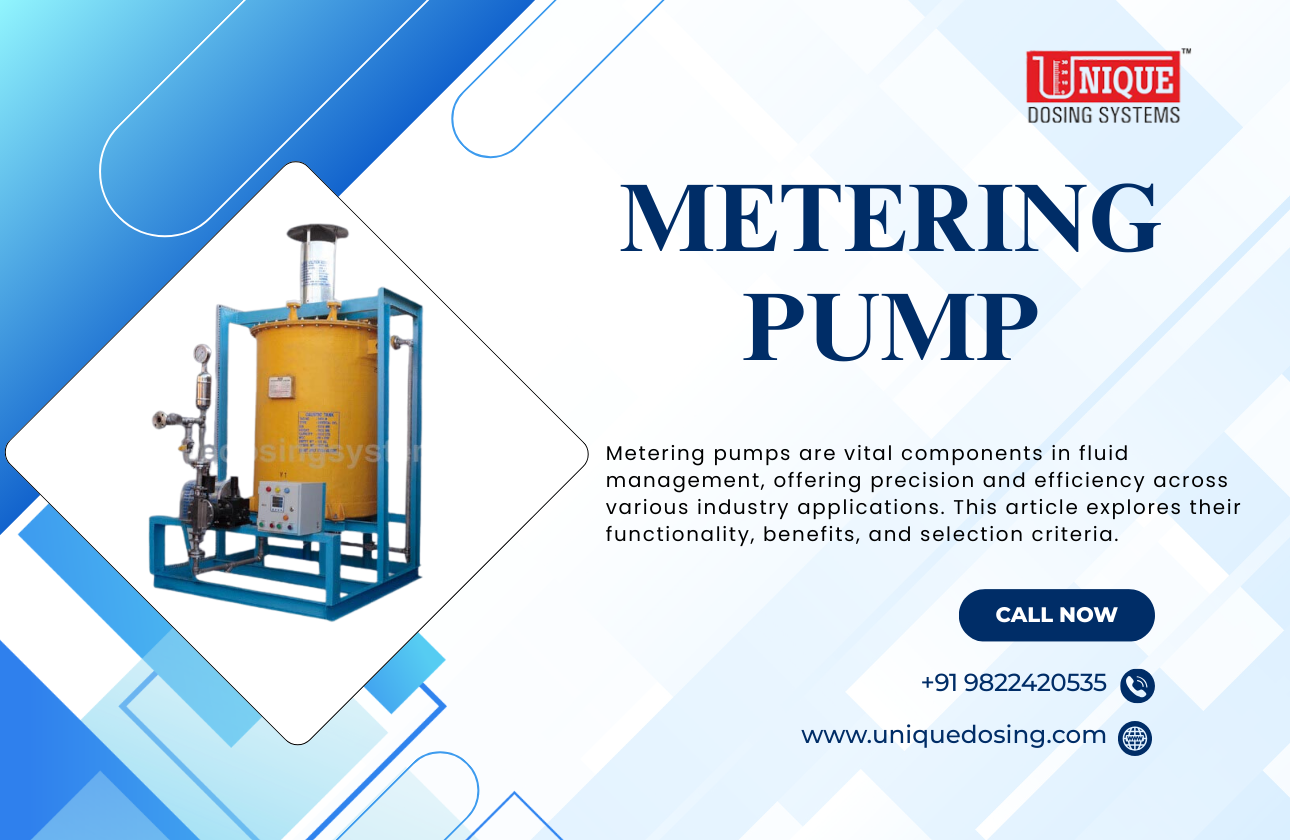
Metering pumps are crucial in various industries, known for their precision in moving liquids. They are often used to dispense an accurate volume of fluid with each stroke. This makes them essential in processes where keeping the exact amount of a liquid is necessary, like chemical manufacturing or food processing. Whether managing acids, bases, or any other fluids, metering pumps ensure the right amount is delivered every time. They help maintain quality and consistency, which is vital in production environments.
The Importance of Metering Pumps in Industry
In industries, the role of metering pumps cannot be understated. These pumps provide a reliable and exact way to control the flow of fluids. This means less waste and more efficiency in use. When liquids are dispensed inaccurately or inconsistently, it can result in production errors or safety hazards. With metering pumps, companies can reduce the risk of such issues, ultimately saving time and costs. Industries ranging from pharmaceuticals to water treatment heavily rely on these pumps to maintain their operations' smoothness.
How Metering Pumps Work
The operation of metering pumps is quite straightforward. They usually have a reciprocating diaphragm and a piston. As the motor drives the piston, it moves the diaphragm to create a vacuum that draws the liquid into the chamber. When the piston returns, it pushes the diaphragm again to release the liquid at the desired rate. This process is extremely precise, allowing users to control flow rates meticulously. The technology behind these pumps has been refined over years, offering a dependable solution for fluid management.
Types of Metering Pumps
There are several types of metering pumps, each designed for specific applications. The most common ones include diaphragm pumps, piston pumps, and peristaltic pumps. Diaphragm pumps are popular for their durability and ability to handle aggressive chemicals. Piston pumps are known for their high pressure, often used in industrial applications. Peristaltic pumps are effective for their gentle handling of delicate fluids. Each type has its own set of benefits, making it important to choose the right one based on the specific needs of your operation.
Choosing the Right Metering Pump
Selecting the correct metering pump involves understanding the nature of the fluid it will handle, the required flow rate, and the pressure conditions. It's also crucial to consider the pump's materials, as they need to be compatible with the fluid to avoid reactions and corrosion. Additionally, reviewing the pump's maintenance needs is vital to ensure longevity and reliability. For those looking for expert insights, Discovering Quality: Top Metering Pumps, Dosing Pumps, and Dosing Systems Manufacturers provides a list of reliable manufacturers to consider.
Installation and Maintenance Tips
Proper installation and maintenance are key to getting the most out of your metering pump. Ensure the pump is installed on a stable surface and properly aligned with the piping system. Routine maintenance, such as checking the seals and diaphragm for wear, keeps the pump in good working condition. Regular inspections can prevent minor issues from turning into significant problems, ensuring continuous and reliable operation.
Benefits of Using Metering Pumps
One of the main advantages of metering pumps is their accuracy. This feature not only optimizes processes but also minimizes waste, making operations more cost-effective. They are versatile across different industries, handling a wide range of fluid viscosities and temperatures. Additionally, metering pumps are known for their durability and long lifespan, which are crucial factors in reducing equipment downtime and maintenance costs.
Frequently Asked Questions
1. What are metering pumps used for?
Answer: Metering pumps are used to transfer fluids accurately in different industries. They ensure precise dosing of chemicals, essential in applications such as water treatment, manufacturing, and pharmaceuticals.
2. How do I choose the right metering pump for my needs?
Answer: Consider the chemical properties of the fluid, required flow rates, pressure conditions, and material compatibility. Checking with manufacturers and industry experts can help guide your decision.
3. Can metering pumps handle high-viscosity fluids?
Answer: Yes, metering pumps can handle high-viscosity fluids. However, it's important to choose a pump designed to accommodate the specific viscosity and temperature ranges of your application.
4. What maintenance do metering pumps require?
Answer: Regular maintenance includes checking seals and diaphragms for wear, ensuring proper calibration, and inspecting for any leaks or malfunctions. This helps prolong the pump's lifespan and maintain its precision.
5. Why are metering pumps important in industrial processes?
Answer: Metering pumps are crucial for ensuring the precise and efficient dosing of fluids, reducing waste, and maintaining optimal production levels in industrial processes.