What Are Dosing Systems?
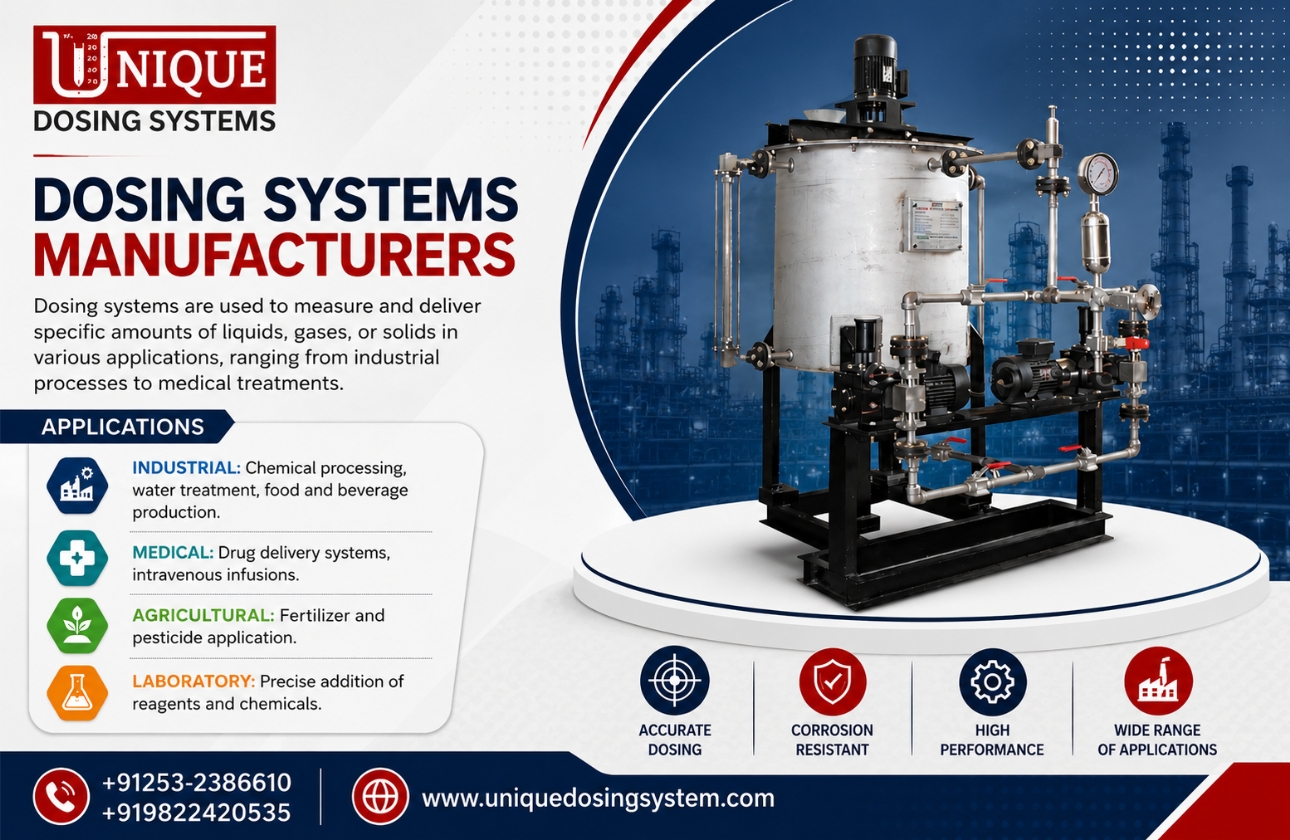
Dosing systems might sound complex, but they're quite simple when you break it down. Essentially, a dosing system is a setup that measures out and delivers specific quantities of liquids or chemicals into a process or system. This is crucial in industries where precise amounts of substances are necessary, like food production, pharmaceuticals, or water treatment. Imagine needing just the right amount of a chemical to purify water or the exact dose of an ingredient in a recipe—the dosing system ensures accuracy, efficiency, and consistent results.
How Dosing Systems Work
Dosing systems work by using various components like pumps, valves, and sensors. These pieces work together to ensure that the right amount of liquid is added to a system at the right time. Sensors might gauge the current level of a substance, while the pump controls how much is added. Some systems are automated, with programming that allows them to operate without constant human oversight. They can handle adjustments on the fly, making them invaluable in processes where there's no room for error.
Types of Dosing Systems
There are many types of dosing systems designed for different tasks. For some tasks, you need what's called a batch dosing system, which delivers a set amount in a single go. For continuous processes, inline or continuous dosing systems are used. Think of them as the difference between pouring a drink and having a river. Each type has its unique setup and purpose, designed to fit specific needs. Understanding these differences is key when choosing the right system for one's application.
Applications of Dosing Systems
Dosing systems have a wide range of applications. In agriculture, they help deliver the right nutrients or pesticides to crops. In water treatment plants, they ensure safe drinking water by regulating the amount of chemicals used for purification. Similarly, in the pharmaceutical industry, they are used to ensure the exact dosage of medicine. Each of these applications benefits from the precision that dosing systems bring. If you want to dive deeper into how these systems revolutionize these fields, take a look at Revolutionizing Precision in Fluid Management.
Benefits of Using Dosing Systems
The primary benefit of dosing systems is precision. By ensuring that the exact amount of a substance is used, we prevent waste and save money. Additionally, automating the process reduces the risk of human error, which is critical in sensitive applications. Furthermore, because dosing systems can be tailored to specific needs, they offer flexibility unlike any other. For a deeper dive into these advantages, check out Guide to Dosing Systems and Metering Pumps.
Challenges in Dosing Systems
While dosing systems bring many benefits, they also present challenges. High setup costs and maintenance can be a concern for some industries. Ensuring accuracy requires proper calibration and regular checks. Additionally, when things go wrong, such as a sensor malfunction or pump failure, it can halt entire operations. However, with proper care and attention, these challenges are manageable, ensuring smooth operations and consistent quality in outcomes.
Choosing the Right Dosing System
Choosing the right dosing system depends on understanding the specific needs of your process. Factors like the type of chemicals involved, required flow rate, and precision level needed all play a role. A common recommendation is to work with experienced manufacturers who can provide systems tailored to your requirements. To better understand what to look for, consider reading Choosing the Best Dosing Pumps Manufacturers. They offer insights into making the right choice based on top industry standards.
Frequently Asked Questions
1. What is a Dosing System?
Answer: A dosing system is a setup designed to deliver precise amounts of liquids or chemicals into another system or process. They're used extensively across industries like water treatment, food, and pharmaceuticals to ensure consistency and safety.
2. Why are Dosing Systems Important?
Answer: They ensure accuracy and efficiency in delivering precise amounts of substances, reducing waste and improving product quality. Their role is crucial in maintaining safety standards in various industrial applications.
3. What Industries Use Dosing Systems?
Answer: Dosing systems are used in many sectors including water treatment, agriculture, pharmaceuticals, and food processing. Each application benefits from the system’s ability to accurately control the amounts of critical substances.
4. How Do I Choose the Right Dosing System?
Answer: You should consider the type of chemicals, the required precision, and flow rate. Consulting with specialized manufacturers helps ensure you select a system that meets your specific needs. Look for systems that fit your operational demands and budget.
5. Can Dosing Systems be Automated?
Answer: Yes, most modern dosing systems use automated technology. This allows for improved accuracy, efficiency, and reduces the need for constant human oversight—which is particularly beneficial in large-scale operations.