Metering Pumps: An Introduction
Metering pumps, while not part of everyday conversation, play a crucial role in a variety of industries. They are designed to move precise amounts of liquid in specified time increments, making them essential tools in settings where accuracy and consistency are paramount. The ability to control the flow of liquids with precision ensures that processes run efficiently, whether in chemical dosing, water treatment, or food production. By understanding the basics of metering pumps, one can appreciate their significance in supporting industrial, commercial, and even domestic applications. These pumps come in various types and sizes, tailored to different needs, but they all share the core function of delivering accurate fluid management.
Key Components of Metering Pumps
Metering pumps consist of several key components, each contributing to their function and effectiveness. The main parts include the pump chamber, check valves, and a drive system. The pump chamber's role is to house the liquid and maintain pressure during operation. Check valves ensure that the fluid moves in the correct direction, preventing backflow and ensuring precision. The drive system, which may be mechanical or electronic, powers the pump's motion. These components work together to achieve exact dosing, which is critical for industries that depend on stringent control over liquid flow. Understanding these components helps in recognizing how metering pumps maintain high standards of accuracy.
Applications Across Industries
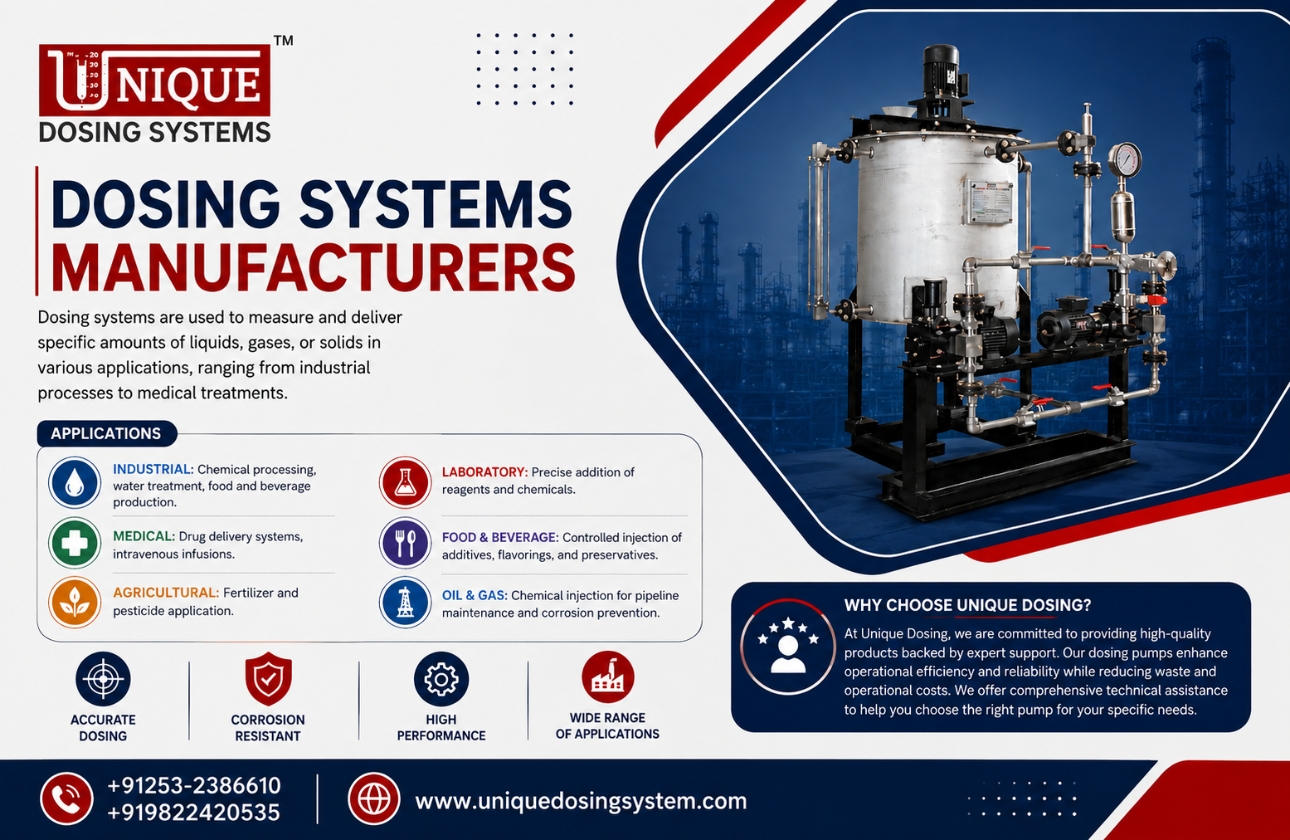
Metering pumps find their applications in a wide range of industries due to their precision and reliability. In the chemical industry, they are used for dosing precise amounts of chemicals to ensure safety and product integrity. Water treatment facilities utilize them to regulate the addition of disinfectants, aiding in the delivery of safe drinking water. The food and beverage sector employs metering pumps to add flavors or preservatives in controlled quantities. Moreover, in pharmaceuticals, these pumps are vital in delivering exact dosages during the production process. Their versatility and accuracy make them indispensable in conditions where consistency is non-negotiable, helping maintain quality and safety across services.
The Role in Chemical Processing
In the realm of chemical processing, metering pumps are indispensable. They provide the precision needed to inject chemicals at specific rates, thereby aiding in maintaining the desired chemical reactions and ensuring safety. For instance, in the production of chlorine, sulphuric acid, or other hazardous substances, metering pumps deliver chemicals into the process line carefully controlled to avoid spills and other accidents. Furthermore, they contribute to maximizing efficiency as exact dosing helps in reducing waste and improving the overall productivity of the chemical process. This makes metering pumps an essential component of the chemical industry, ensuring processes are both economical and environmentally responsible.
Water Treatment and Environmental Management
Metering pumps play a pivotal role in water treatment processes, ensuring that water is safe and clean for consumption or use. By dosing the right amount of disinfectants or pH-adjusting chemicals, these pumps aid in the purification and stabilization of water. For example, advanced dosing systems in water treatment plants rely on metering pumps to deliver the chemicals at precise rates, adhering to regulatory standards. Such precision ensures that contaminants are effectively neutralized, and the environmental impact is minimized. As water treatment regulations become increasingly strict worldwide, the importance of metering pumps continues to grow, ensuring compliance and safeguarding public health.
Significance in the Food and Beverage Industry
The food and beverage industry demands high precision in adding ingredients like flavorings, colorings, and preservatives. Metering pumps ensure these additives are applied consistently, maintaining the quality and safety of the food products. For example, when producing beverages, metering pumps precisely control the amount of syrup added, which is crucial for taste consistency. Similarly, in dairy processing, they help ensure each product batch meets the strict health guidelines. The ability to maintain precise measurements makes these pumps invaluable, offering a blend of quality assurance and operational efficiency critical to the industry's success.
Maintenance and Troubleshooting
The reliability of metering pumps significantly depends on regular maintenance and timely troubleshooting of issues. Routine inspections and servicing ensure that they operate efficiently and have a long service life. Common maintenance tasks include checking for leaks, ensuring that valves are functioning correctly, and inspecting the pump chambers for blockages or wear. Should an issue arise, timely troubleshooting can prevent larger, more costly problems from developing. One way to ensure optimal performance is to follow the guidelines and tips from resources such as the comprehensive guide to dosing and metering pumps. These practices are essential for maintaining accuracy and reliability, crucial in industries where precision fluid management is key.
Choosing the Right Metering Pump
Selecting the appropriate metering pump for a specific application requires careful consideration of several factors. These include the type of fluid being pumped, the required flow rate, and the environmental conditions where the pump will be used. For instance, corrosive chemicals require a pump constructed from materials that can withstand their aggressive nature. It's also important to consider the integration with existing systems, ensuring compatibility and efficiency. Resources such as understanding metering pumps can provide guidance on the best options available, helping users make informed decisions and ensuring optimal performance in their operations.
Technological Advances and the Future
Technological advancements continue to revolutionize metering pumps, enhancing their precision, efficiency, and ease of use. Innovations such as digital controls, IoT connectivity, and advanced materials are paving the way for more reliable and intuitive systems. These technologies not only improve the accuracy and durability of the pumps but also enable remote monitoring and control, reducing the need for manual intervention. As industries seek more sustainable and efficient solutions, advancements in metering pumps become even more crucial. Looking ahead, these pumps will continue to play a leading role in evolving industrial processes, supporting both innovation and sustainability.
Frequently Asked Questions
1. How do I decide which metering pump to use?
Answer: Choosing a metering pump depends on several factors such as the type of fluid you're working with, the desired flow rate, and environmental conditions. Ensure compatibility with your existing systems. For detailed guidance, consider resources that explain how to understand dosing pumps and their specifications.
2. What maintenance is required for metering pumps?
Answer: Regular maintenance involves checking for leaks, ensuring valves are working correctly, and inspecting pump chambers for wear. Following guidelines from comprehensive resources like the guide to dosing systems and pumps can help maintain reliability.
3. Can metering pumps handle all fluid types?
Answer: While most metering pumps are versatile, some fluids, especially corrosive or viscous ones, require specific pump materials and designs. Always check the pump's specifications to ensure they match the fluid's properties.
4. What industries utilize metering pumps the most?
Answer: Industries like chemical processing, water treatment, food and beverage, and pharmaceuticals frequently utilize metering pumps. These sectors necessitate precision in fluid handling and dosing to meet safety and quality standards.
5. How are technological advances impacting metering pumps?
Answer: Advances in technology, such as digital controls and IoT integration, are making metering pumps more precise and easier to manage remotely. These innovations enhance the efficiency and reliability of operations in various industries.