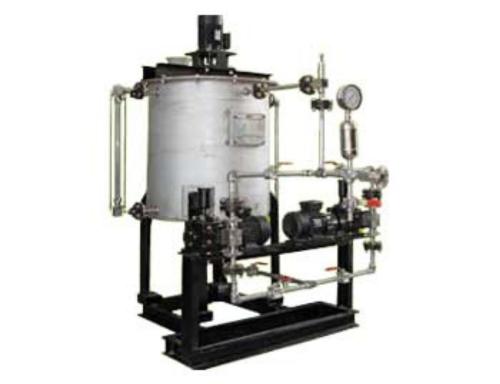
Selecting the right Chemical Dosing Pump is essential for maintaining process accuracy, improving operational efficiency, and ensuring safe chemical handling in industrial applications. Whether you are treating water, managing wastewater, processing chemicals, or operating a manufacturing plant, the right dosing pump helps deliver the required quantity of chemical at the correct flow rate and pressure.
However, choosing a pump based only on its capacity or price can lead to inaccurate dosing, frequent maintenance, or poor process performance. This guide explains the key factors to consider when selecting a chemical dosing pump for your industrial application.
What Is a Chemical Dosing Pump?
A chemical dosing pump is a precision pump designed to deliver a controlled quantity of chemical into a process or system. It is commonly used for applications such as water treatment, pH correction, disinfection, chemical preparation, and industrial process control.
Depending on the application, dosing pumps may operate manually, automatically, or through signals from instruments and control systems.
1. Identify Your Chemical and Its Properties
The first step in selecting a Chemical Dosing Pump is understanding the chemical being handled.
Important chemical properties include:
- Chemical name and concentration
- Viscosity and density
- Temperature
- Corrosiveness
- Presence of suspended solids
- Compatibility with pump materials
Chemical compatibility is particularly important because unsuitable wetted materials may lead to corrosion, leakage, premature component failure, or contamination.
Before selecting a pump, confirm that the pump head, diaphragm, valves, seals, and other wetted components are compatible with the chemical.
2. Calculate the Required Flow Rate
The required dosing flow rate is one of the most important selection criteria. It determines how much chemical the pump must deliver over a specific period.
Flow rate is commonly expressed in:
- Litres per hour (LPH)
- Millilitres per minute (mL/min)
- Litres per day (LPD)
The required flow rate depends on the process demand, chemical concentration, system capacity, and desired treatment level.
For example, a water treatment application may require a different dosing rate depending on the incoming water flow and the chemical dosage required.
Avoid selecting a pump with excessive capacity without considering the required control range. The pump should be capable of delivering the required flow accurately under actual operating conditions.
3. Check the Operating Pressure
A dosing pump must deliver chemical against the system’s operating pressure.
When selecting a pump, consider:
- Normal operating pressure
- Maximum system pressure
- Pressure variations
- Injection point pressure
Pipework and accessory pressure losses
The pump’s rated pressure should be suitable for the application. A pump that cannot overcome the system pressure may fail to deliver the required flow rate.
For reliable operation, the required flow rate and operating pressure should be evaluated together—not as separate specifications.
4. Select the Suitable Pump Type
Different dosing pump designs are suitable for different process requirements.
Diaphragm Dosing Pump
Diaphragm dosing pumps are commonly used for chemical feeding and water treatment applications. The diaphragm separates the pumped chemical from the drive mechanism, making this design suitable for many chemical handling requirements.
Hydraulic Diaphragm Dosing Pump
Hydraulic diaphragm dosing pumps use hydraulic fluid to operate the diaphragm. They may be considered for applications requiring specific pressure, capacity, or process performance characteristics.
Plunger Dosing Pump
Plunger dosing pumps use a reciprocating plunger to move liquid. They may be suitable for certain high-pressure applications, depending on chemical properties and process requirements.
Automatic or Controlled Dosing Pump
Automatically controlled dosing pumps can adjust chemical feed according to a control signal or process requirement. Depending on the model, control options may include manual adjustment, pulse input, 4–20 mA signals, or integration with a PLC.
The appropriate pump type depends on the chemical, flow rate, pressure, accuracy, and control requirements.
5. Determine the Required Dosing Accuracy
Dosing accuracy is important when a process depends on maintaining a specific chemical concentration or treatment level.
Consider:
- Required dosing accuracy
- Repeatability
- Operating range
- Changes in system pressure
- Chemical properties
- Calibration and verification requirements
For applications involving pH correction, disinfection, or chemical treatment, inaccurate dosing may affect process performance and increase chemical consumption.
Always review the manufacturer’s performance data and confirm whether the stated accuracy applies to your actual operating conditions.
6. Choose the Right Control Method
The control method determines how the dosing pump operates and responds to process requirements.
Common control options include:
| Control Method | Typical Use |
|---|---|
| Manual control | Fixed or manually adjusted dosing |
| Pulse control | Dosing based on pulses from a flow meter or controller |
| 4–20 mA control | Adjusting pump output based on an analogue signal |
| Batch control | Delivering a defined quantity of chemical per batch |
| PLC integration | Coordinating dosing with an automated industrial process |
The right control method can help improve consistency and reduce the need for frequent manual adjustment.
7. Consider Installation and Maintenance Requirements
A suitable Chemical Dosing Pump should be practical to install, operate, inspect, and maintain.
Before finalizing the selection, review:
- Available installation space
- Suction lift and suction piping
- Chemical storage tank arrangement
- Injection point location
- Required valves and accessories
- Availability of spare parts
- Maintenance access
- Operator safety requirements
Proper installation is essential for reliable dosing. Issues such as air entering the suction line, unsuitable pipework, or incorrect accessory selection may affect pump performance.
8. Evaluate the Total Cost of Ownership
The purchase price is only one part of the overall cost of a dosing pump.
Consider the total cost of ownership, including:
- Initial equipment cost
- Energy consumption
- Maintenance requirements
- Spare parts
- Downtime risk
- Chemical wastage
- Installation and commissioning
A pump that meets the process requirements reliably may provide better long-term value than a lower-cost option that requires frequent maintenance or delivers inconsistent dosing.
Chemical Dosing Pump Selection Checklist
Before requesting a quotation or finalizing a pump, prepare the following information:
| Selection Parameter | Information Required |
|---|---|
| Chemical | Name and concentration |
| Required flow rate | LPH, LPD, or mL/min |
| Operating pressure | Normal and maximum pressure |
| Temperature | Minimum and maximum |
| Wetted materials | Compatibility requirements |
| Control method | Manual, pulse, 4–20 mA, batch, or PLC |
| Application | Water treatment, wastewater, process dosing, etc. |
| Installation | Suction conditions and injection point |
| Accessories | Valves, calibration equipment, piping, or other requirements |
Providing complete technical information helps the manufacturer recommend a pump that is suitable for the application.
Applications of Chemical Dosing Pumps
Chemical dosing pumps are used across a wide range of industries, including:
- Water and wastewater treatment
- Boiler water treatment
- Cooling tower treatment
- Pharmaceutical manufacturing
- Chemical processing
- Food and beverage production
- Power plants
- Industrial manufacturing
- Reverse osmosis and water purification
Each application may require a different combination of pump capacity, pressure, materials, and control features.
Why Choose the Right Chemical Dosing Pump Manufacturer?
Working with an experienced manufacturer can help ensure that the selected pump matches the actual process requirements.
A reliable supplier should be able to review your chemical properties, required flow rate, operating pressure, control method, and installation conditions before recommending a suitable solution.
Unique Dosing Systems Pvt. Ltd., based in Nashik, Maharashtra, India, provides dosing pump and chemical dosing system solutions for industrial applications. When evaluating a dosing solution, share your process requirements to help identify an appropriate configuration.
Conclusion
Selecting the right Chemical Dosing Pump requires more than choosing a pump based on flow rate or price. Chemical compatibility, operating pressure, dosing accuracy, pump type, control method, installation conditions, and maintenance requirements must all be considered.
By evaluating these factors carefully, industrial users can improve dosing reliability, support consistent process performance, and reduce unnecessary operating costs.
For a suitable chemical dosing solution, prepare your technical requirements and consult a manufacturer that can evaluate the application before recommending equipment.
Frequently Asked Questions
How do I select a Chemical Dosing Pump?
Start by identifying the chemical properties, required flow rate, operating pressure, dosing accuracy, control method, and installation conditions.
Which type of dosing pump is best for industrial applications?
The best pump depends on the chemical, pressure, flow rate, and process requirements. Diaphragm, hydraulic diaphragm, plunger, and controlled dosing pumps may be suitable for different applications.
Why is chemical compatibility important?
Compatible wetted materials help reduce corrosion, leakage, component damage, and contamination during chemical handling.
What information is needed for a dosing pump quotation?
Provide the chemical name and concentration, required flow rate, operating pressure, temperature, control requirements, application, and installation details.