Industrial processes often require the continuous and accurate injection of chemicals, additives, and other liquids to maintain consistent production quality and process efficiency. Industries such as water treatment, wastewater management, chemical processing, pharmaceuticals, oil and gas, and power generation depend on reliable pumping equipment to maintain controlled fluid delivery.
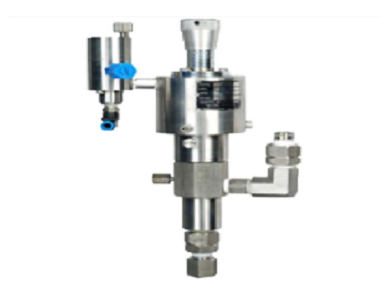
An Industrial Metering Pump is designed to deliver precise quantities of liquid at a controlled flow rate and discharge pressure. Unlike conventional transfer pumps, metering pumps are used where accurate and repeatable dosing is essential.
However, selecting a metering pump for continuous industrial operations requires careful evaluation of several technical factors. The pump must operate reliably under actual process conditions while meeting the required flow capacity, pressure, chemical compatibility, and maintenance requirements.
In this guide, we will explain how to select the right metering pump for continuous industrial applications and what specifications engineers and procurement teams should evaluate before making a purchase.
What Is an Industrial Metering Pump?
An industrial metering pump is a positive displacement pump used to deliver a controlled volume of liquid into a process system.
It is commonly used for injecting chemicals into pipelines, treatment systems, storage tanks, and industrial production processes.
Metering pumps are designed to provide controlled liquid delivery, even when operating against varying discharge pressures within their specified performance limits.
Common applications include:
- Chemical injection in water treatment plants
- pH correction in wastewater treatment
- Chemical feed in boiler systems
- Corrosion inhibitor injection
- Scale inhibitor dosing
- Process chemical addition
- Pharmaceutical and manufacturing applications
Depending on the application, industrial metering pumps are available in diaphragm, hydraulic diaphragm, plunger, and solenoid-operated configurations.
Why Is the Right Metering Pump Important for Continuous Operations?
In continuous industrial operations, equipment reliability and consistent chemical delivery are essential. An incorrectly selected pump may result in inadequate dosing, process interruptions, excessive chemical consumption, or frequent maintenance.
Selecting the right pump offers several benefits:
Consistent Chemical Delivery: Helps maintain the required chemical feed rate during continuous operation.
Improved Process Stability: Supports consistent treatment and production conditions.
Reduced Chemical Wastage: Accurate dosing helps prevent unnecessary chemical consumption.
Lower Maintenance Interruptions: A suitable pump design can reduce unexpected downtime.
Better Operational Efficiency: Correct sizing helps the pump operate within its intended performance range.
Improved Process Safety: Suitable materials and protective accessories help manage chemical and pressure-related risks.
The right pump should be selected according to the actual process duty rather than maximum capacity alone.
1. Determine the Required Flow Rate and Pump Capacity
The first step in selecting an industrial metering pump is calculating the required chemical feed rate.
Pump capacity is commonly measured in litres per hour (LPH), although some applications may use millilitres per minute or litres per day.
The required capacity depends on:
- Process flow rate
- Chemical dosage
- Chemical solution concentration
- Minimum and maximum process demand
- Operating hours
A simplified formula for calculating the required solution feed rate is:
Chemical Feed Rate (LPH) = [Dosage (mg/L) × Process Flow (m³/h)] ÷ Solution Concentration (g/L)
Example of Metering Pump Capacity Calculation
Consider an industrial water treatment plant with the following requirements:
| Parameter | Value |
|---|---|
| Process flow rate | 100 m³/h |
| Required chemical dosage | 5 mg/L |
| Prepared solution concentration | 10 g/L |
Using the formula:
Chemical Feed Rate = (5 × 100) ÷ 10
Chemical Feed Rate = 50 LPH
Therefore, the application requires a chemical solution feed rate of 50 litres per hour.
The selected metering pump must be capable of delivering this flow at the required discharge pressure. Its minimum and maximum operating ranges should also be checked.
Note: This calculation assumes dosage is expressed as active chemical and solution concentration is expressed as grams of active chemical per litre.
2. Evaluate the Required Discharge Pressure
Flow capacity alone is not sufficient when selecting a metering pump. The pump must also generate enough pressure to inject the chemical into the process pipeline or equipment.
Discharge pressure selection should consider:
- Main process pipeline pressure
- Static head difference
- Friction losses in suction and discharge piping
- Pressure losses through valves and fittings
- Injection valve requirements
- Operating and maximum system pressure
For example, a pump may have a nominal capacity of 50 LPH, but its actual delivery may differ when operating against higher discharge pressure.
Always check the manufacturer's performance curve or rated flow data to confirm that the pump can deliver the required capacity at the specified pressure.
3. Select the Appropriate Metering Pump Type
Different industrial applications require different pump designs. Selecting the correct type is important for continuous operation, chemical compatibility, and maintenance planning.
A. Mechanical Diaphragm Metering Pump
<text weight="medium">How it works:</text> A flexible diaphragm moves back and forth to displace liquid inside the pump head.
Advantages:
Separates the pumped chemical from the mechanical drive mechanism.
Suitable for many chemical dosing applications.
Available in different flow and pressure configurations.
Supports controlled chemical delivery.
Common applications:
Water treatment
Wastewater treatment
Cooling water systems
Industrial chemical dosing
B. Hydraulic Diaphragm Metering Pump
<text weight="medium">How it works:</text> Hydraulic fluid transfers the mechanical drive movement to the diaphragm.
Advantages:
Suitable for demanding metering applications.
Provides process-fluid isolation through the diaphragm.
Available in designs for higher-pressure duties.
Can be considered where chemical containment is important.
Common applications:
Chemical processing
High-pressure chemical injection
Industrial process systems
C. Plunger Metering Pump
<text weight="medium">How it works:</text> A reciprocating plunger directly displaces liquid through the pumping chamber.
Advantages:
Suitable designs can handle high discharge pressures.
Provides controlled positive displacement.
Used in demanding industrial metering applications.
Common applications:
Oil and gas
Chemical processing
High-pressure injection systems
The sealing arrangement and compatibility of the pumped fluid must be considered during selection.
D. Solenoid-Operated Metering Pump
<text weight="medium">How it works:</text> An electromagnetic mechanism actuates a diaphragm to deliver controlled quantities of liquid.
Advantages:
- Compact construction.
- Electronic dosing control options.
- Suitable for many lower-capacity applications.
Common applications:
- Small water treatment systems
- Laboratory applications
- Automated chemical dosing units
4. Check Chemical Compatibility and Material Selection
Chemical compatibility is one of the most important considerations when selecting an industrial metering pump.
The pump's wetted components must be compatible with the chemical being handled.
Important chemical properties include:
- Chemical concentration
- Corrosiveness
- Viscosity
- Density
- Operating temperature
- Presence of suspended particles
Common material options include stainless steel grades, PVC, PP, PVDF, PTFE, and suitable elastomers.
The correct material depends on the exact chemical, concentration, temperature, and operating conditions.
Incorrect material selection may cause corrosion, swelling, leakage, or premature component failure.
Always verify material compatibility using the manufacturer's chemical compatibility information.
5. Consider Continuous Operating Requirements
A pump selected for continuous industrial service must be suitable for its intended operating duty.
Before finalising the equipment, evaluate the following:
Operating Duty
Confirm whether the pump is required to operate continuously, intermittently, or according to a batch process.
Check the manufacturer's rated operating duty and permitted operating conditions.
Temperature Conditions
Evaluate the chemical temperature and ambient installation temperature. Both can influence material compatibility and equipment performance.
Suction Conditions
Check the available suction pressure, tank position, suction lift, pipe diameter, and suction-line losses.
Poor suction conditions can lead to unstable flow, loss of prime, or reduced pump performance.
Mechanical Reliability
Review the pump's drive arrangement, bearings, diaphragm or plunger assembly, check valves, and other components that require periodic inspection.
Operating Environment
Consider dust, moisture, corrosion exposure, ventilation, and hazardous-area requirements where applicable.
6. Evaluate Dosing Accuracy and Flow Control
Continuous processes may require the chemical feed rate to change according to process demand.
For example, a water treatment plant may need to adjust chemical dosing when the incoming water flow rate changes.
Depending on the model, metering pumps may support:
- Manual stroke adjustment
- Automatic stroke control
- Motor speed adjustment
- 4–20 mA signal input
- Pulse-based dosing
- Batch dosing
- PLC integration
Before selecting a pump, define the minimum, normal, and maximum required dosing rates.
Also verify the pump's accuracy and repeatability at the expected operating pressure and flow range.
7. Consider Duty and Standby Pump Arrangements
In critical industrial processes, a single pump may not provide sufficient operational backup.
A duty/standby configuration can help maintain chemical dosing when the operating pump requires inspection or maintenance.
Common arrangements include:
- One duty pump
- One duty and one standby pump
- Two operating pumps with one standby
- Multiple pumps for separate injection points
The configuration should be selected according to process criticality, required availability, and maintenance strategy.
For standby arrangements, consider periodic changeover, automatic fault indication, isolation provisions, and suitable control logic.
8. Review Instrumentation and Protective Accessories
A metering pump should be integrated with suitable instrumentation and protective accessories to support safe and reliable operation.
Common accessories include:
| Component | Purpose |
|---|---|
| Pressure gauge | Displays discharge pressure |
| Pressure relief valve | Protects against excessive discharge pressure |
| Back-pressure valve | Helps maintain suitable discharge-side pressure |
| Pulsation dampener | Reduces discharge flow fluctuations |
| Calibration column | Verifies actual pump delivery |
| Suction strainer | Helps prevent particles entering the pump |
| Injection valve | Provides a suitable chemical injection connection |
| Level switch | Monitors chemical tank level |
| Flow meter | Measures chemical delivery where required |
The final accessory arrangement depends on the pump design, chemical properties, and system layout.
For positive displacement pumps, appropriate overpressure protection is especially important. Relief discharge must be routed to a safe and suitable location.
9. Check Maintenance and Spare Parts Availability
Continuous industrial operation requires planned maintenance to minimise unexpected downtime.
Before purchasing a metering pump, review the availability and replacement requirements of components such as:
- Diaphragms
- Plunger packing and seals
- Suction and discharge valves
- O-rings and gaskets
- Bearings
- Gearbox components
- Motors and drive accessories
Also evaluate the manufacturer's maintenance instructions, service support, spare-parts lead time, and warranty conditions.
A clear preventive maintenance schedule helps maintain pump performance and reduce unexpected operational interruptions.
Technical Specifications to Check Before Purchasing an Industrial Metering Pump
Prepare the following information before requesting a quotation from a pump manufacturer.
| Technical Parameter | Information Required |
|---|---|
| Pump type | Mechanical diaphragm, hydraulic diaphragm, plunger, or solenoid |
| Flow capacity | Minimum, normal, and maximum LPH |
| Discharge pressure | Normal and maximum operating pressure |
| Chemical details | Chemical name and concentration |
| Fluid properties | Viscosity, density, and temperature |
| Wetted materials | Pump head, valves, diaphragm, plunger, and seals |
| Operating duty | Continuous or intermittent |
| Motor details | Power, voltage, frequency, and protection |
| Control method | Manual, automatic, pulse, 4–20 mA, or PLC |
| Installation | Indoor, outdoor, or hazardous area |
| Accessories | Relief valve, dampener, calibration column, and instruments |
| Maintenance | Spare-parts availability and service requirements |
Providing complete information helps the manufacturer recommend a pump suitable for the actual operating conditions.
Common Mistakes to Avoid When Selecting a Metering Pump
Some selection mistakes can affect performance, chemical consumption, and equipment life.
Selecting Only by Maximum LPH: The pump must deliver the required flow at the actual discharge pressure.
Ignoring Chemical Properties: Incompatible wetted materials can lead to corrosion or component failure.
Overlooking Suction Conditions: Poor suction arrangements may affect consistent chemical delivery.
Ignoring Continuous Duty Requirements: Verify the manufacturer's rated duty and operating limits.
Choosing an Oversized Pump: Excessive capacity may make accurate low-flow adjustment difficult.
Ignoring Maintenance Requirements: Replacement components and service support should be considered before purchase.
Skipping Performance Verification: Check the pump's technical datasheet and performance information before final approval.
Industrial Applications of Metering Pumps
Industrial metering pumps are used in several sectors where accurate chemical injection is necessary.
1. Water Treatment Industry
Used for dosing disinfectants, coagulants, pH correction chemicals, and other treatment chemicals.
2. Wastewater Treatment Industry
Used for chemical injection during coagulation, flocculation, pH adjustment, and sludge treatment.
3. Chemical Processing Industry
Used for controlled chemical addition during manufacturing and processing operations.
4. Oil and Gas Industry
Used for injecting corrosion inhibitors, scale inhibitors, and other process chemicals.
5. Power Generation Industry
Used in boiler water treatment, cooling water treatment, and other utility systems.
6. Pharmaceutical Industry
Used in suitable process applications requiring controlled liquid delivery and chemical metering.
Conclusion
Selecting the right Industrial Metering Pump for continuous operations requires a complete understanding of process conditions, chemical properties, required flow capacity, discharge pressure, and maintenance requirements.
A properly selected pump helps maintain accurate chemical injection, support process stability, reduce chemical wastage, and minimise unnecessary operational interruptions.
Before finalising a metering pump, evaluate its flow-pressure performance, material compatibility, operating duty, control options, protective accessories, and spare-parts availability.
The best pump is not necessarily the one with the highest capacity or pressure rating. It is the one that consistently meets the actual process requirements while operating safely and reliably within the manufacturer's specified limits.
Frequently Asked Questions (FAQs)
1. What is an industrial metering pump used for?
An industrial metering pump is used to deliver controlled quantities of liquid or chemicals into industrial processes. Common applications include water treatment, wastewater treatment, chemical processing, and oil and gas operations.
2. How do I select the correct capacity for an industrial metering pump?
Calculate the required chemical feed rate using the process flow rate, chemical dosage, and solution concentration. Then verify that the pump can deliver the calculated flow at the required discharge pressure.
3. Which metering pump is suitable for continuous industrial operation?
Mechanical diaphragm, hydraulic diaphragm, and plunger metering pumps can be used for continuous industrial applications when correctly selected for the required flow, pressure, chemical properties, and operating duty.
4. What factors affect metering pump performance?
Important factors include discharge pressure, chemical viscosity, suction conditions, chemical temperature, material compatibility, pump settings, and operating conditions.
5. Why is a duty/standby arrangement used in industrial dosing systems?
A duty/standby arrangement provides backup equipment when the primary pump requires maintenance or experiences a fault. It can help maintain chemical dosing in critical applications.
6. What is the purpose of a calibration column?
A calibration column helps verify the actual delivery rate of a dosing pump by measuring the volume delivered over a known period.
7. How often should an industrial metering pump be maintained?
Maintenance frequency depends on pump design, operating hours, chemical properties, and manufacturer recommendations. Regular inspection of diaphragms, valves, seals, and other wear components is important for reliable operation.