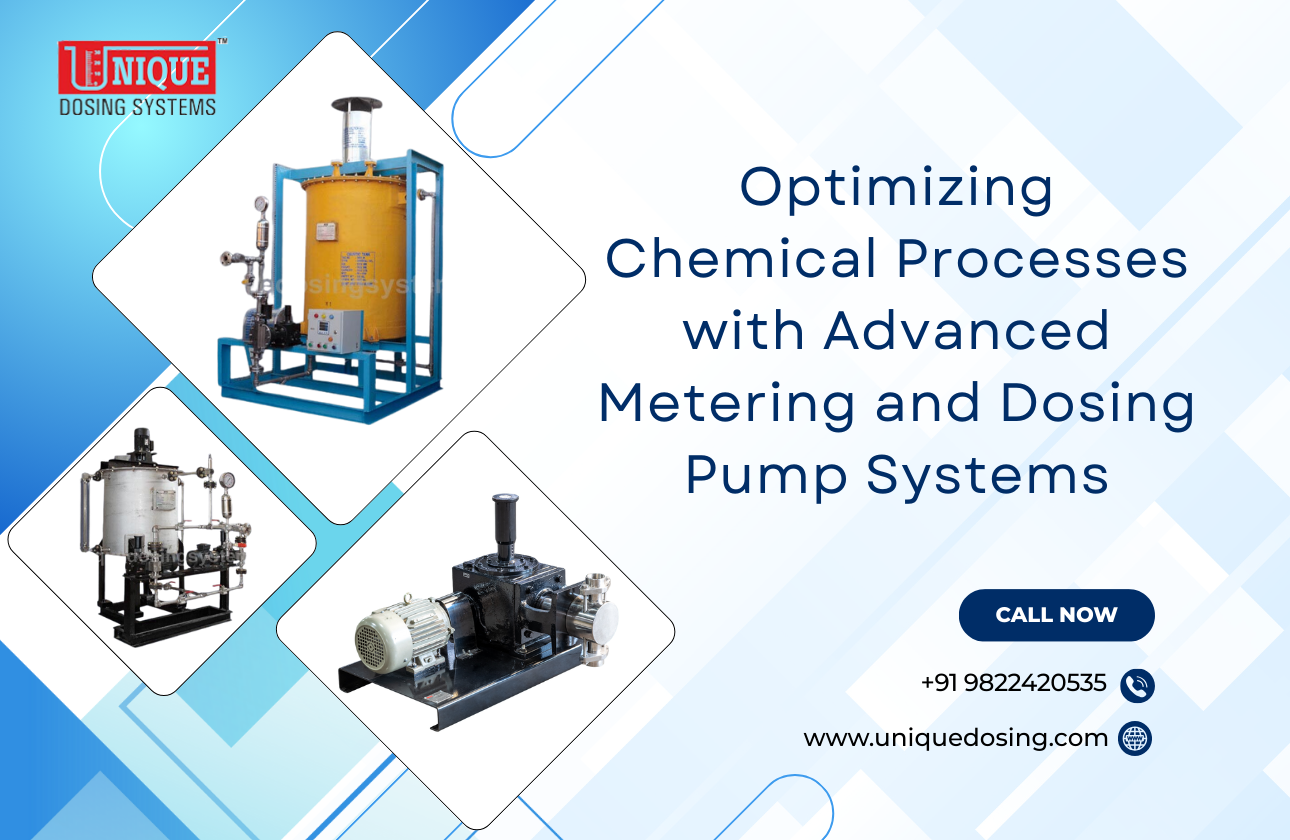
Optimizing Chemical Processes with Advanced Metering and Dosing Pump Systems
In today's fast-paced industrial world, precision and efficiency are paramount, especially when it comes to chemical processing. Leveraging advanced technologies such as metering pumps, dosing pump, and integrated dosing systems can significantly enhance process accuracy and operational efficiency. These components are crucial for maintaining the correct chemical balance in various industrial applications, from water treatment to pharmaceuticals.
Understanding Metering Pumps
A metering pump is designed to move a precise volume of liquid within a specified time frame, thereby ensuring accurate and repeatable dispensing. This precision is essential in industries where even slight deviations can lead to product quality issues or safety hazards. Equipped with control mechanisms such as stroke length adjustment and frequency control, metering pumps provide the flexibility needed to adapt to changes in process conditions.
The Role of Dosing Pumps in Industrial Applications
Dosing pump function similarly to metering pumps, but their primary role is to deliver precise amounts of a chemical or substance into a process stream. They are widely used in water treatment, food and beverage manufacturing, and pharmaceutical production. Dosing pumps ensure that the correct chemical dose is added effectively, optimizing reactions and maintaining quality.
Integrating Dosing Systems
Dosing systems incorporate both metering pump alongside sophisticated control units to automate chemical dosing processes. These systems are equipped with sensors and feedback loops that monitor parameters such as flow rate, pressure, and chemical concentration. This integration allows industries to achieve higher levels of accuracy and consistency, thus reducing waste and improving overall process efficiency.
Key Benefits
Implementing metering pump, dosing pumps, and dosing systems provides numerous advantages:
- Enhanced Accuracy: Precise control over flow rates ensures that the correct amount of chemicals is delivered, minimizing errors and inconsistencies.
- Improved Safety: Automated systems reduce human intervention, decreasing the risk of manual handling errors and exposure to hazardous substances.
- Cost Efficiency: By optimizing chemical usage, these systems help in reducing raw material costs and minimizing waste.
- Environmental Impact: With precisely controlled dosing, the environmental footprint of industrial processes is significantly reduced through minimized chemical discharge.
Technological Innovations
Recent advancements in technology have further elevated the capabilities of metering and dosing system. Smart pumps now incorporate IoT and AI technologies, enabling real-time monitoring and predictive maintenance. This not only enhances operational efficiency but also extends the lifespan of equipment by predicting failures before they occur.
Conclusion
As industries continue to strive for better efficiency and precision, the role of metering and dosing system becomes even more critical. By investing in these advanced systems, businesses can not only ensure the integrity and quality of their processes but also significantly reduce operational costs and environmental impact. Harnessing the power of metering and dosing pump technologies is undoubtedly a step towards more sustainable and efficient industrial operations.
Published on January 5, 2026 by Admin