
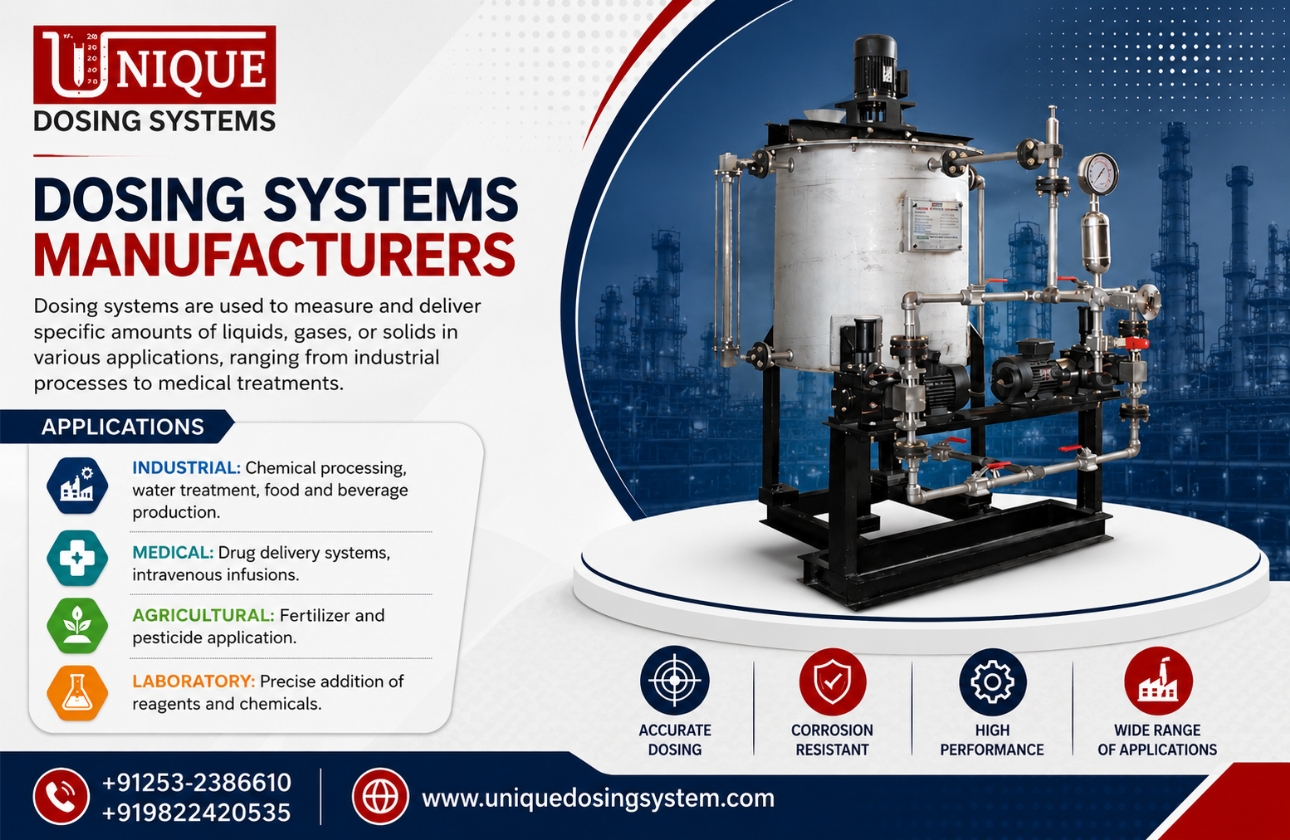
Introduction to Dosing Pumps
Dosing pumps are a key player in many industries, including water treatment, food processing, and chemical distribution. They're engineered to disperse precise amounts of fluids into a system at specific times. This capability ensures that the chemical balance and composition in a system are adequately maintained, enhancing system efficiency and product quality. The core function of a dosing pump is simple, yet it's a sophisticated piece of equipment designed to operate seamlessly. They work based on a pump mechanism driven by an electric motor or air actuator. Unlike regular pumps, dosing pumps focus on precision and accuracy rather than simply moving fluid from one place to another.
How Dosing Pumps Work
At the heart of a dosing pump is its capacity to manage accuracy and consistency. These pumps are often used in conjunction with electronic controlling systems to help regulate flow rates and volumes. The pump's operation typically involves drawing in fluid - from a tank or other storage source - into a chamber and then dispensing it at a required flow rate. This is facilitated by a series of check valves that prevent backflow and ensure that the fluid flows in the correct direction. Precision is achieved through fine-tuning of the pump settings, which can be adjusted depending on the needs of the specific application.
Benefits of Using Dosing Pumps
The primary advantage of dosing pumps lies in their precision. They can reliably measure out exact volumes, minimizing the potential for human error and resource wastage. For sectors like pharmaceuticals and food where exact ingredients or chemical concentrations are crucial, this precision is invaluable. Additionally, dosing pumps' automated nature means they can operate continuously without requiring constant supervision. This leads to significant savings in labor costs and increased efficiency, especially in large-scale operations. Moreover, the consistency they provide helps prevent issues related to over or underdosing, which can lead to significant quality and safety concerns in sensitive applications.
Types of Dosing Pumps
There are several types of dosing pumps, each having unique features tailored for particular needs. The most common types include diaphragm pumps, peristaltic pumps, and piston pumps. Diaphragm pumps are known for their hermetic seal, which prevents leaks and makes them ideal for transferring volatile chemicals. Peristaltic pumps, on the other hand, are excellent for handling slurries or fluids with high viscosity, as their operation relies on compressing a flexible tube to move the liquid. Lastly, piston pumps are recognized for their capability to handle high pressure, making them suitable for industrial tasks that require greater force. Choosing the right one often depends on the fluid's nature and the specific application requirements.
Applications of Dosing Pumps
Dosing pumps have a wide range of applications that are essential for various industrial processes. In water treatment facilities, these pumps play a critical role in adding chemicals for purification and disinfection. They ensure that the balance of chemicals is kept in check, contributing to safe drinking water. In the agricultural sector, dosing pumps distribute fertilizers and pesticides, aiding in crop management and health. The pharmaceutical industry also leverages these pumps to dispense precise doses of substances, critical for research and medication manufacturing. Additionally, in the food industry, they help maintain product consistency by adding nutrients and additives at specific stages during production.
To learn more about dosing systems and their significance, you can check out this comprehensive exploration of dosing systems. Further applications in meter industries are discussed here, providing a clear insight into where dosing pumps can be essential.
Choosing the Right Dosing Pump
Selecting the appropriate dosing pump for a specific application requires careful consideration of several factors. The chemical properties of the fluid being pumped are crucial since corrosive or abrasive substances can damage incompatible pump materials. Flow rate and pressure requirements also guide pump selection; a mismatch in capacity can lead to poor performance or equipment damage. Another important aspect is the specific application's operational environment, including temperature, which can affect pump materials and performance. Understanding the specific needs and characteristics of the application ensures that the right dosing pump is chosen, leading to optimal performance and longevity.
For more insights on choosing the right equipment, refer to this comprehensive guide to dosing pumps. This resource provides detailed criteria for selecting the perfect pump tailored to diverse industrial needs.
Maintenance and Troubleshooting of Dosing Pumps
Maintaining dosing pumps is essential to ensure their longevity and optimal operation. Regular inspections of the pump’s components, especially the valves and seals, are crucial to prevent leaks and ensure the precision of the dosing process. It is also important to check the pump calibration periodically as this helps to maintain the desired accuracy in dosing. Troubleshooting may involve identifying unusual noises, erratic flow rates, or unforeseen leaks. Such issues often stem from wear and tear, misalignment, or chemical incompatibility within the pump system. Regular maintenance helps in early detection and remedy of potential issues, thus reducing downtime and repair costs.
Environmental Impact of Dosing Pumps
Dosing pumps can have a significant positive impact on the environment by aiding in precise chemical dosing, which minimizes waste. Less waste means fewer harmful by-products end up in landfills or waterways, thereby reducing environmental pollution. Moreover, by using dosing pumps in combination with eco-friendly chemicals, industries can promote sustainability and adhere to environmental regulations. However, it is essential to ensure that old or malfunctioning pumps are disposed of properly to avoid potential environmental hazards. Implementing proper waste management and recycling practices as part of the maintenance program can further amplify their environmental benefits.
Frequently Asked Questions
1. What is the lifespan of a dosing pump?
Answer: The lifespan of a dosing pump can vary depending on the application, maintenance, and the materials it's used to handle. Generally, with regular maintenance, a dosing pump can last 5 to 10 years.
2. Can dosing pumps handle all types of fluids?
Answer: Dosing pumps can handle various fluids, including corrosive and abrasive ones, but it's crucial to select pumps with materials compatible with the specific fluid properties for extended usage and safety.
3. Why is precision important in dosing pumps?
Answer: Precision in dosing pumps is critical as it ensures that the correct amount of fluid is added to processes, which is essential for consistent product quality and safe chemical management.
4. How do you maintain a dosing pump?
Answer: Maintenance includes regular inspection of the pump’s components, checking valves and seals for leakage, and ensuring proper calibration to keep operations smooth and avoid breakdowns.
5. Where can I learn more about dosing pumps?
Answer: For further reading, consider exploring this simple guide on dosing systems, which offers comprehensive insights into the various aspects of dosing pump technology.