
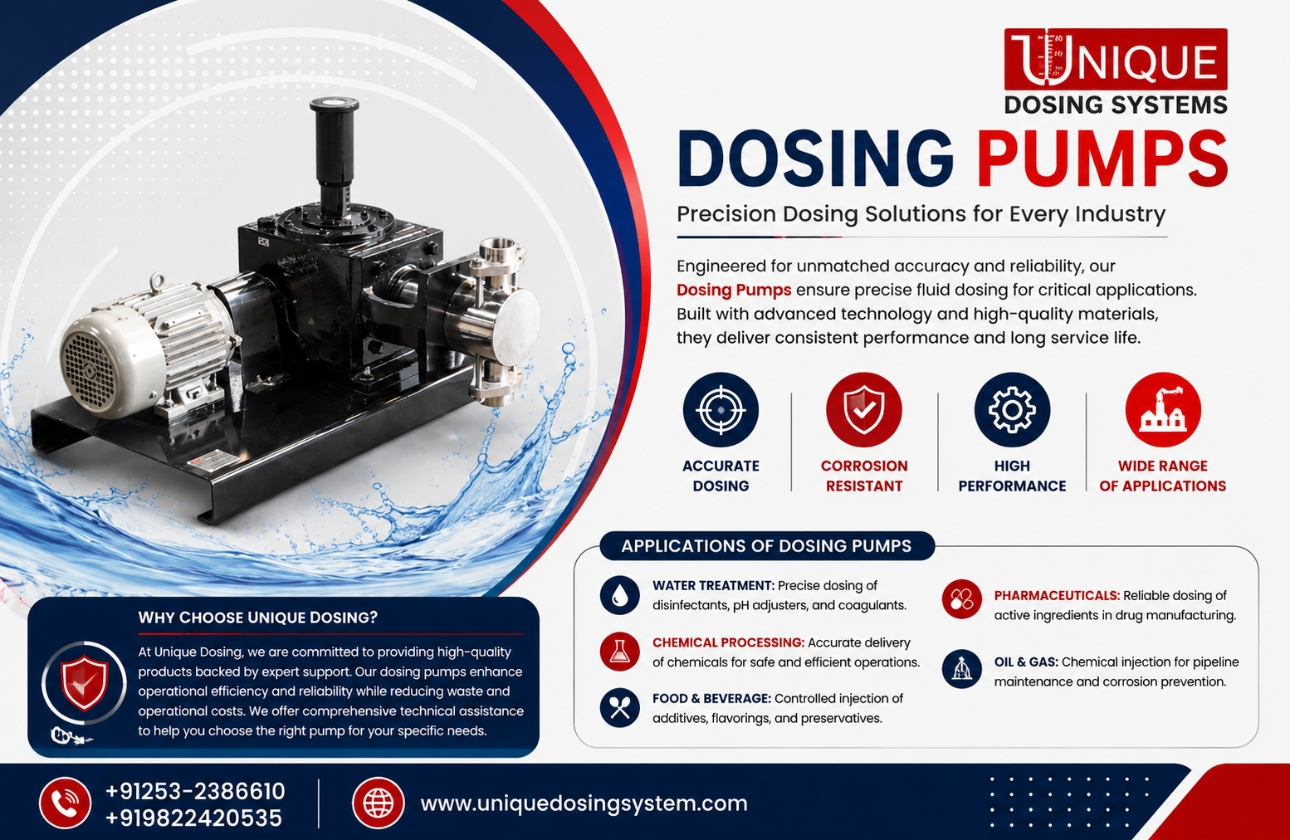
What Are Dosing Pumps?
Dosing pumps, also known as chemical metering pumps, are a type of pump used to inject a precise amount of a chemical or substance into a process stream. They are key tools in fluid management systems, ensuring that accurate quantities of chemicals are delivered to achieve the desired results. The amount of chemical delivered is adjustable, which is critical for operations requiring precision. Commonly used in water treatment, manufacturing, and food industries, these pumps play an essential role in maintaining quality and efficiency across various sectors.
How Do Dosing Pumps Work?
A dosing pump operates by drawing liquid into a chamber and then injecting it into a discharge stream. This is typically controlled by a motor which allows for precise control over the volume delivered. Modern dosing pumps are equipped with control units that enable operators to adjust the flow rate and volume. It's this precision that makes dosing pumps invaluable in settings where exact chemical mixes are required. These pumps can be programmed to respond to input from sensors, offering higher levels of automation and reduced manual intervention.
Key Applications of Dosing Pumps
Dosing pumps are versatile tools found in numerous industries. They are particularly vital in water treatment facilities where they introduce chemicals for purifying drinking water or treating wastewater. In the agricultural sector, dosing pumps are used to apply fertilizers and pesticides with precision. Chemical manufacturing also heavily relies on these pumps to ensure the correct proportions in mixtures. This versatility ensures that they remain an integral part of various production and treatment processes, enhancing efficiency and effectiveness.
Advantages of Using Dosing Pumps
The primary benefit of using dosing pumps is their accuracy, which minimizes waste and ensures product quality. They are designed for easy integration into existing systems, which makes them incredibly user-friendly. The ability to automate dosing reduces human error and labor costs. Moreover, their ability to handle corrosive and viscous fluids extends their utility in demanding applications. This adaptability makes dosing pumps not just an investment in efficiency but also in sustainability due to minimized chemical waste.
Different Types of Dosing Pumps
There are various types of dosing pumps, each designed for different tasks. Diaphragm dosing pumps are most common due to their ability to handle corrosive chemicals safely. Piston dosing pumps provide precise delivery for high-pressure applications. Peristaltic pumps, on the other hand, are ideal for handling abrasive slurries and viscous fluids. Each type of pump comes with its set of features and functions, tailored to meet the specific needs of an application. Selecting the right type of pump is crucial for optimal operation and efficiency.
Choosing the Right Dosing Pump
Selecting the right dosing pump involves considering several factors, such as the type of chemical being processed, the required flow rate, and the pressure conditions. The material compatibility of the pump components with the chemical is critical to prevent damage and ensure safety. It's also essential to account for factors such as ease of maintenance, cost, and manufacturer support. For detailed guidance, check out this comprehensive guide on choosing the best dosing pumps.
Installation and Maintenance of Dosing Pumps
Proper installation and regular maintenance are vital for the longevity and performance of dosing pumps. Installation should always follow the manufacturer's guidelines to avoid common pitfalls such as leaks or pump failure. Regular maintenance, including cleaning and parts inspection, ensures that the pump operates efficiently and safely. Many manufacturers provide detailed maintenance schedules to ensure consistency and reliability in dosing applications. For tips on installation and upkeep, refer to this practical guide.
Frequently Encountered Challenges
Despite their efficiency, dosing pumps can present challenges such as clogging, inconsistent dosing rates, and wear and tear. Clogging can occur when particulate matter is present in the liquid being pumped, which can lead to failures or inaccurate dosing. Regular monitoring and using appropriate filters can mitigate these issues. Inconsistent dosing rates are often a result of improper calibration or system malfunctions, which underscores the importance of regular maintenance and inspection. Understanding these challenges aids users in better managing the reliability of dosing pumps.
Future Trends in Dosing Pump Technology
The dosing pump industry is embracing technological advancements to enhance precision and efficiency. Recent trends include the integration of IoT for real-time monitoring and control, which enhances the accuracy and ease of managing these systems. Self-diagnostic features and remote control capabilities enable proactive maintenance and minimize downtime. As technology evolves, dosing pumps will become smarter, reducing resource wastage and operator intervention. To delve deeper into innovative trends, explore our comprehensive exploration of dosing systems.
Frequently Asked Questions
1. What are dosing pumps used for?
Answer: Dosing pumps are used primarily for delivering precise amounts of fluids or chemicals into a system. They are critical in industries like water treatment, agriculture, and manufacturing where small, accurate doses are necessary for processes such as sterilization, fertilization, and chemical processing.
2. How do I select the correct dosing pump for my needs?
Answer: Selecting the right pump involves considering factors like the chemical properties being handled, required flow rate and pressure, and the compatibility of the pump materials with the substance being dosed. Consulting a detailed guide can be beneficial.
3. Are dosing pumps easy to maintain?
Answer: Yes, dosing pumps are generally easy to maintain with regular cleaning and inspection of parts. Adhering to the maintenance schedule provided by manufacturers can help in preventing issues such as clogging and wear.
4. Can dosing pumps be used for high-pressure applications?
Answer: Yes, specific types like piston dosing pumps are designed to handle high-pressure applications. Ensure that the pump selected is suitable for the required pressure conditions to prevent malfunction.
5. What is the future of dosing pump technology?
Answer: The future of dosing pump technology is geared towards increased automation with IoT integration for real-time monitoring and enhanced control. These developments aim to improve precision and efficiency while reducing manual intervention.