
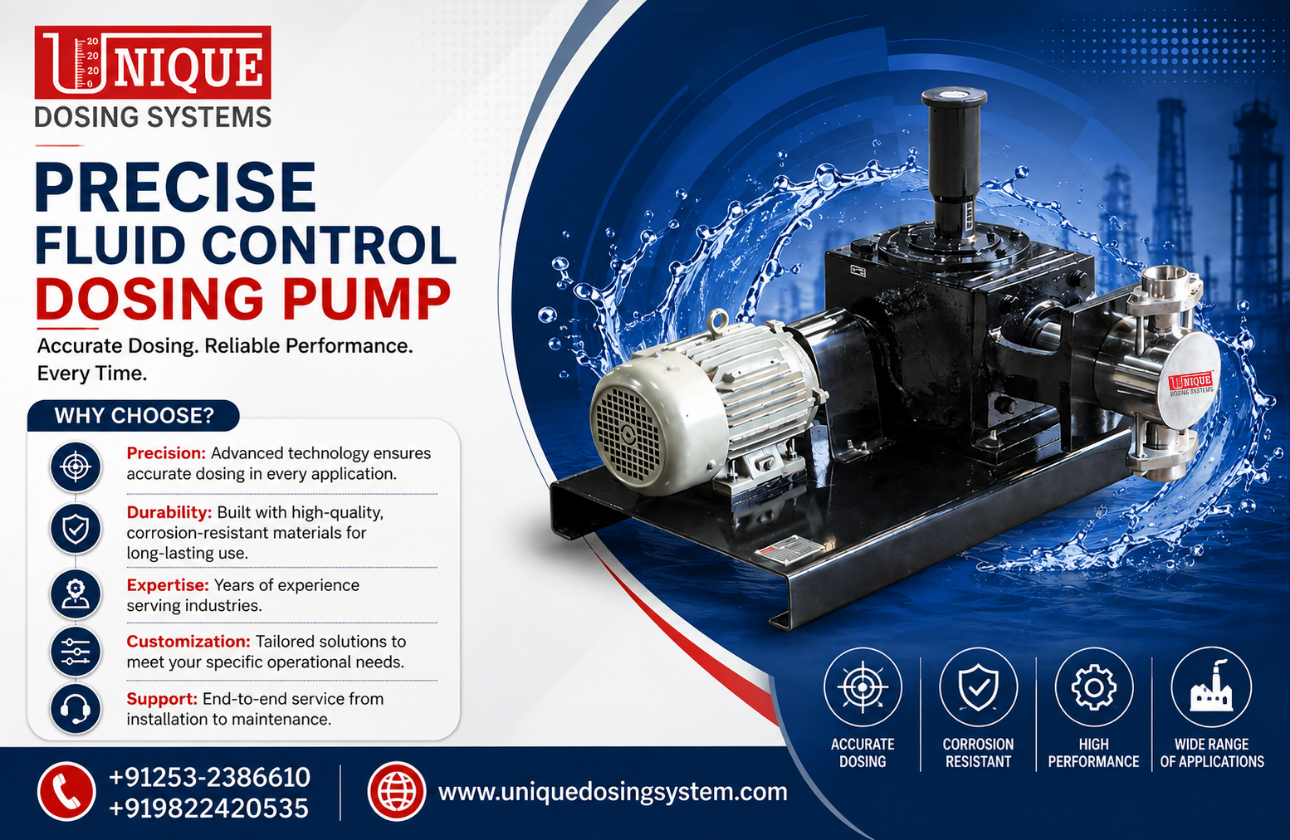
What is a Dosing Pump?
Dosing pumps are essential tools used across a variety of industries to manage fluid delivery precisely. At its core, a dosing pump is a small pump designed to inject a chemical or substance into a flow of water, gas, or steam. These pumps are known for delivering accurate amounts of fluid to achieve a particular purpose, such as treating water or adding nutrients to agricultural setups. Their ability to deliver chemicals consistently makes them invaluable in sectors like water treatment, agriculture, pharmaceuticals, and more. Unlike regular pumps that move fluids haphazardly, dosing pumps focus on precision and control, ensuring that exactly the right amount of chemical is introduced to maintain safety and effectiveness.
How Do Dosing Pumps Work?
The functionality of a dosing pump revolves around its ability to mete out fluids with great precision. Typically, these pumps have a control system that decides the amount and rate at which a chemical is injected. They often come equipped with a set timer or can be manually controlled to adjust the amount of the substance being dosed. Many modern dosing pumps are equipped with advanced technologies that allow them to adjust the flow based on real-time conditions or feedback from monitoring systems. This understanding of how dosing pumps operate is crucial for anyone planning to use them in their industry, as it influences both the setup and maintenance of the pumps.
Types of Dosing Pumps
There are several varieties of dosing pumps, each designed to cater to specific needs and environments. The main types include diaphragm pumps, peristaltic pumps, and piston pumps. Each type has its own mechanisms and advantages. For instance, diaphragm pumps are known for their high accuracy levels, which are essential in industries where even a slight dosing error can have significant consequences. Peristaltic pumps, on the other hand, are prized for their ability to handle a wide range of fluid viscosities due to their flexible, rolling mechanism. Then there are piston pumps that work well with high-pressure applications. Understanding the differences between these pump types can help in choosing the right dosing pump for your specific needs.
Applications in Water Treatment
Water treatment is one of the most significant applications of dosing pumps. They are used to treat water by introducing precise amounts of chemicals, ensuring the water is safe for consumption or meets industry standards. For instance, water treatment facilities often require the addition of chlorine in precise doses to disinfect water. Failure to do so could either result in ineffective disinfection or introduce harmful levels of chlorine. These pumps are also used for pH adjustments, flocculation, and adding nutrients. Due to their importance in water safety, understanding dosing systems and their role in water treatment is essential for industry professionals.
Role in Agriculture
In agriculture, dosing pumps play a crucial role in ensuring plants receive the nutrients they need to grow. These pumps help in delivering fertilizers, nutrients, and pesticides in precise amounts, leading to better yield and reduced wastage. By managing dosage accurately, farmers can boost productivity without harming the environment. This practice is especially prominent in hydroponics, where plants are grown in nutrient solutions rather than soil. The precision offered by dosing pumps ensures that the nutrient solutions maintain the correct balance, promoting healthy plant growth.
Uses in the Pharmaceutical Industry
The pharmaceutical industry relies heavily on dosing pumps for producing and packaging medications. Precise dosing is vital in pharmaceutical processes to guarantee the efficacy and safety of medicines. Dosing pumps help in delivering small quantities of active ingredients into mixes, ensuring that each batch meets the required specifications. This accuracy not only ensures product quality but also complies with stringent regulatory standards. The ability to control chemical addition precisely is what makes these pumps indispensable in this industry.
Choosing the Right Dosing Pump
Selecting the right dosing pump can seem overwhelming given the variety of options available. However, the choice boils down to understanding your needs and the specific application. Factors like the type of fluid being handled, the volume of fluid needed, and the pressure requirements are critical. Additionally, choosing a reliable manufacturer can greatly influence the performance and durability of the pump. Reading reviews and evaluating manufacturers can provide valuable insights into making the right decision. It's crucial to match the pump with the specific needs of your industry to ensure efficiency and effectiveness.
Maintenance and Troubleshooting
Regular maintenance is vital to keep dosing pumps running smoothly. Keeping a maintenance schedule that includes checking the pump head, seals, and ensuring there are no leaks can help in identifying potential issues early. Over time, parts may wear out, but replacing them promptly can prevent bigger breakdowns. Common issues such as inconsistent flow or clogged nozzles are often easy to fix with the right know-how and tools. Understanding how to troubleshoot these common problems can save both time and money and ensure your dosing pumps continue to operate efficiently.
Frequently Asked Questions
1. What is the main purpose of a dosing pump?
Answer: The primary purpose of a dosing pump is to deliver fluids in precise, pre-determined quantities for applications in water treatment, agriculture, and pharmaceuticals. Their precision in dosing is critical to maintaining the correct chemical balance.
2. How do I choose the right dosing pump for my industry?
Answer: When selecting a dosing pump, consider the type of fluid, volume, and pressure requirements. Research different types of pumps and manufacturers to find the one that best fits your industry needs.
3. Can dosing pumps handle all types of liquids?
Answer: Dosing pumps can handle a wide range of liquids, including acidic and alkaline solutions, though the specific type and compatibility depend on the pump model. Always check the pump specifications for compatibility.
4. What maintenance does a dosing pump require?
Answer: Regular maintenance involves checking and replacing worn-out parts, ensuring there are no leaks, and cleaning nozzles to prevent clogging. Maintaining a schedule for inspections is crucial for long-term performance.
5. Are dosing pumps used in home settings?
Answer: While dosing pumps are primarily used in industrial settings, they can also be found in home aquariums and gardening systems where precise fluid delivery is needed.