
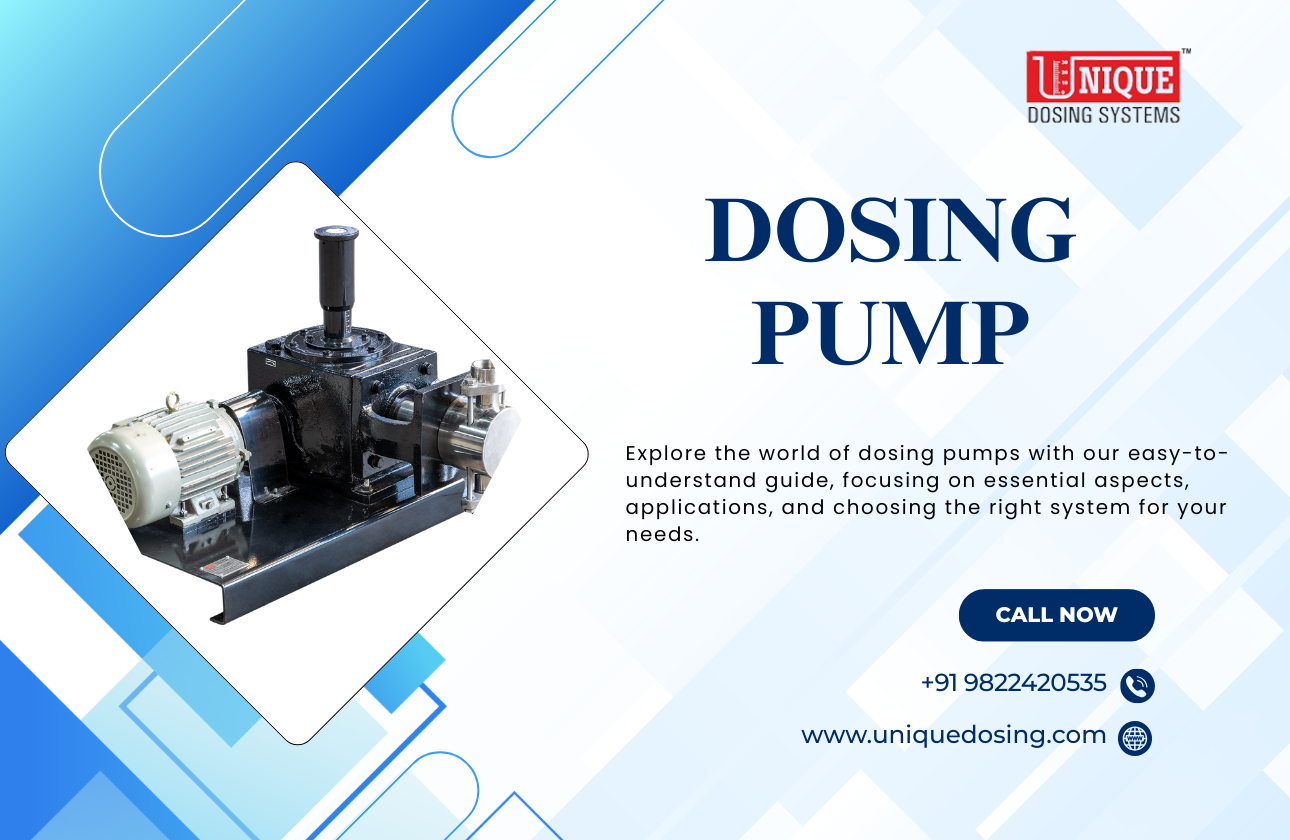
Introduction to Dosing Pumps
Dosing pumps might sound technical, but they are crucial tools in many industries. These pumps are designed to inject a precise flow of liquid into a process or system. The beauty of a dosing pump lies in its ability to deliver exact amounts of chemicals or substances as needed, which is essential for maintaining the balance or chemical composition in various systems. They are small, yet mighty machines that keep operations smooth.
How Dosing Pumps Work
A dosing pump works by drawing a predetermined amount of liquid into a chamber and then injecting it into the desired system. Most have a control system that lets operators set the dosage. Some modern pumps even allow remote monitoring and adjustments, thanks to technological advancements. The controlled dosing ensures exact chemical management, whether in water treatment facilities or during the production of food and beverages.
Types of Dosing Pumps
Dosing pumps come in various types, each designed for specific applications. The most common types include piston, diaphragm, and peristaltic pumps. Piston pumps are known for high pressure, making them ideal for labs and industrial settings. Diaphragm pumps are great for handling corrosive chemicals due to their superior sealing capabilities. On the other hand, peristaltic pumps are highly versatile, providing gentle pumping action suitable for delicate fluids.
Applications of Dosing Pumps
Dosing pumps are widely used in numerous applications across different sectors. In water treatment, they help manage pH levels and disinfect water. In agriculture, they're used to administer fertilizers. The food industry uses them for adding flavors and preservatives. Additionally, many health facilities use dosing pumps for providing specific amounts of drugs to patients. This diversity shows how integral these pumps are to many operations.
Benefits of Using Dosing Pumps
One of the biggest perks of dosing pumps is their precision. They allow for accurate control over liquid quantities, which is vital in many processes. They also help reduce waste by ensuring only the necessary amount of substance is used. This accuracy leads to cost savings in the long run. Moreover, **dosing pumps are versatile**: they can handle different types of fluids, from thick, viscous ones to thin, watery liquids. Explore more about dosing pumps here.
Choosing the Right Dosing Pump
When selecting a dosing pump, it's essential to consider the specific application's requirements. Factors like the type of liquid, the required flow rate, and the environmental conditions all play a role. It's crucial to choose a pump that matches the operational needs and offers longevity. Companies should assess these parameters carefully to ensure optimal performance of the pump. Learn more about choosing the right dosing pump here.
Maintenance and Care for Dosing Pumps
Proper maintenance can extend the life of a dosing pump significantly. Regular checks and cleaning ensure that the pumps work efficiently without any hitches. It's also essential to follow manufacturer guidelines when replacing parts or handling chemicals. Regular maintenance prevents downtime and helps maintain precise dosing, safeguarding the entire process from unexpected disruptions.
Frequently Asked Questions
1. What industries use dosing pumps?
Answer: Dosing pumps are used in industries ranging from water treatment and food processing to agriculture and healthcare. Their versatility makes them suitable for various applications requiring precise fluid control.
2. Are dosing pumps complicated to maintain?
Answer: While dosing pumps require regular maintenance, they are relatively straightforward to maintain. Following manufacturer guidelines ensures their longevity and efficient performance.
3. Can dosing pumps handle all types of fluids?
Answer: Most dosing pumps can handle a variety of fluids. It's essential to check the pump's specifications to ensure compatibility with the specific liquid used in your application.
4. How do I choose the right dosing pump for my needs?
Answer: Consider factors like the type and viscosity of the fluid, necessary flow rate, and environmental conditions. It's vital to select a pump designed for your industry's specific requirements. Find more tips here.
5. What are the benefits of using dosing pumps?
Answer: Dosing pumps offer precision, efficiency, and versatility in fluid management. They help maintain consistency, reduce waste, and are cost-effective over time.