
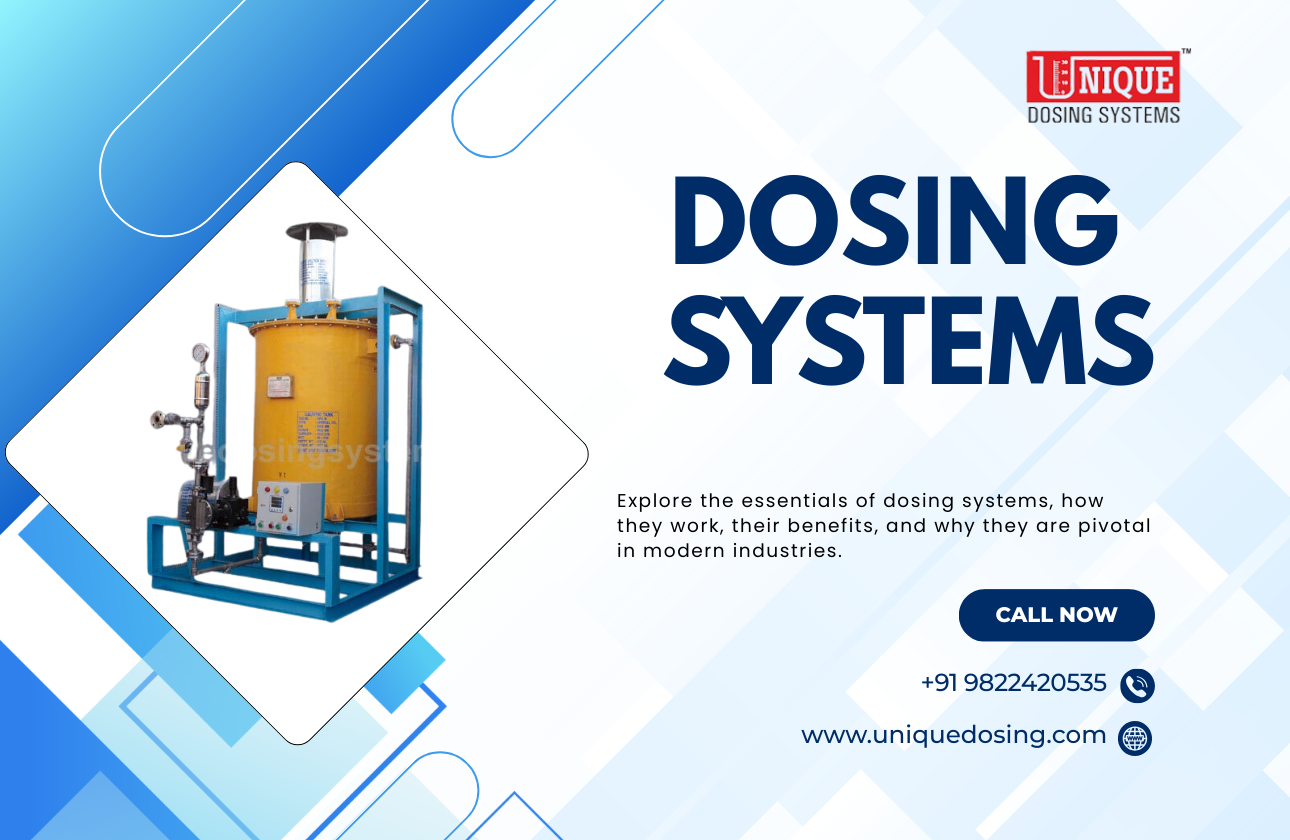
Introduction to Dosing Systems
Dosing systems are essential tools used across various industries to dispense specific amounts of liquid or chemical substances accurately. These systems ensure that the right quantity of a product is added at the right time, improving efficiency and productivity. Whether it's a small setup in a lab or a large industrial application, dosing systems make processes more reliable and consistent.
How Dosing Systems Work
Dosing systems function like a fine-tuned machine. They typically include a pump, controller, and tank that work together to deliver precise measurements of liquids. The controller adjusts how much liquid needs to be dosed, and the pump transfers the correct amount from the tank to the process. This accuracy reduces waste and ensures that the process runs smoothly without human intervention. For more details on how these systems operate, you can check out this comprehensive guide.
Types of Dosing Systems
Dosing systems are not a one-size-fits-all solution. There are different types tailored to specific needs. Some are designed for simplicity and ease of use, while others are more complex, suitable for industrial settings. The varieties include volumetric, gravimetric, and hybrid systems, each serving unique purposes. For instance, volumetric dosing is ideal for processes requiring speed, while gravimetric dosing is perfect for accuracy.
Benefits of Using Dosing Systems
The primary advantage of using dosing systems is precision, which is crucial for quality control. They also minimize waste, leading to cost savings and environmental benefits. Because these systems automate the dosing process, there's less room for human error, enhancing safety and efficiency. Whether in food production, pharmaceuticals, or water treatment, dosing systems are pivotal in maintaining consistency and reliability.
Industrial Applications of Dosing Systems
Dosing systems play an important role in different industries. In the chemical sector, they are used to add precise chemicals for reactions. In agriculture, they aid in nutrient delivery for hydroponics. The food industry uses them for flavoring and colorings, while the water treatment sector relies on them for chlorine dosing to purify water. The versatility of dosing systems is unmatched, making them integral to diverse fields.
Choosing the Right Dosing System
Selecting the correct dosing system involves understanding your specific needs and the nature of your application. Consider factors like the type of fluids being dosed, required precision, and the operating environment. You can find guidance on choosing the perfect dosing system by visiting this detailed guide.
Challenges and Considerations
While dosing systems bring many benefits, they also come with challenges. Maintenance is crucial to ensure longevity and effectiveness. Handling corrosive or viscous fluids can present difficulties that require robust, reliable systems. Additionally, understanding the software that controls these systems is vital to ensure they function correctly and efficiently.
Frequently Asked Questions
1. What is a dosing system used for?
Answer: A dosing system is used to dispense accurate amounts of liquids or chemicals in a process. It's commonly found in industries like food production, pharmaceuticals, water treatment, and chemical manufacturing.
2. How do I choose the right dosing system?
Answer: To choose the right dosing system, consider the type of liquid or chemical you need to dose, precision requirements, the environment in which the system will operate, and your budget. Consulting experts or resources like buying guides can help make a more informed decision.
3. What are the benefits of automated dosing systems?
Answer: Automated dosing systems offer precision, reduce human error, minimize waste, and enhance safety. They can significantly lower operational costs and improve consistency and reliability in any industry where dosing is required.
4. Are there different types of dosing systems?
Answer: Yes, there are various types of dosing systems, such as volumetric, gravimetric, and hybrid systems. Each type is designed for specific applications based on needs for speed, precision, and the nature of the substances being dosed.
5. What maintenance do dosing systems require?
Answer: Dosing systems require regular maintenance to ensure their efficiency and longevity. This includes checking the pumps and controllers for wear and tear, ensuring the software is updated, and verifying that all parts are clean and functioning properly.