
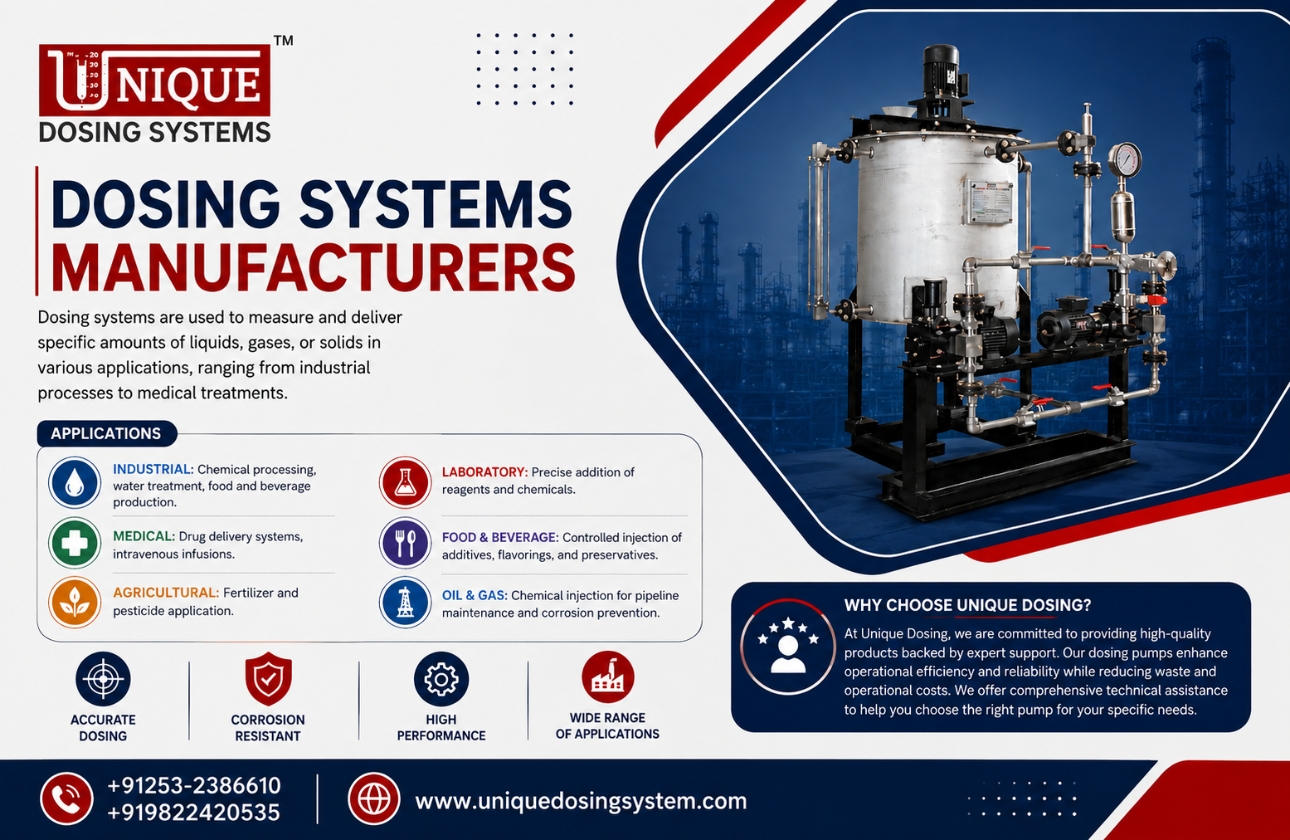
What is a Dosing System?
A dosing system is an automated setup designed to dispense chemical or fluid substances in precise, controlled amounts, typically into a process line or a container. These systems are essential in industries where exact fluid management is crucial. They ensure that specific quantities are delivered, which can be critical for maintaining product quality, safety, and compliance. Such systems may involve components like a pump, control unit, sensors, and sometimes storage tanks to facilitate the process.
Components of a Dosing System
The main components of a dosing system include the dosing pump, control panel, sensors, and storage tanks. The dosing pump is the heart of the system, ensuring the correct amount of fluid is delivered. The control panel regulates the system's functions and supervises the dosages. Sensors are employed to provide real-time data and feedback about the system's operational efficiency. Together, these components work seamlessly to achieve precision and efficiency in fluid management.
Applications Across Industries
Dosing systems play a critical role across various industries such as water treatment, food and beverage, pharmaceuticals, and chemical manufacturing. For instance, in water treatment, they ensure the accurate addition of chemicals to purify drinking water. In the food industry, they help in adding precise amounts of flavors, colors, or preservatives to ensure product consistency and safety. Similarly, in pharmaceuticals, they aid in the accurate mixing of ingredients, which is vital for drug safety and efficacy.
Benefits of Using Dosing Systems
The primary benefit of using dosing systems is the precision they offer in fluid management. This accuracy translates into improved product quality, reduced wastage, and enhanced safety. Because the systems can be automated, they also reduce the need for manual intervention, which minimizes human error. This increased efficiency leads to cost savings in the long run. By maintaining consistent product quality, dosing systems also help companies meet regulatory standards more quickly.
Different Types of Dosing Systems
Dosing systems vary based on their application, but some common types include volumetric, gravimetric, and batch dosing systems. Volumetric systems use pumps to deliver specific volumes of fluid. Gravimetric systems rely on weight-based measurements for dosing precision, often used when the fluid's density can vary. Batch systems measure and dose fluids in separate, predefined batches, appropriate for processes where different quantities are needed at different times.
Basic Maintenance Tips for Dosing Systems
Regular maintenance of dosing systems ensures their longevity and reliable performance. Key maintenance practices include regular inspection of pumps and sensors, verifying calibration, and checking for leaks or signs of wear and tear. Keeping the control systems updated and ensuring that hoses and connections are free from blockages or damage also help maintain efficiency. A proactive maintenance plan can prevent costly breakdowns and unplanned downtime.
Choosing the Right Dosing System for Your Needs
Selecting the right dosing system depends on several factors, including the type of fluid, application requirements, and the operational environment. Consulting with experts and considering products from recognized manufacturers can provide valuable insights. It's crucial to ensure that the system is compatible with the facilities' existing infrastructure and processes. Furthermore, consider looking into comprehensive guides that offer detailed comparisons and recommendations.
Importance of Accuracy in Dosing Systems
Accuracy is central to the effectiveness of all dosing systems. Ensuring precise delivery of liquids prevents overuse or underuse of resources, helps maintain safety standards, and ensures consistent product quality. Inaccuracy can cause faulty processes that may be expensive and dangerous, making accuracy a top priority. This is why many systems use feedback mechanisms such as sensors and real-time monitoring to maintain high precision levels.
Integrating Technology with Dosing Systems
The integration of advanced technology into dosing systems enhances their efficiency and reliability. Smart sensors, IoT-enabled solutions, and automated controls make operations more efficient and reduce human error. These technologies provide detailed operational insights that help in predicting maintenance needs and potential system failures before they occur, thus reducing downtime and improving return on investment.
The Future of Dosing Systems
As industries continue to evolve, dosing systems will likely see innovations geared towards enhancing precision and efficiency. Future developments may focus on integrating AI and machine learning to predict maintenance needs and optimize dosing processes tailored to specific industry requirements. The trend will likely shift towards more sustainable dosing systems, aiming to use resources efficiently while reducing environmental impact, providing industries with both economic and environmental benefits.
Frequently Asked Questions
1. What is a dosing system?
Answer: A dosing system is a controlled mechanical setup that dispenses specific amounts of fluids or chemicals into a system or container. These systems are used across industries for precision in additive applications.
2. How do I choose the right dosing system?
Answer: Choosing the right dosing system involves evaluating factors such as the type of fluid being used, application requirements, environment, and seeking advice from industry experts. Assessing current systems and exploring guides from reputable manufacturers can also help.
3. What are the maintenance needs for dosing systems?
Answer: Regular maintenance involves inspections of pumps, sensors, and connections for wear and tear or blockages, verifying calibrations, and keeping control systems updated to prevent breakdowns and ensure optimal performance.
4. Where are dosing systems used?
Answer: Dosing systems are used in water treatment, the food and beverage industry, pharmaceuticals, chemical manufacturing, and any sector requiring precise fluid management to maintain product quality and safety standards.
5. Why is accuracy important in dosing systems?
Answer: Accuracy is vital as it ensures resource efficiency and consistency in product quality, helping companies comply with safety and regulatory standards. Inaccuracies can lead to costly and dangerous operational failures.